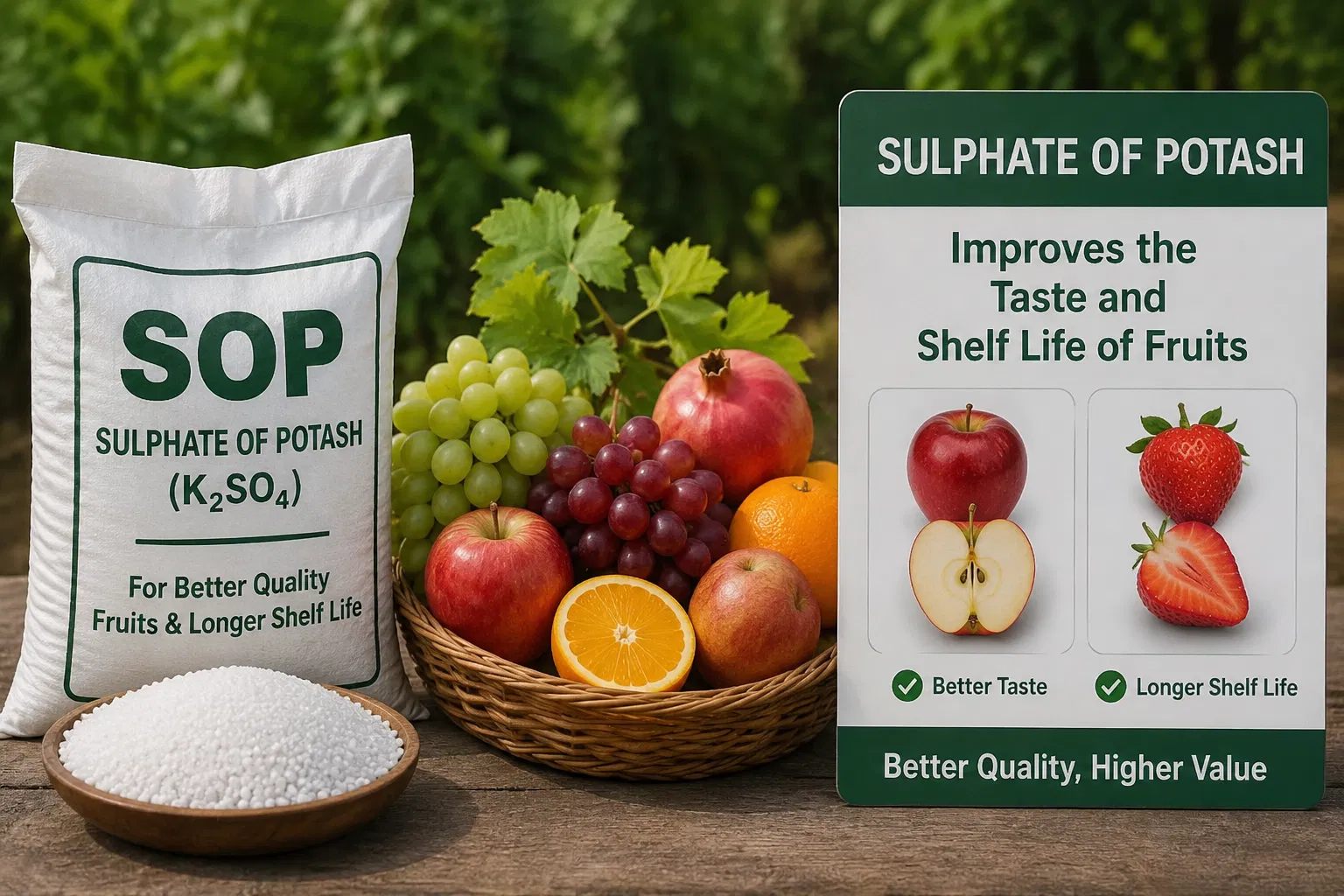
Fresh fruit is all about flavor, texture, and longevity. But once harvested, fruits begin to lose moisture, soften, and spoil quickly. That is why growers and food handlers rely on SOP, or potassium metabisulfite, to help improve fruit quality after harvest. Used correctly, SOP can support better taste, preserve appearance, and extend shelf life during storage and transport.
What Is SOP in Fruit Handling?
SOP, short for potassium metabisulfite, is commonly used in food processing and post-harvest treatment. In fruit applications, it helps slow down spoilage, reduce microbial growth, and protect the fruit’s natural freshness. It is especially useful for cut fruits, dried fruits, and fruits that need to be stored for longer periods before reaching consumers.
By helping preserve the fruit’s condition, SOP plays an important role in maintaining both quality and market value. This is one reason it is widely used in the fruit supply chain.
How SOP Improves the Taste of Fruits
Fruit taste depends on freshness, aroma, texture, and the balance of natural sugars and acids. When fruit begins to spoil, these qualities decline. SOP helps slow that process, which means the fruit keeps more of its original flavor for longer.
1. Preserves Natural Freshness
Freshness is closely tied to taste. As fruits age, enzymatic reactions and microbial activity can change their flavor. SOP helps reduce these reactions, allowing fruits to retain a clean, fresh taste.
2. Reduces Oxidation
Oxidation can dull flavor and cause browning, especially in sliced or processed fruits. SOP acts as a protective agent that slows oxidation, helping fruits maintain their appealing taste and appearance.
3. Supports Better Texture
Texture is a major part of flavor perception. Soft, mushy fruit often tastes less appealing. By slowing deterioration, SOP helps fruits stay firmer for longer, which improves the eating experience.
4. Helps Retain Aroma
Many fruits rely on aroma to enhance taste. When stored poorly, volatile compounds responsible for fragrance can be lost. SOP treatment can help preserve these compounds, keeping the fruit more flavorful and pleasant.
How SOP Extends Shelf Life
One of the biggest advantages of SOP is its ability to extend fruit shelf life. This matters for producers, distributors, retailers, and consumers alike. Longer shelf life means less waste, better transport stability, and more time for the fruit to remain marketable.
1. Slows Microbial Growth
Fruits are vulnerable to mold, yeast, and bacteria after harvest. SOP helps inhibit the growth of these microorganisms, reducing spoilage and helping fruit stay safe and usable for a longer period.
2. Delays Browning and Discoloration
Brown spots and color loss can make fruit look old even when it is still edible. SOP helps prevent discoloration, which keeps the fruit visually appealing and fresher for longer.
3. Reduces Moisture-Related Decay
In many storage conditions, moisture can speed up decay. SOP helps stabilize the fruit environment and lowers the risk of rapid deterioration during packing and transport.
4. Improves Storage and Shipping Performance
Fruits often travel long distances before reaching consumers. SOP-treated fruits are better able to withstand handling, storage, and transit conditions, making them more reliable in commercial distribution.
Why SOP Matters in the Fruit Industry
For fruit growers and food businesses, quality is everything. Customers want fruit that looks good, tastes fresh, and lasts long enough to use. SOP helps meet those expectations by protecting fruit quality from harvest to sale.
Here are some major benefits for the industry:
- Reduced food waste due to slower spoilage
- Improved product appeal through better color and texture retention
- Longer distribution windows for local and export markets
- Better customer satisfaction from fresher-tasting fruit
- Increased market value for fruits that stay attractive longer
Best Practices for Using SOP on Fruits
Although SOP is effective, it must be used properly to get the best results. Incorrect use can affect quality or create safety concerns. That is why proper handling and application are essential.
1. Follow Recommended Application Rates
Using the right concentration is important. Too little may not protect the fruit effectively, while too much can affect flavor or safety. Always follow industry guidelines and product instructions.
2. Apply at the Right Stage
SOP is most effective when used soon after harvest or during processing. Early application helps protect fruit before spoilage begins.
3. Combine with Good Storage Conditions
SOP works best alongside proper refrigeration, clean packaging, and controlled humidity. It should be part of a complete post-harvest strategy, not the only preservation method.
4. Maintain Hygiene During Handling
Clean equipment, sanitary packing areas, and careful handling all help support SOP’s effectiveness. If fruit is exposed to contamination, shelf life will still suffer.
5. Use Only Approved Food-Grade Materials
Any preservative used on fruit should meet food safety standards. Approved food-grade SOP products are essential for safe and effective use.
Types of Fruits That Benefit from SOP
SOP is especially useful for fruits that are sensitive to spoilage, browning, or moisture loss. It is commonly used in:
- Dried fruits such as raisins, apricots, and mango slices
- Cut fruits prepared for fresh packaging or food service
- Stone fruits that bruise easily
- Export fruits that need longer storage and transit times
- Processed fruit products where appearance and freshness matter
These fruits often face the greatest risk of quality loss, so SOP can make a noticeable difference in both taste and shelf stability.
Is SOP Safe for Fruit Preservation?
When used according to approved food standards, SOP can be a safe and effective preservation aid. Its purpose is to protect fruit quality while supporting shelf life and marketability. Like any food additive or treatment, it should be used responsibly and in compliance with regulations.
Consumers and businesses should always look for properly handled fruit from trusted sources. Safe application, accurate dosing, and proper labeling are all part of responsible fruit preservation.
SOP improves fruits by slowing the natural processes that cause flavor loss, browning, and spoilage, helping fruit stay fresher, tastier, and more marketable for longer.
Conclusion
SOP improves the taste and shelf life of fruits by protecting freshness, reducing oxidation, slowing microbial growth, and preserving texture and aroma. For fruit producers and handlers, it is a valuable tool for maintaining quality from harvest to sale. For consumers, it means fruit that looks better, tastes better, and lasts longer.
If you want better fruit quality and less waste, SOP should be part of a well-planned post-harvest preservation strategy. Used correctly, it delivers a clear advantage in both flavor and shelf life.