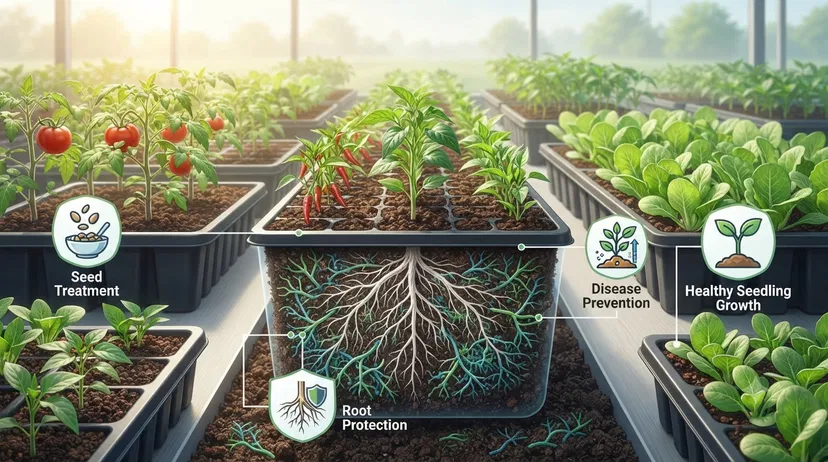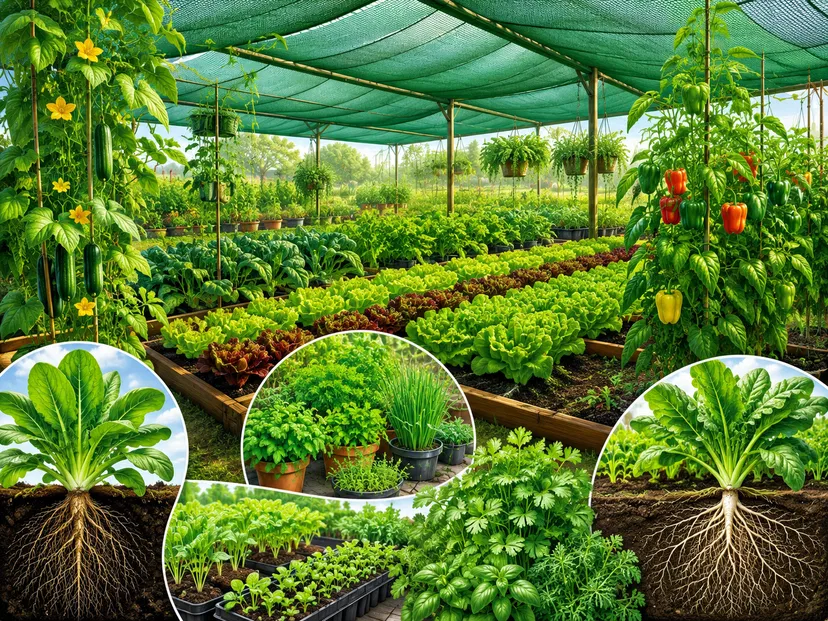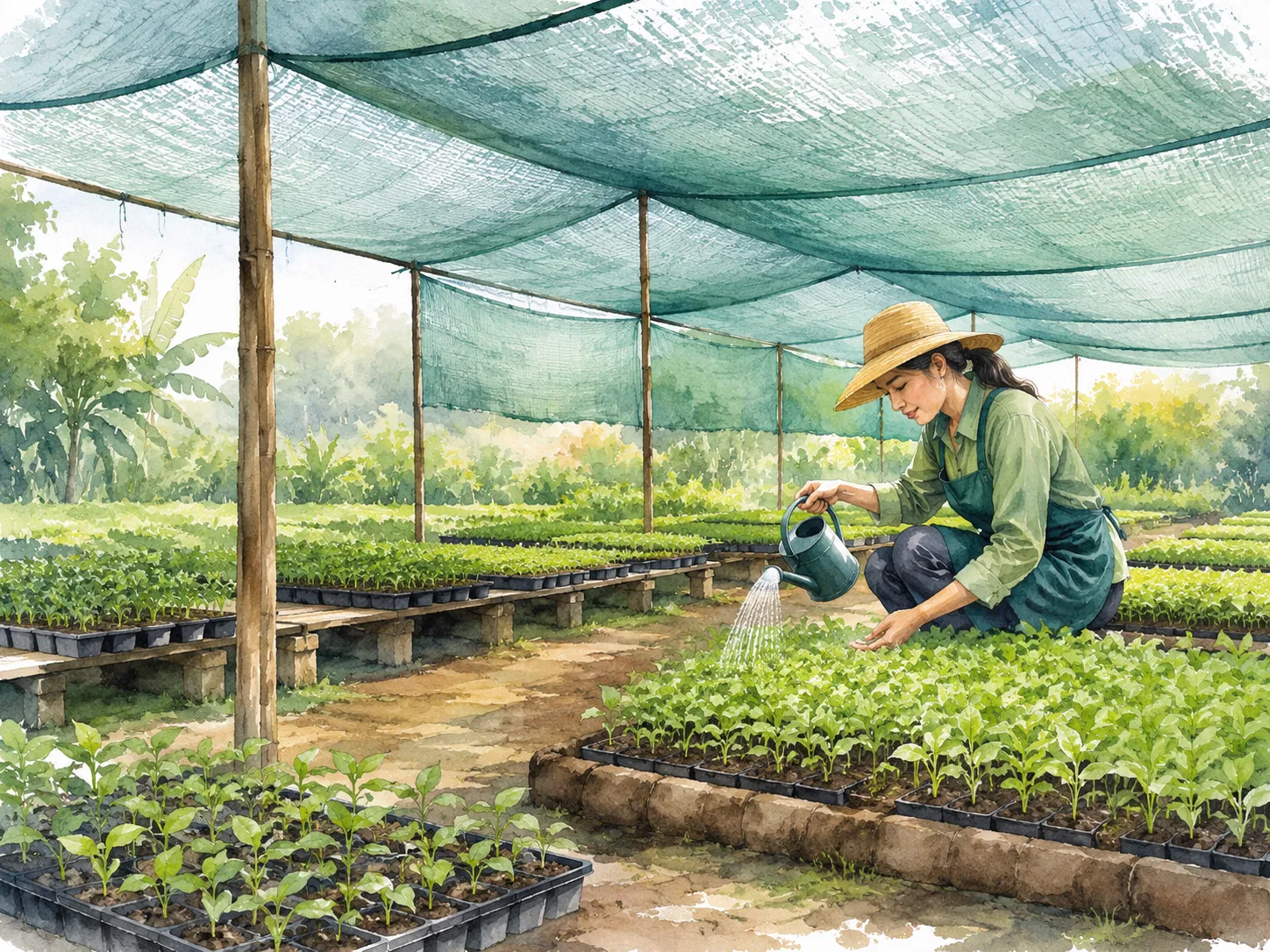
Every healthy plant starts with a strong beginning, and that beginning depends on protection. In nurseries and seedling beds, young plants are especially vulnerable to intense sunlight, heat stress, wind, pests, and sudden weather changes. One of the most effective and affordable ways to create a safe growing environment is by using shade nets for nursery and seedling protection.
Shade nets help regulate light, reduce temperature extremes, and create the ideal microclimate for delicate plants. Whether you are managing a commercial nursery, a greenhouse, or a small propagation area, the right shade net can dramatically improve germination, survival rates, and transplant success.
Why Shade Nets Matter in Nursery Management
Young seedlings have tender roots, thin stems, and limited ability to handle harsh environmental conditions. Too much direct sunlight can scorch leaves, dry out the soil, and stunt growth. Strong winds can damage fragile stems, while heavy rain can wash away seeds or compact the soil.
Shade nets for nursery and seedling protection solve these problems by filtering sunlight and softening environmental stress. They create a controlled growing space that supports healthier root development and stronger plant establishment.
“A protected nursery environment is not just about survival; it is about giving seedlings the best possible start for long-term growth.”
Key Benefits of Shade Nets for Seedlings
1. Reduce Heat Stress
During hot weather, seedlings can quickly lose moisture through transpiration. Shade nets lower direct solar radiation, helping maintain cooler temperatures around the plants. This reduces stress and supports consistent growth.
2. Prevent Leaf Scorch and Sunburn
Young leaves are sensitive to intense light. Without protection, they can develop burn marks, discoloration, or wilting. A properly selected shade net reduces harmful exposure while still allowing enough light for photosynthesis.
3. Improve Moisture Retention
By lowering evaporation from soil and seed trays, shade nets help retain moisture longer. This means less frequent watering and better water-use efficiency, which is especially important in dry regions or during peak summer months.
4. Protect Against Wind and Heavy Rain
Shade nets act as a barrier against strong winds that can snap stems or dry out seedlings. They also soften the impact of rain, helping prevent soil splash, seed displacement, and tray damage.
5. Support Better Germination and Establishment
Seeds and newly emerged seedlings thrive in stable conditions. With the right shading, temperature and moisture remain more consistent, improving germination rates and early-stage development.
Choosing the Right Shade Net for Nurseries
Not all shade nets are the same. To get the best results, you need to choose the right shade percentage, material, and installation method based on your crop type and climate.
Shade Percentage
Shade percentage refers to how much sunlight the net blocks. Common options include:
- 30% shade net: Suitable for light-sensitive but sun-loving plants
- 50% shade net: Ideal for many nursery crops and seedling beds
- 75% shade net: Best for highly delicate plants or extremely hot climates
For most nursery and seedling applications, a 50% shade net is a popular starting point because it provides balanced protection without reducing too much light.
Material Quality
Look for UV-stabilized, durable shade nets made from high-quality polyethylene. These nets last longer under strong sunlight and resist tearing, making them a more reliable investment.
Color Options
Green and black are the most common shade net colors. Black nets are often preferred for stronger shading, while green nets can blend more naturally into the nursery environment. The choice depends on the intended use and visual preference.
Mesh Design
A well-designed mesh allows airflow while filtering light. Good ventilation is essential because excessive humidity can lead to fungal problems and poor plant health.
Best Practices for Installing Shade Nets
Proper installation is just as important as choosing the right product. A poorly installed net may sag, tear, or fail to provide even coverage.
- Build a sturdy frame: Use poles, wires, or support structures that can handle wind and rain.
- Ensure even tension: A tight, secure net performs better and lasts longer.
- Maintain the right height: Keep the net high enough to allow airflow and easy movement inside the nursery.
- Overlap sections carefully: Prevent gaps where sunlight can enter unevenly.
- Check drainage: Make sure water does not collect on top of the net or around seed beds.
Regular inspection helps prevent minor issues from becoming major damage. Replace worn-out clips, repair small tears, and keep the structure clean for maximum performance.
Shade Nets for Different Nursery Applications
Seed Germination Areas
In seed germination zones, stable temperature and moisture are critical. A lighter shade net helps prevent soil overheating and supports uniform sprouting.
Polybags and Seedling Trays
Seedlings in trays or polybags benefit from filtered light and protection from drying winds. Shade nets reduce transplant shock and help young plants develop stronger roots.
Propagation Houses
For cuttings and propagated plants, shade nets create the humid, low-stress environment needed for rooting and early growth.
Hardening-Off Areas
When seedlings are ready to transition to open-field conditions, shade nets can be used to gradually acclimate them to stronger sunlight before transplanting.
How Shade Nets Improve Nursery Productivity
Using shade nets is not only about plant protection; it is also about increasing productivity. Healthier seedlings mean fewer losses, more uniform batches, and better transplant quality. This leads to stronger crop performance after planting and reduces the need for replacements.
Nursery operators also benefit from lower maintenance costs, reduced water usage, and better control over growing conditions. In the long run, shade nets can improve profitability by helping growers produce more reliable and market-ready plants.
Common Mistakes to Avoid
To get the best results from shade nets for nursery and seedling protection, avoid these common mistakes:
- Choosing too much shade, which can slow growth and weaken seedlings
- Using low-quality material that degrades quickly under sunlight
- Installing the net too low, which limits airflow and increases heat buildup
- Ignoring regular maintenance and allowing tears to spread
- Failing to match the shade level to the crop’s specific needs
The right balance is essential. Too little shade offers poor protection, while too much shade can limit healthy development. Always consider your climate, crop type, and season before making a decision.
Final Thoughts on Shade Nets for Nursery and Seedling Protection
Strong plants begin with smart protection. Shade nets for nursery and seedling protection create the ideal environment for young plants to grow safely, steadily, and with less stress. From reducing heat and moisture loss to improving germination and transplant success, shade nets are a practical solution every nursery should consider.
If you want healthier seedlings, better survival rates, and more consistent nursery performance, investing in the right shade net is a simple but powerful step. Choose the right shade percentage, install it properly, and maintain it well to give your plants the best possible start.
Protect your seedlings today, and you invest in a stronger harvest tomorrow.