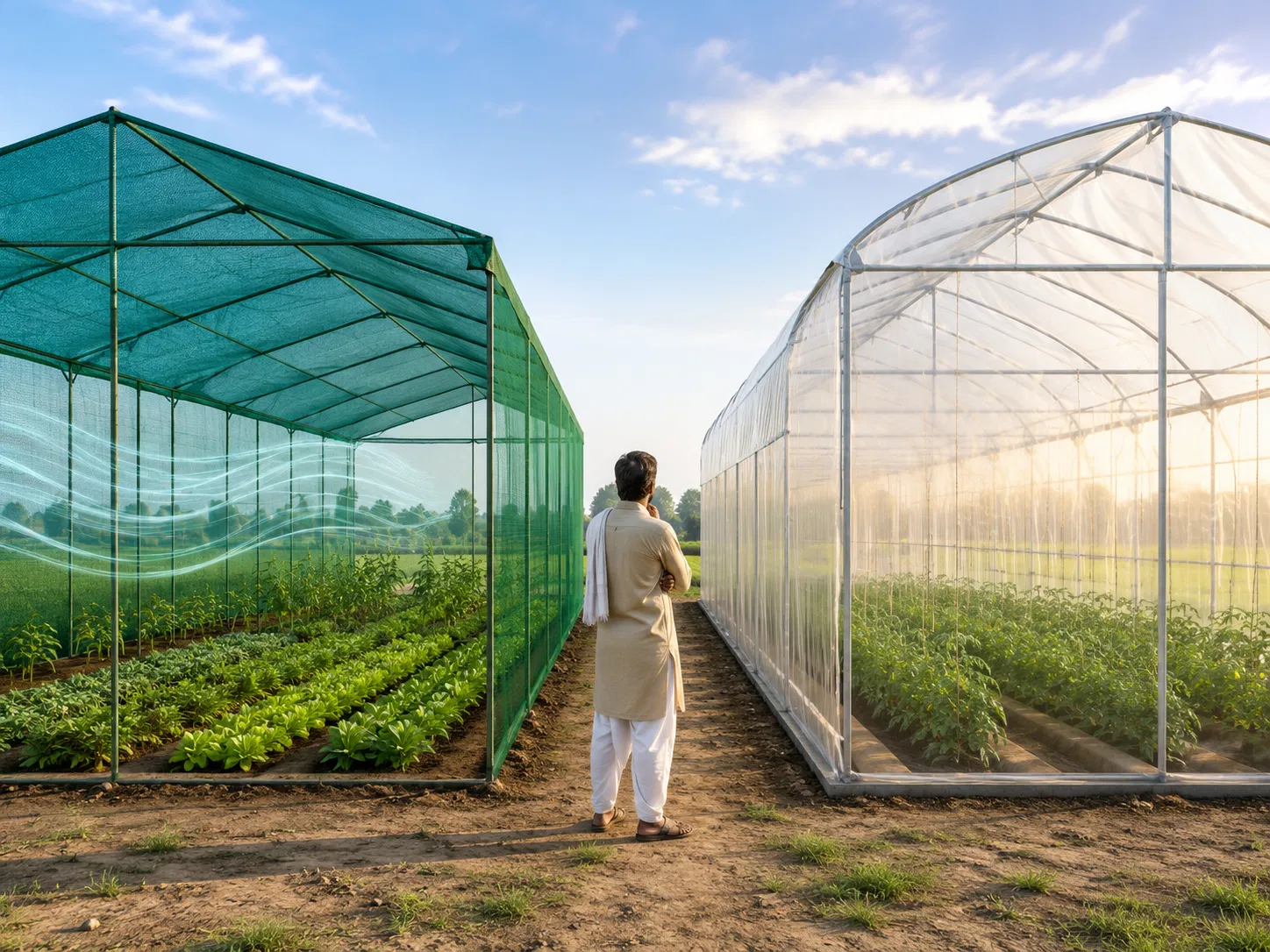
Choosing between a shade net house and a polyhouse can shape the success of your protected cultivation project. Both structures help farmers grow healthier crops, reduce weather risks, and improve yields, but they serve different purposes. If you are planning a farm investment and want the best return, understanding the difference between a shade net house and a polyhouse is essential.
What Is a Shade Net House?
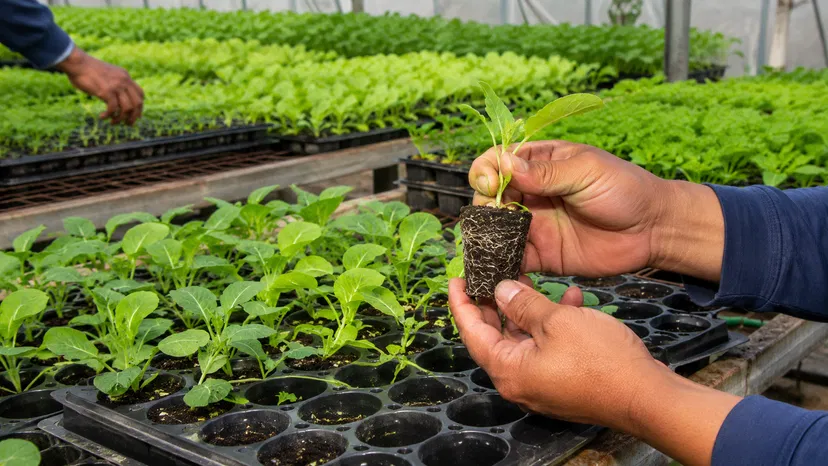
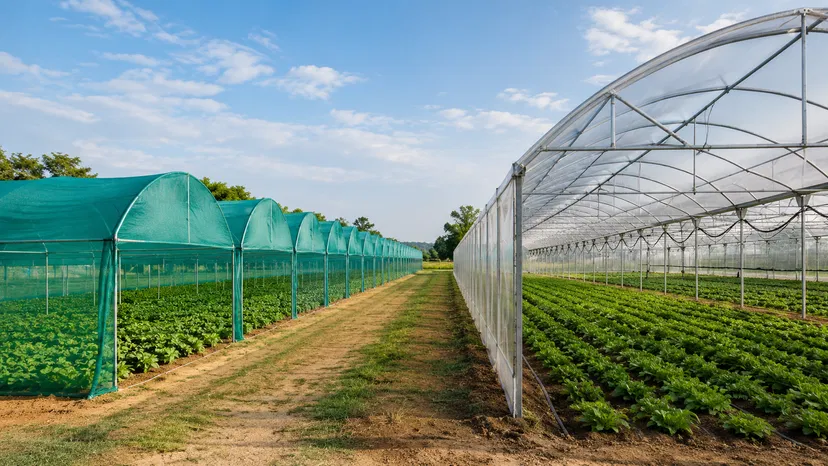
A shade net house is a simple protected structure covered with shade netting that filters sunlight, reduces heat stress, and offers partial protection from wind, pests, and heavy rain. It is widely used for nurseries, ornamental plants, vegetables, and hardening seedlings before transplanting.
The biggest advantage of a shade net house is its lower cost and easier maintenance. It creates a controlled microclimate without fully sealing off the crop environment.
What Is a Polyhouse?
A polyhouse is a more advanced greenhouse structure covered with polyethylene film. It provides a higher level of climate control by regulating temperature, humidity, light, and sometimes even irrigation and ventilation. Polyhouses are commonly used for high-value crops such as capsicum, tomato, cucumber, flowers, and exotic vegetables.
Because a polyhouse offers stronger environmental control, it can support year-round production and better crop quality, especially in regions with extreme weather conditions.
Shade Net House vs Polyhouse: Key Differences
To decide which structure to build, compare them based on cost, climate control, crop suitability, and expected returns.
1. Initial Investment
- Shade net house: Lower construction cost
- Polyhouse: Higher investment due to covering material, framing, and equipment
If budget is limited, a shade net house is often the practical starting point. If you are targeting premium crops and long-term commercial production, a polyhouse may justify the higher cost.
2. Climate Control
- Shade net house: Partial protection from sun and heat
- Polyhouse: Better control over temperature, humidity, and light
A polyhouse is the better choice when crops need a stable environment. A shade net house is suitable when the main goal is reducing heat and sunlight intensity rather than creating a fully controlled growing space.
3. Crop Types
- Shade net house: Seedlings, nursery plants, leafy greens, flowers, and hardy vegetables
- Polyhouse: Tomatoes, capsicum, cucumbers, strawberries, roses, and other high-value crops
If you are growing crops that require careful temperature management, a polyhouse offers better results. For propagation and low-cost cultivation, a shade net house works well.
4. Water Efficiency
- Shade net house: Moderate water savings
- Polyhouse: Higher water-use efficiency with drip and fertigation systems
Polyhouses usually support more advanced irrigation systems, helping reduce water waste and improve nutrient delivery. This makes them attractive in water-scarce areas.
5. Pest and Disease Protection
- Shade net house: Basic protection
- Polyhouse: Stronger protection when combined with insect-proof nets and controlled entry
A polyhouse generally offers better defense against pests and disease transmission because it can be more tightly managed. However, both structures can reduce crop losses compared to open-field farming.
6. Yield and Quality
- Shade net house: Improved growth over open field, but limited control
- Polyhouse: Higher yield potential and premium-quality produce
When market value depends on consistent size, color, and appearance, a polyhouse often delivers stronger commercial outcomes. Shade net houses improve production efficiency, but they do not match the precision of a polyhouse.
When Should You Build a Shade Net House?
A shade net house is ideal if you want a cost-effective solution with quick setup and manageable maintenance. It is a smart option when:
- You are starting protected cultivation on a small budget
- You need a nursery for seedlings or saplings
- You grow crops that do not require full climate control
- Your region has intense sunlight but moderate weather conditions
- You want a lower-risk entry into modern farming
For many farmers, a shade net house is the first step toward protected agriculture because it offers a balance of affordability and performance.
When Should You Build a Polyhouse?
A polyhouse is the better choice if your goal is high productivity and premium market returns. Consider building one when:
- You cultivate high-value crops with strict environmental needs
- You want year-round production
- You have access to capital and technical support
- You farm in regions with harsh climate fluctuations
- You aim for export-quality or premium-grade produce
Although the initial cost is higher, a polyhouse can deliver stronger profitability over time if managed properly.
Cost vs Return on Investment
One of the biggest questions farmers ask is not just which structure is better, but which one offers the best return on investment. The answer depends on your crop, market access, and management capability.
Low investment does not always mean low value, and high investment does not always mean high profit. The right choice depends on matching the structure to the crop and business model.
A shade net house gives a faster and more affordable entry into protected farming. A polyhouse can generate higher income, but only if crop planning, irrigation, pest management, and marketing are handled well.
Which Is Better for Beginners?
For beginners, a shade net house is often easier to start with. It is simpler to build, less expensive to maintain, and less risky financially. It allows new growers to learn about protected cultivation without committing to a large capital investment.
However, if you already have farming experience, access to a reliable market, and the ability to manage technical systems, a polyhouse may be the better long-term strategy.
Which Structure Is Best for Your Farm?
The best choice depends on your farming goals:
- Choose a shade net house if you want affordability, basic protection, and nursery production.
- Choose a polyhouse if you want maximum control, higher yields, and premium crop quality.
If your priority is lower risk and lower cost, start with a shade net house. If your priority is commercial-scale production and higher profitability, invest in a polyhouse.
Final Verdict
When comparing shade net house vs polyhouse, there is no one-size-fits-all answer. A shade net house is the better option for budget-conscious farmers, nursery growers, and those entering protected cultivation for the first time. A polyhouse is the stronger choice for farmers targeting high-value crops, year-round production, and superior quality.
The smartest decision is the one that matches your crop, climate, budget, and market demand. Evaluate your production goals carefully, then build the structure that gives your farm the best chance of success.
Ready to choose the right protected farming structure? Start by assessing your crop needs and budget, then invest in the system that aligns with your long-term farm plan.