Every successful crop starts long before the first sprout appears above the soil. One of the simplest ways to improve plant health, boost germination, and protect young seedlings is seed treatment before sowing. Whether you are growing vegetables, field crops, or flowers, treating seeds before planting can make a noticeable difference in crop establishment and final yield.
Seed treatment is a practical step that helps protect seeds from pests, diseases, and poor germination conditions. It also gives seeds a stronger start, which is especially important when soil conditions are not ideal. If you want more uniform emergence and healthier early growth, understanding why and how to treat seeds before sowing is essential.
What Is Seed Treatment Before Sowing?
Seed treatment before sowing refers to the process of applying protective or beneficial substances to seeds before planting them in the soil. These treatments may be chemical, biological, or physical, depending on the crop and the problem being addressed.
The main goal is to improve seed performance during germination and early seedling growth. In many cases, treated seeds are better prepared to resist soil-borne diseases, insect damage, and environmental stress.
Why Treat Seeds Before Planting?
Treating seeds before sowing offers several important advantages. It is not just about protection; it is also about improving the overall success of the crop.
1. Better Germination
Proper seed treatment can help seeds germinate more evenly and quickly. This is important because uniform emergence leads to more consistent plant growth and easier crop management.
2. Protection From Seed-Borne Diseases
Many crop losses begin with diseases carried on or inside the seed. Seed treatment helps reduce the risk of fungal, bacterial, and sometimes viral infections that can weaken seedlings before they even establish.
3. Defense Against Soil-Borne Pathogens
Young seedlings are highly vulnerable to pathogens in the soil. Treatments can create a protective barrier that reduces damping-off, root rot, and other early-stage diseases.
4. Improved Seedling Vigor
Seeds that are treated properly often produce stronger seedlings. This early advantage helps plants compete better for water, nutrients, and sunlight.
5. Lower Seed and Crop Losses
When fewer seeds fail to emerge or die off early, farmers and gardeners save money and time. Seed treatment can improve plant stand quality and reduce the need for re-sowing.
6. Better Crop Yield Potential
Healthy, uniform seedlings are the foundation of a productive crop. By improving establishment, seed treatment supports better yield outcomes later in the season.
Types of Seed Treatment Before Sowing
There are several methods used to treat seeds before planting. The right choice depends on the crop, the local environment, and the specific risk factors involved.
Chemical Seed Treatment
This method uses fungicides, insecticides, or disinfectants to protect seeds from pests and diseases. It is commonly used in commercial agriculture where disease pressure is high.
Biological Seed Treatment
Biological treatments use beneficial microorganisms such as Trichoderma, Rhizobium, or other helpful microbes. These can improve nutrient uptake, support root development, and suppress harmful organisms naturally.
Physical Seed Treatment
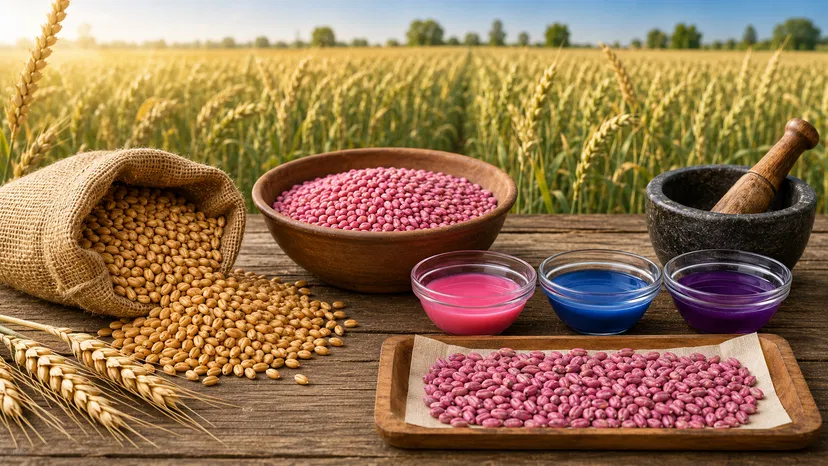
Physical methods include heat treatment, hot water treatment, scarification, or seed priming. These techniques are often used to improve germination or reduce pathogen presence without synthetic chemicals.
Seed Coating and Film Coating
Some seeds are coated with protective materials that include nutrients, fungicides, or growth stimulants. Coating helps ensure even application and can improve handling during sowing.
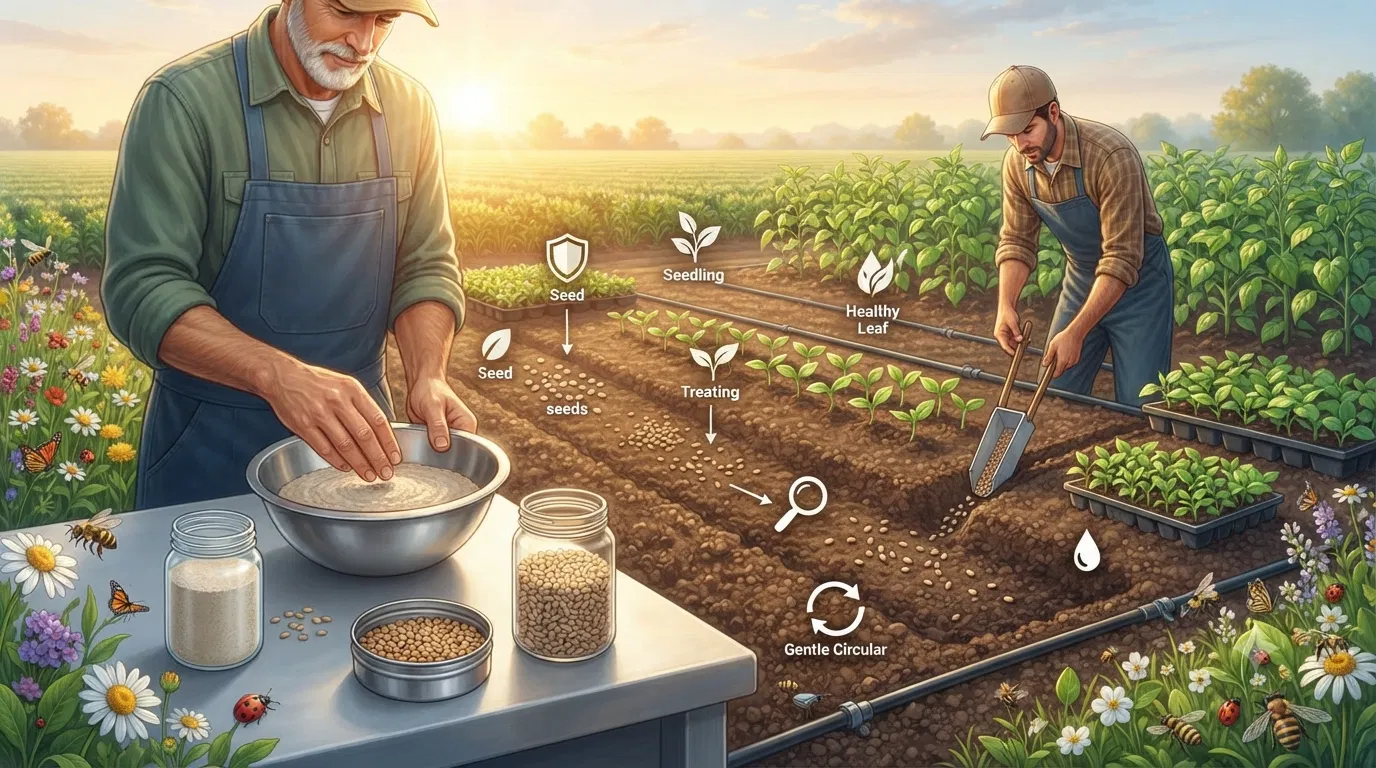
How to Treat Seeds Before Sowing
The exact process depends on the type of treatment being used. Still, some general steps apply to most seed treatment methods.
- Select healthy seeds: Start with clean, mature, undamaged seeds. Poor-quality seeds will not perform well even after treatment.
- Identify the problem: Determine whether the main concern is fungal disease, insect damage, poor germination, or soil stress.
- Choose the right treatment: Use a treatment that matches the crop and threat. For example, biological treatments may suit organic farming, while fungicidal seed dressings may be used in high-risk fields.
- Follow the recommended dosage: Over-treating seeds can damage them. Always follow label instructions or expert guidance.
- Mix uniformly: Make sure all seeds are evenly coated so protection is consistent.
- Dry if needed: Some treated seeds need to dry briefly before sowing to prevent clumping and ensure easy planting.
- Sow promptly: Treated seeds should usually be planted soon after treatment to maintain effectiveness.
Popular Seed Treatment Methods and Their Uses
Different crops respond to different treatment approaches. Here are a few commonly used methods and their typical uses.
- Fungicidal dressing: Used to protect against fungal infections such as seed rot and damping-off.
- Insecticidal treatment: Helps protect seeds and seedlings from early insect attacks.
- Bio-inoculation: Applies beneficial bacteria or fungi that improve root health and nutrient availability.
- Hot water treatment: Used to reduce certain seed-borne pathogens without chemicals.
- Seed priming: Involves soaking seeds under controlled conditions to speed up germination.
- Pelleting or coating: Improves seed size, flowability, and delivery of nutrients or protection agents.
Best Practices for Safe and Effective Seed Treatment
To get the most benefit from seed treatment before sowing, it is important to follow a few best practices.
Use the Right Product for the Crop
Not every treatment suits every seed. Crop type, seed size, and planting conditions all matter. Using the wrong product can reduce germination or fail to control the real problem.
Avoid Excess Chemicals
More is not better. Excessive chemical use may damage seeds, reduce viability, or create environmental concerns. Precision matters.
Store Treated Seeds Properly
If you cannot sow seeds immediately, store them in a cool, dry place away from moisture and direct sunlight. Improper storage can reduce treatment effectiveness.
Wear Protective Gear
When handling chemical treatments, use protective gear, masks, and other equipment as required. Safety should always come first.
Test on a Small Batch First
If you are trying a new treatment, test it on a small number of seeds before treating the full batch. This helps you observe the results and avoid unnecessary losses.
Common Mistakes to Avoid
Even a good seed treatment can fail if it is not applied correctly. Watch out for these common mistakes.
- Using expired or poor-quality seeds
- Applying the wrong dose
- Mixing treatments that are not compatible
- Failing to dry coated seeds before sowing
- Leaving treated seeds exposed to moisture
- Ignoring crop-specific recommendations
Seed Treatment and Organic Farming
For organic growers, seed treatment before sowing is still highly relevant. The focus is usually on biological and physical methods rather than synthetic chemicals. Organic seed treatment may include beneficial microbes, hot water treatment, or natural coatings that support healthy germination while staying aligned with organic standards.
These methods can help reduce disease pressure and improve seedling strength without relying on harsh inputs. For many growers, this is a valuable way to balance productivity and sustainability.
Conclusion
Seed treatment before sowing is a small step that can deliver big results. It improves germination, protects seedlings, reduces disease losses, and supports stronger crop establishment. Whether you are a commercial farmer or a home gardener, treating seeds before planting can lead to healthier plants and better harvests.
If you want more reliable growth from the very start, make seed treatment part of your planting routine. Choose the right method, follow best practices, and give your seeds the strongest possible beginning.