When pests, diseases, and harsh weather conditions threaten a harvest, the smartest defense often starts before the first problem appears. That defense is resistant crop varieties. By choosing plants bred to withstand common threats, growers can reduce losses, protect yields, and build a more resilient farming system from the ground up.
In modern agriculture, resistant crop varieties are more than just a helpful option. They are a practical, science-backed strategy for managing risk, lowering input costs, and improving long-term farm sustainability. Whether the challenge is fungal disease, insect pressure, drought stress, or viral infection, resistant varieties give farmers a stronger starting point.
Why Resistant Crop Varieties Matter
Every growing season brings uncertainty. A field that looks healthy in spring can face sudden outbreaks of disease or pest infestations by midseason. Chemical controls and other interventions can help, but they are most effective when combined with prevention. That is where resistant crop varieties come in.
These varieties are developed through conventional breeding, hybridization, or modern plant breeding techniques to tolerate or repel specific threats. Instead of relying solely on treatments after damage begins, farmers can plant crops that naturally perform better under pressure.
Resistant crop varieties are not a replacement for good farm management—they are the foundation that makes every other decision more effective.
What Makes a Crop Variety “Resistant”?
A resistant crop variety is one that can limit damage from a specific pest, pathogen, or environmental stressor. Resistance does not always mean total immunity. In many cases, it means the crop can slow the spread of disease, reduce visible symptoms, or maintain yield despite stress.
Common Types of Resistance
- Disease resistance: Helps crops fight fungal, bacterial, or viral infections.
- Insect resistance: Makes plants less attractive or less vulnerable to pests.
- Herbicide tolerance: Allows crops to survive specific weed-control products.
- Abiotic stress tolerance: Improves performance under drought, heat, salinity, or cold.
For growers, the key advantage is simple: fewer setbacks and more predictable results. Resistant crop varieties reduce the chance that a single threat will destroy a season’s worth of work.
Benefits of Resistant Crop Varieties
Planting resistant varieties delivers benefits that go far beyond disease control. These crops can improve farm efficiency, protect the environment, and support better financial outcomes.
1. Reduced Crop Losses
The most obvious advantage is protecting yield. If a crop can withstand a common disease or pest, the grower is less likely to experience major losses. Even partial resistance can significantly reduce the impact of an outbreak.
2. Lower Input Costs
Resistant varieties often reduce the need for repeated pesticide or fungicide applications. That can save money on chemicals, labor, machinery use, and fuel. Over time, those savings can make a meaningful difference in profitability.
3. Better Environmental Performance
When fewer chemical applications are needed, there is less pressure on the surrounding ecosystem. Resistant crop varieties can support integrated pest management and help lower the environmental footprint of agriculture.
4. More Reliable Harvests
Farmers need consistency. Resistant varieties help create more stable production, which is especially important for specialty crops and commercial operations that depend on uniform quality and timing.
5. Stronger Support for Sustainable Farming
Resistant crop varieties fit well into sustainable agriculture because they emphasize prevention, resilience, and efficient use of resources. They help farmers produce more with less risk.
How Resistant Varieties Support Integrated Pest Management
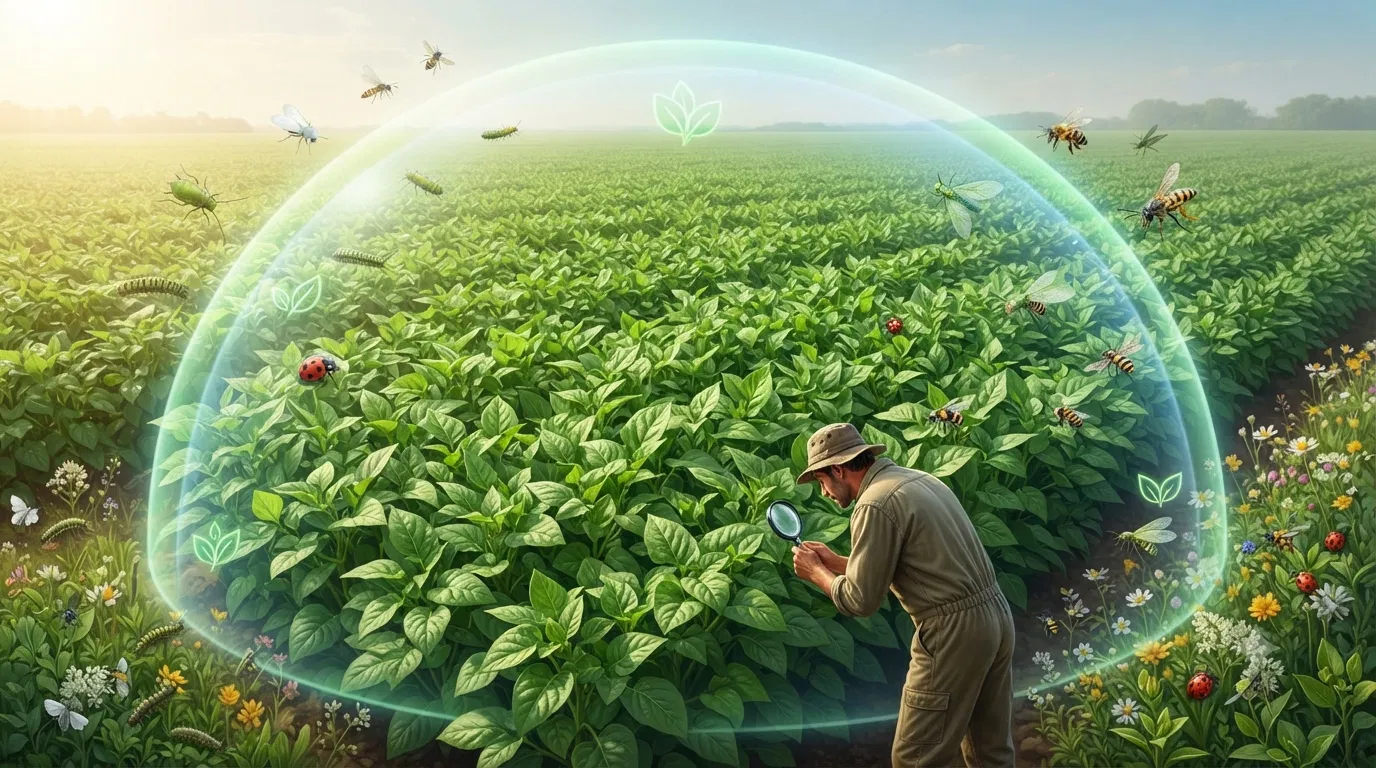
Integrated pest management, or IPM, is a strategy that combines multiple tools to keep pests and diseases below economically damaging levels. Resistant crop varieties are one of the most important IPM tools because they reduce the baseline pressure before other controls are even needed.
Using resistant varieties within an IPM plan can:
- Delay pest and disease buildup
- Reduce dependence on chemical controls
- Improve the timing and effectiveness of interventions
- Support resistance management by lowering overall selection pressure
In other words, resistance is strongest when it is part of a broader strategy. A resistant variety paired with crop rotation, scouting, sanitation, and targeted treatments can outperform any single tactic used alone.
Examples of Resistance Traits in Crop Production
Resistant crop varieties are used across many agricultural systems. Different crops are bred for different threats, depending on local growing conditions and market demands.
Grains and Cereals
Wheat, corn, and rice varieties are often selected for resistance to rusts, blights, viral diseases, and insect pests. These traits help protect staple crops that feed millions of people.
Vegetables
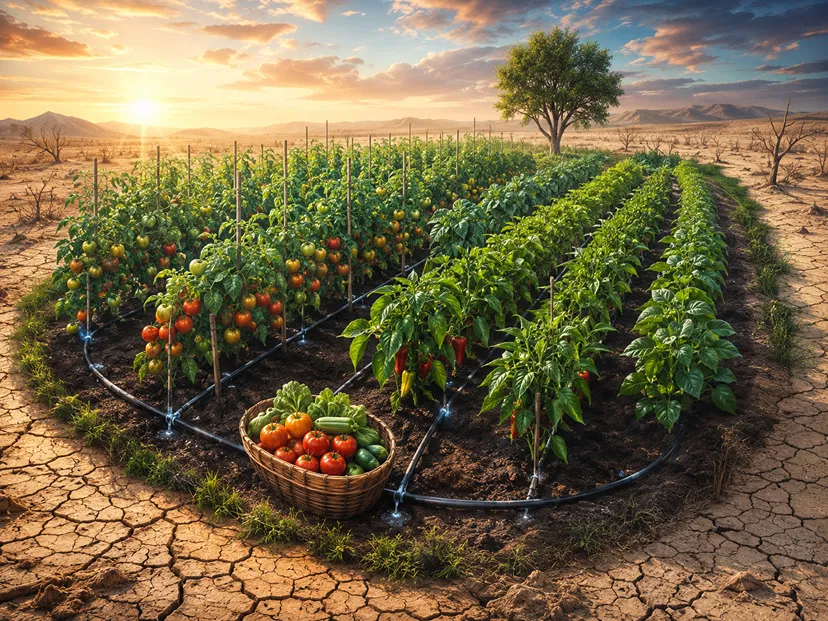
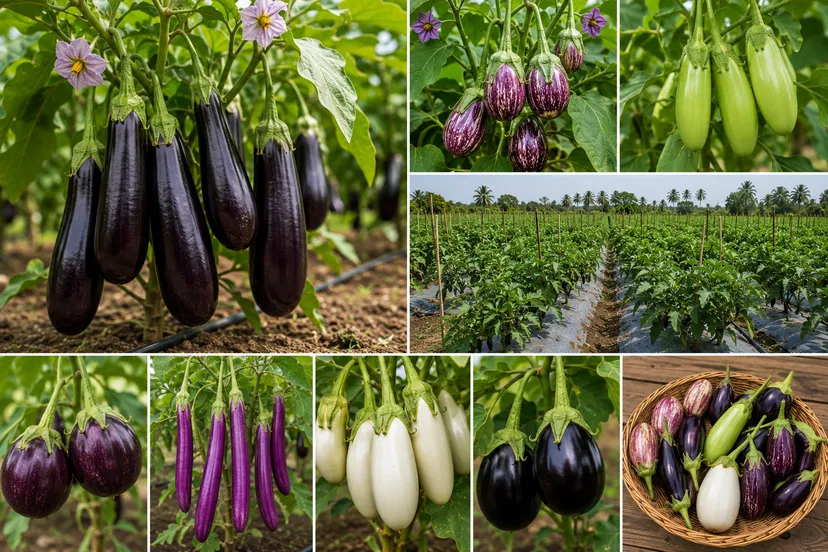
Tomatoes, peppers, cucumbers, and lettuce may be bred for resistance to common diseases such as wilt, mosaic viruses, and mildew. For vegetable growers, disease resistance can be the difference between a marketable crop and a total reset.
Fruit Crops
Apples, grapes, and other fruit crops may be selected for resistance to fungal infections and insect damage, helping preserve both yield and quality.
Legumes and Oilseeds
Soybeans, beans, and canola often benefit from resistance traits that improve performance against disease pressure and insect feeding, especially in regions with intense production systems.
How to Choose the Right Resistant Variety
Choosing the right variety is not just about selecting the most resistant option available. The best choice depends on the crop, the region, the target pest or disease, and the overall production system.
Key Factors to Evaluate
- Local threat pressure: Identify the most common pests and diseases in your area.
- Resistance package: Check whether the variety offers resistance to the specific issue you need to manage.
- Yield potential: Make sure resistance does not come at the cost of unacceptable performance.
- Market requirements: Confirm the variety meets buyer, processor, or export standards.
- Growing conditions: Consider soil type, climate, irrigation, and planting window.
A good resistant crop variety should fit the full production picture, not just solve one problem in isolation.
Important Limitations to Keep in Mind
Resistant varieties are powerful, but they are not invincible. Over time, pests and pathogens can evolve, especially if the same resistance trait is used repeatedly without rotation or diversification.
That is why farmers should avoid overreliance on a single resistance source. Strong management means combining varieties with:
- Crop rotation
- Field scouting
- Sanitation and residue management
- Balanced fertility and irrigation
- Targeted chemical controls when needed
Durable resistance is built through smart planning. The goal is not just to solve this season’s problem, but to protect future seasons as well.
The Future of Resistant Crop Varieties
Advances in plant breeding are making resistant crop varieties more precise and more widely available. Breeders are using improved genetics, faster screening methods, and data-driven selection to develop crops that better match regional threats and climate challenges.
As weather patterns shift and pest pressure changes, resistance will become even more important. Drought-tolerant crops, heat-resilient crops, and disease-resistant crops will all play a bigger role in protecting food systems and farm income.
For growers, this means one thing: the first line of defense is becoming stronger, smarter, and more adaptable.
Conclusion: Start with Resistance, Build from There
Resistant crop varieties are one of the most effective tools farmers can use to protect productivity and reduce risk. They help prevent losses, cut input costs, and support more sustainable growing practices. Most importantly, they give every other management decision a better chance to succeed.
If you want healthier crops and more dependable yields, start with resistance. Choose varieties carefully, match them to local conditions, and use them as the backbone of a strong integrated management plan. In agriculture, the best defense is often the one that begins at planting.