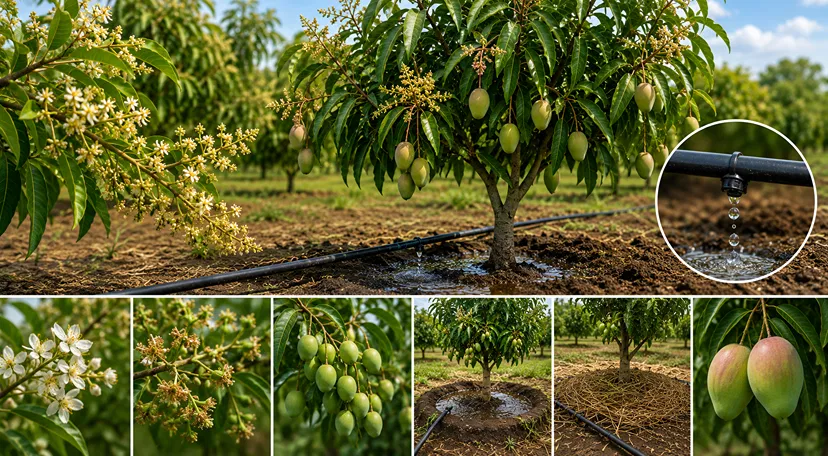
Farmers are under more pressure than ever to make every drop count. When wells run low, irrigation costs rise, and dry spells stretch longer, one solution stands out: recharging groundwater on farms. By helping rainwater and runoff soak back into the soil and refill underground aquifers, farms can build a more reliable water supply while improving soil health and long-term resilience.
The good news is that groundwater recharge does not always require expensive infrastructure. With the right layout, soil management, and water-harvesting practices, farms can turn storms, excess irrigation, and seasonal flows into a valuable source of stored water below ground.
What Is Groundwater Recharge on Farms?
Groundwater recharge is the process of moving water from the surface into underground aquifers. On farms, this can happen naturally when rainfall infiltrates the soil, or it can be improved through intentional practices that slow water down, spread it out, and allow it to sink deeper.
Instead of letting water run off a field and disappear into drainage ditches, recharge-focused farming keeps water on the landscape longer. That extra time gives moisture a chance to filter through the soil profile and replenish groundwater reserves.
Why Groundwater Recharge Matters
For agricultural operations, groundwater is more than a backup resource. In many regions, it is the primary source of irrigation and livestock water. When aquifers are depleted faster than they are replenished, farmers face higher pumping costs, water restrictions, and greater vulnerability during drought.
Recharge strategies can help farms:
- Stabilize water availability during dry seasons
- Reduce runoff and erosion
- Improve soil moisture retention
- Support drought resilience
- Lower long-term dependence on pumped water
In some cases, improving recharge can also help protect nearby streams, wetlands, and ecosystems by balancing the local water cycle.
Best Ways to Recharge Groundwater on Farms
There is no single best method for every farm. The right approach depends on soil type, slope, rainfall patterns, cropping system, and local regulations. Still, several practices consistently help increase infiltration and groundwater recharge.
1. Build Swales and Contour Berms
Swales are shallow, level trenches dug along the contour of a slope. They slow down moving water, capture runoff, and allow it to infiltrate into the ground instead of racing downhill.
Contour berms work similarly by creating small raised barriers that hold water in place. These are especially useful on sloping land where runoff is a major issue.
Benefits:
- Reduce erosion
- Increase infiltration time
- Capture stormwater naturally
- Support tree lines, pasture, or agroforestry systems
2. Use Recharge Basins or Infiltration Ponds
Recharge basins are shallow depressions designed to collect excess water and let it percolate downward. Farms can use them to manage stormwater, tailwater from irrigation, or diverted surface flows.
These basins are often placed where water can be safely stored for short periods without harming crops. The key is choosing a location with permeable soils and enough distance from contamination sources.
When designed correctly, infiltration basins can turn excess water from a problem into a groundwater asset.
3. Improve Soil Health and Organic Matter
Healthy soil absorbs more water. Fields with better structure, more organic matter, and less compaction allow rainfall to move deeper into the profile instead of pooling on the surface.
Practices that improve infiltration include:
- Cover cropping
- Reduced tillage or no-till systems
- Adding compost or manure carefully
- Managing grazing intensity
- Avoiding heavy equipment use when soils are wet
Over time, healthier soils act like a sponge, holding water near roots while also supporting deeper recharge.
4. Capture and Reuse Tailwater
Tailwater is the runoff that leaves an irrigated field after watering. Instead of draining away, it can be collected in holding ponds and redirected for another irrigation cycle or allowed to infiltrate into the soil.
This is especially valuable in row-crop systems, orchards, and vegetable operations where irrigation efficiency matters. Tailwater recovery reduces waste while increasing the amount of water retained on the farm.
5. Plant Trees and Deep-Rooted Perennials
Deep-rooted plants can improve soil structure and create natural pathways for water to move downward. Trees, shrubs, perennial grasses, and agroforestry systems help break up compacted layers and encourage infiltration.
These plants also shade soil, reduce evaporation, and improve the landscape’s ability to hold water during heavy rain events.
6. Use Managed Aquifer Recharge Where Allowed
Managed aquifer recharge is a more advanced approach that intentionally moves water into underground storage through engineered systems. On farms, this may involve diverting clean surface water into spreading areas, injection wells, or dedicated recharge zones.
This method often requires permits, technical design, and water quality monitoring. However, it can be highly effective in regions where aquifers are severely stressed.
How to Choose the Right Recharge Strategy
The best groundwater recharge plan starts with understanding the land itself. A farm with sandy soil will behave very differently from one with heavy clay. Flat land may support basins, while sloped land may benefit more from swales or terraces.
Before choosing a method, evaluate:
- Soil permeability
- Topography and slope
- Water source quality
- Crop needs and field layout
- Local water rights and regulations
- Risk of contamination from fertilizers, pesticides, or livestock waste
If possible, work with a soil scientist, watershed specialist, or agricultural extension expert to assess feasibility and design the system properly.
Important Safety and Water Quality Considerations
Not all water should be used for recharge. Water containing high levels of nutrients, chemicals, sediment, or pathogens can damage groundwater quality. That is why source selection and filtration are critical.
Best practices include:
- Using clean stormwater or appropriately filtered runoff
- Keeping recharge areas away from fuel storage and waste zones
- Preventing manure-laden water from entering basins
- Monitoring sediment buildup in ponds and swales
- Following local regulations for groundwater protection
A recharge project should improve water security without creating new environmental problems.
Long-Term Benefits for Farm Resilience
Groundwater recharge is not just about water storage. It is a long-term resilience strategy that supports more stable production and healthier farm systems. Fields that better absorb water are less likely to suffer from flooding, crusting, and erosion after intense storms.
At the same time, stored groundwater can help farms stay productive during heat waves and dry periods. That kind of reliability can make a major difference in yields, forage production, and operating costs.
In a changing climate, farms that recharge groundwater are better positioned to adapt. They are also more likely to protect the natural resources that future generations will depend on.
Final Thoughts
Recharging groundwater on farms is one of the smartest ways to turn rainfall, runoff, and irrigation water into a lasting resource. Whether through swales, basins, better soil management, or more advanced recharge systems, the goal is the same: keep water on the land longer so it can sink into the ground and refill aquifers.
If you want a more water-secure farm, start by looking at where your water flows today—and where it could be stored below ground tomorrow. The sooner you make recharge part of your farm plan, the sooner you build resilience for every season ahead.