In the race to protect crops without relying heavily on synthetic chemicals, one microscopic ally stands out: Pseudomonas fluorescens. This beneficial bacterium has earned a reputation as a powerful biocontrol agent because it helps suppress plant diseases, promote root health, and support more sustainable crop protection. For growers, researchers, and anyone interested in eco-friendly farming, Pseudomonas fluorescens offers a practical and promising solution.
What makes it so effective is not just one mechanism, but a combination of disease-fighting and plant-supporting traits. From outcompeting harmful microbes to triggering plant defenses, this versatile bacterium plays a major role in biological control strategies. As agriculture continues to shift toward sustainable practices, Pseudomonas fluorescens is becoming increasingly important.
What Is Pseudomonas fluorescens?
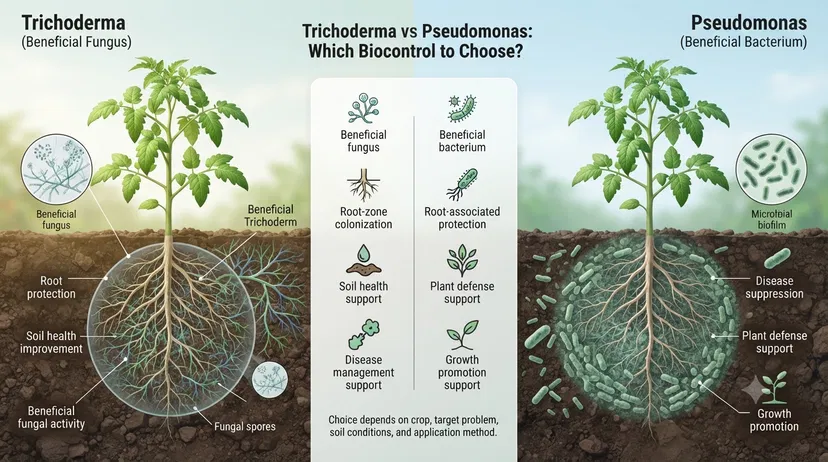
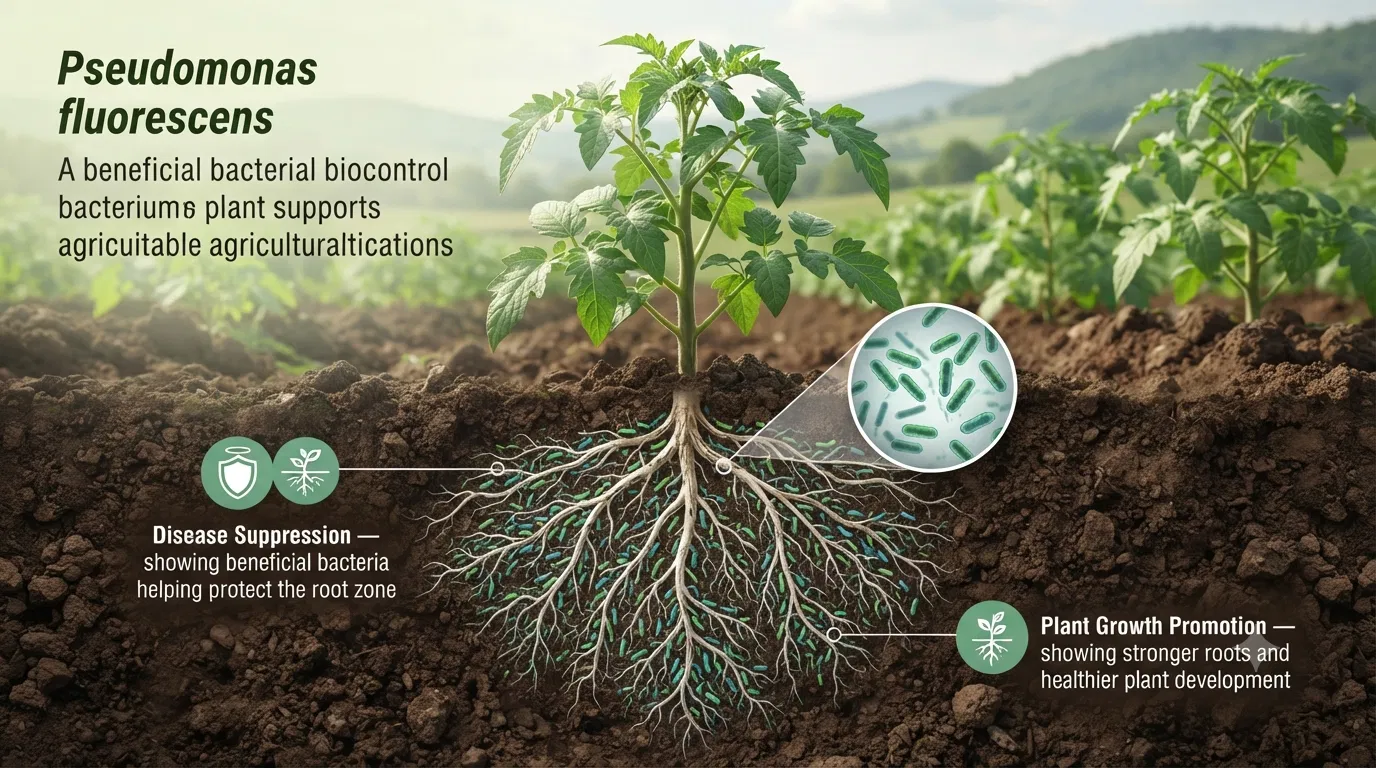
Pseudomonas fluorescens is a rod-shaped, Gram-negative bacterium commonly found in soil, water, and plant root zones. It is known for producing a fluorescent pigment called pyoverdine, which gives it a distinctive glow under ultraviolet light. More importantly, it thrives in the rhizosphere, the narrow region of soil surrounding plant roots, where it can interact closely with crops and influence their health.
Because of its natural ability to colonize roots and suppress pathogens, it is widely studied and used as a biocontrol agent. It is especially valuable in reducing the impact of fungal and bacterial diseases that can damage roots, stems, and foliage.
Why Pseudomonas fluorescens Is a Powerful Biocontrol Agent
The strength of Pseudomonas fluorescens lies in its multi-layered defense strategy. Instead of targeting one pathogen in one way, it uses several biological mechanisms at once. This makes it harder for harmful organisms to overcome its effects.
1. It Competes for Space and Nutrients
One of the simplest but most effective ways Pseudomonas fluorescens protects plants is by occupying the root surface before pathogens can establish themselves. It competes aggressively for nutrients like iron, which many microbes need to survive. By producing siderophores that bind iron tightly, it limits the availability of this essential element to disease-causing organisms.
2. It Produces Antimicrobial Compounds
This bacterium can synthesize a variety of natural compounds that inhibit or kill harmful microbes. These include antibiotics, hydrogen cyanide, and enzymes that break down fungal cell walls. As a result, it can directly suppress pathogens responsible for root rot, wilt, damping-off, and other plant diseases.
3. It Triggers Induced Systemic Resistance
Pseudomonas fluorescens can "prime" a plant's immune system through a process called induced systemic resistance. This means the plant becomes better prepared to resist future attacks from pathogens. Rather than acting like a pesticide, the bacterium helps the plant defend itself more effectively.
4. It Improves Root Health and Growth
Healthy roots are the foundation of healthy plants. Beyond disease suppression, Pseudomonas fluorescens can enhance nutrient uptake and encourage root development. Many strains function as plant growth-promoting rhizobacteria, or PGPR, helping crops absorb nutrients more efficiently and establish stronger root systems.
Key Benefits of Pseudomonas fluorescens in Agriculture
Farmers and agronomists value Pseudomonas fluorescens because it delivers both protective and productive benefits. Its use can reduce dependence on chemical inputs while supporting crop performance.
- Reduces soil-borne diseases by suppressing harmful fungi and bacteria
- Supports sustainable farming through biological rather than chemical control
- Promotes healthier roots for better water and nutrient uptake
- Improves plant vigor and can contribute to stronger yields
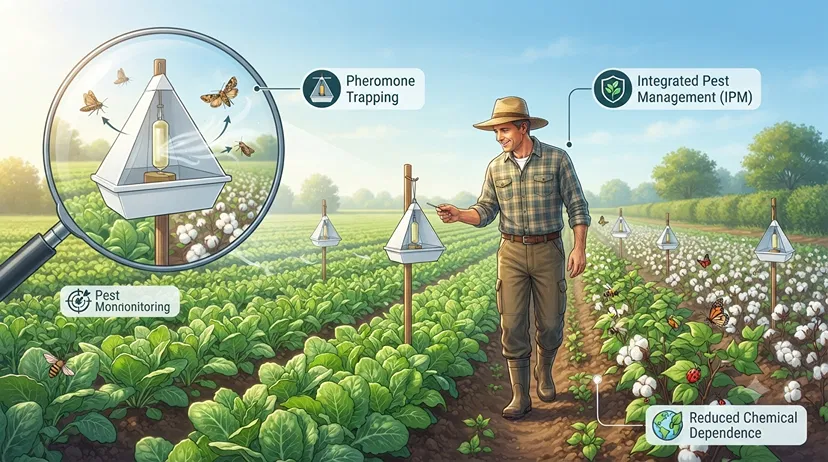
- Works well in integrated pest management programs
These benefits make it especially appealing in horticulture, field crops, greenhouse production, and organic agriculture systems.
Common Applications of Pseudomonas fluorescens
Pseudomonas fluorescens is used in a variety of crop protection and soil health strategies. Its flexibility makes it suitable for multiple farming environments.
Seed Treatment
Applying beneficial bacteria to seeds can help protect young seedlings from early disease pressure. Seed treatments with Pseudomonas fluorescens can improve germination success and reduce the risk of damping-off and root infections.
Soil and Root Applications
It can be introduced directly into the soil or applied near the root zone to establish a protective microbial presence. This approach helps the bacterium colonize the rhizosphere and form a barrier against pathogens.
Greenhouse and Nursery Use
Because greenhouse systems often deal with high plant density and disease spread, biological control is especially valuable. Pseudomonas fluorescens can be integrated into nursery production to help maintain clean, healthy plants before transplanting.
Integrated Pest Management
In IPM programs, it serves as a biological tool that complements cultural practices, resistant varieties, and careful monitoring. This makes disease management more resilient and less dependent on synthetic fungicides.
Challenges and Considerations
Although Pseudomonas fluorescens is highly promising, its performance can vary depending on environmental conditions, crop type, soil properties, and the specific strain used. Not every strain works the same way, and success often depends on proper formulation and application timing.
Some important considerations include:
- Strain selection matters because biocontrol performance is strain-specific
- Environmental conditions such as temperature and moisture can affect survival and activity
- Application methods must be matched to the crop and disease target
- Storage and formulation influence product stability and effectiveness
These factors mean that while the bacterium is powerful, it works best when used strategically as part of a broader crop management plan.
The Role of Pseudomonas fluorescens in Sustainable Agriculture
As farmers look for ways to protect crops while reducing environmental impact, Pseudomonas fluorescens fits perfectly into the future of sustainable agriculture. It offers a biological alternative to conventional disease control and helps preserve soil health by supporting beneficial microbial communities.
Its use can also contribute to lower chemical residue levels, reduced risk of pathogen resistance, and improved long-term soil biology. In many ways, it represents the shift from reactive crop protection to proactive ecosystem management.
Pseudomonas fluorescens is more than a biocontrol agent; it is a living tool for building healthier plants, healthier soils, and more resilient farming systems.
Conclusion
Pseudomonas fluorescens has proven itself to be a powerful biocontrol agent with wide-ranging benefits for agriculture. By competing with pathogens, producing antimicrobial compounds, activating plant defenses, and promoting root growth, it delivers a smart and sustainable approach to crop protection.
For growers seeking effective ways to reduce disease pressure and improve plant health, this beneficial bacterium deserves serious attention. As biological solutions continue to gain importance, Pseudomonas fluorescens stands out as a key player in the future of sustainable farming. If you are exploring eco-friendly crop protection, this remarkable microorganism is well worth including in your strategy.