If you want to keep your farm, garden, or plantation clean and productive without spending endless hours on manual labor, a power weeder can make a dramatic difference. This compact yet powerful machine helps remove weeds, loosen soil, and improve crop health with far less effort than traditional methods. Whether you are a small-scale farmer, landscaper, or home gardener, understanding the uses, types, and buying tips for power weeders can help you choose the right machine and get the best results.
What Is a Power Weeder?
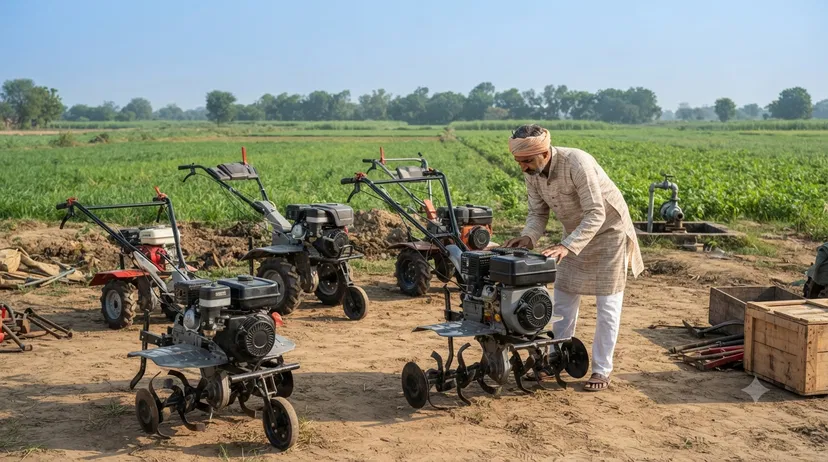
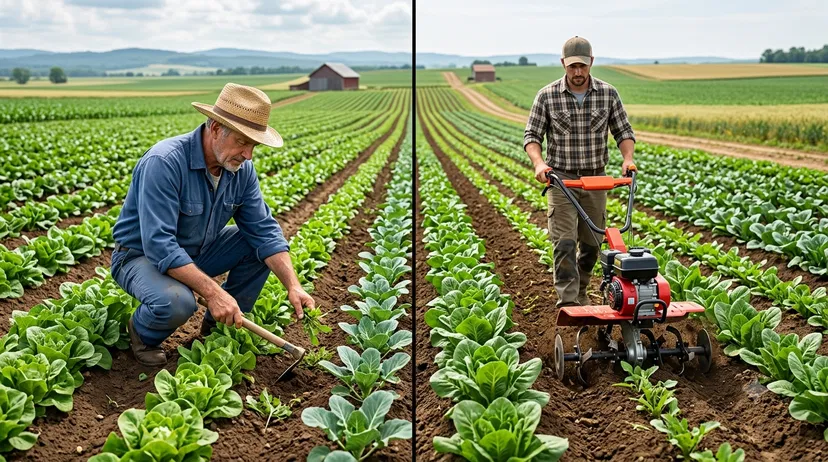
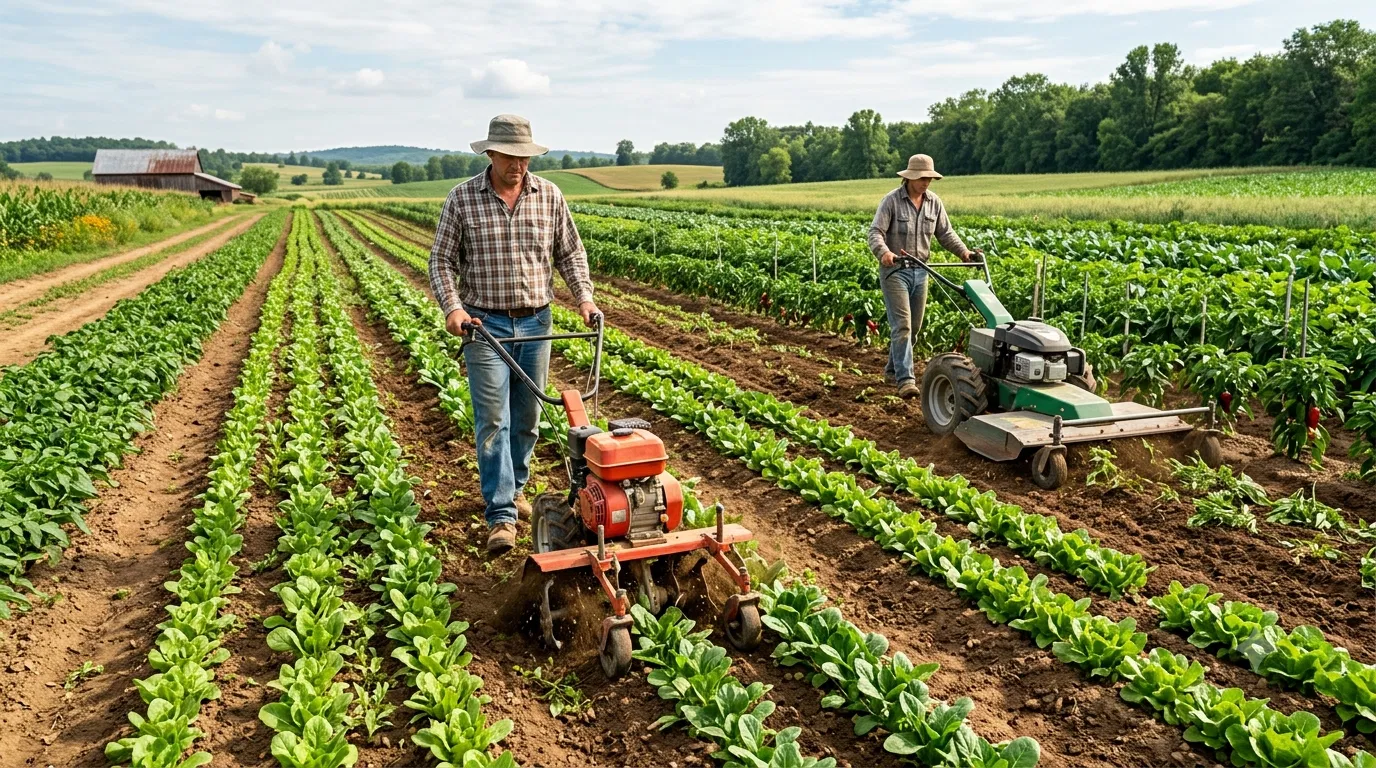
A power weeder is a motorized agricultural machine designed to remove weeds and cultivate soil between crop rows. It is especially useful in vegetable fields, orchards, plantations, nurseries, and gardens where weeds compete with crops for water, nutrients, and sunlight. Unlike hand tools, a power weeder saves time, reduces labor costs, and improves soil aeration at the same time.
Modern power weeders come in different sizes, engine capacities, and attachment options, making them suitable for a wide range of farming and landscaping tasks.
Uses of a Power Weeder
The main purpose of a power weeder is weed control, but it can do much more than that. Here are the most common applications:
- Weed removal: Cuts and uproots weeds growing between crop rows and around plants.
- Soil loosening: Breaks compacted soil and improves root growth.
- Inter-row cultivation: Helps maintain clean rows in vegetable and row crops.
- Earthing up: Moves soil around plant bases to support crops like potatoes and sugarcane.
- Seedbed preparation: Prepares soil for sowing by refining the top layer.
- Mulch mixing: Mixes organic matter into the soil for better fertility.
- Orchard maintenance: Useful in fruit orchards where weeds grow quickly between trees.
For farmers, the biggest advantage is efficiency. A power weeder can cover much more ground than manual labor in a shorter period, which is crucial during peak growing seasons.
Types of Power Weeders
Choosing the right type of power weeder depends on the size of the land, crop type, soil condition, and budget. Below are the major types you should know.
1. Petrol Power Weeders
Petrol-powered weeders are popular for their portability and ease of use. They are ideal for medium-sized farms and gardens because they do not depend on electric cords or power outlets.
- Good mobility
- Suitable for uneven terrain
- Easy to operate in remote areas
They are best for users who need flexibility and moderate power.
2. Diesel Power Weeders
Diesel power weeders are known for durability and higher torque. They are often preferred for larger farms and tougher soil conditions.
- More fuel-efficient for heavy-duty use
- Strong performance in hard soil
- Longer working life in many cases
If you have larger areas to maintain and need a machine for frequent use, diesel models are often a practical choice.
3. Electric Power Weeders
Electric weeders are lightweight, quiet, and eco-friendly. They are best suited for home gardens, small plots, and areas with easy access to power supply.
- Low noise and low maintenance
- Easy to start and operate
- Ideal for small-scale tasks
However, corded models may limit movement, so they are not always suitable for large or remote fields.
4. Battery-Operated Power Weeders
Battery-operated weeders offer a balance between portability and convenience. They are becoming increasingly popular for light-duty work and small farms.
- No fuel required
- More mobile than corded electric models
- Environmentally friendly
Keep in mind that battery life and charging time are important factors to consider before buying.
5. Walk-Behind Power Weeders
Walk-behind weeders are designed to be manually guided by the operator while the machine does the heavy work. They are common in small and medium farms.
- Good control and precision
- Suitable for row crops and gardens
- Easy to maneuver in narrow spaces
6. Self-Propelled Power Weeders
Self-propelled models reduce operator fatigue because the machine moves on its own with minimal pushing effort. These are useful for larger areas and longer working hours.
- Less physical strain
- Better for extended use
- Improves productivity
Key Benefits of Using a Power Weeder
A power weeder is more than just a weed-removal tool. It offers several long-term benefits for both crops and soil.
- Improves crop yield: Reduces competition from weeds.
- Saves time: Faster than manual weeding.
- Lowers labor costs: Reduces dependence on hired labor.
- Enhances soil health: Loosens soil and improves airflow.
- Supports sustainable farming: Minimizes the need for chemical weed control.
“A good power weeder pays for itself by saving time, reducing labor, and protecting crop performance season after season.”
Buying Tips for Choosing the Right Power Weeder
Not every power weeder is suitable for every user. Before making a purchase, consider the following factors carefully.
1. Match the Machine to Your Land Size
For small gardens or compact plots, a lightweight electric or battery-powered weeder may be enough. For medium to large farms, petrol or diesel models are usually more effective.
2. Check Engine Power and Performance
Engine power affects how well the machine handles tough weeds and hard soil. If your land has dense weed growth or clay-heavy soil, choose a model with sufficient horsepower and torque.
3. Look at Tilling Width and Depth
Working width determines how much soil the machine covers in one pass, while tilling depth affects weed removal and soil loosening. Wider and deeper settings are useful for larger fields, but smaller settings offer better precision around delicate crops.
4. Consider Attachments and Versatility
Some power weeders support additional attachments such as ridgers, ploughs, or cultivators. A versatile machine can perform multiple tasks, which increases its value.
5. Focus on Ease of Maintenance
Choose a machine with easy access to spare parts, service support, and simple maintenance requirements. Regular upkeep is essential for long-term performance.
6. Evaluate Fuel Efficiency or Battery Life
If you are buying a petrol or diesel model, fuel efficiency matters. For battery-powered models, check runtime, charging time, and battery replacement cost.
7. Prioritize Comfort and Safety
Look for ergonomic handles, vibration control, and safety guards. A comfortable machine reduces fatigue and improves control during long hours of work.
8. Compare Brand Reputation and Warranty
Buy from trusted brands that offer warranty coverage and reliable after-sales service. This can save time and money in case of technical issues.
How to Use a Power Weeder Effectively
To get the best results, use the machine correctly and safely. Before starting, inspect the area for stones, wires, or other obstacles. Wear protective gear and follow the manufacturer’s instructions.
- Start with a clean, dry field when possible.
- Adjust the blade depth based on soil and crop spacing.
- Move steadily to avoid damaging roots.
- Clean the machine after each use.
- Store it in a dry place to prevent rust and wear.
Conclusion
A power weeder is a smart investment for anyone looking to improve field efficiency, control weeds, and maintain healthier crops. By understanding the different types of power weeders, their practical uses, and the most important buying tips, you can select a machine that fits your land, crops, and budget perfectly.
If you want better productivity with less manual labor, now is the time to compare models, evaluate features, and choose a power weeder that supports your long-term farming goals.