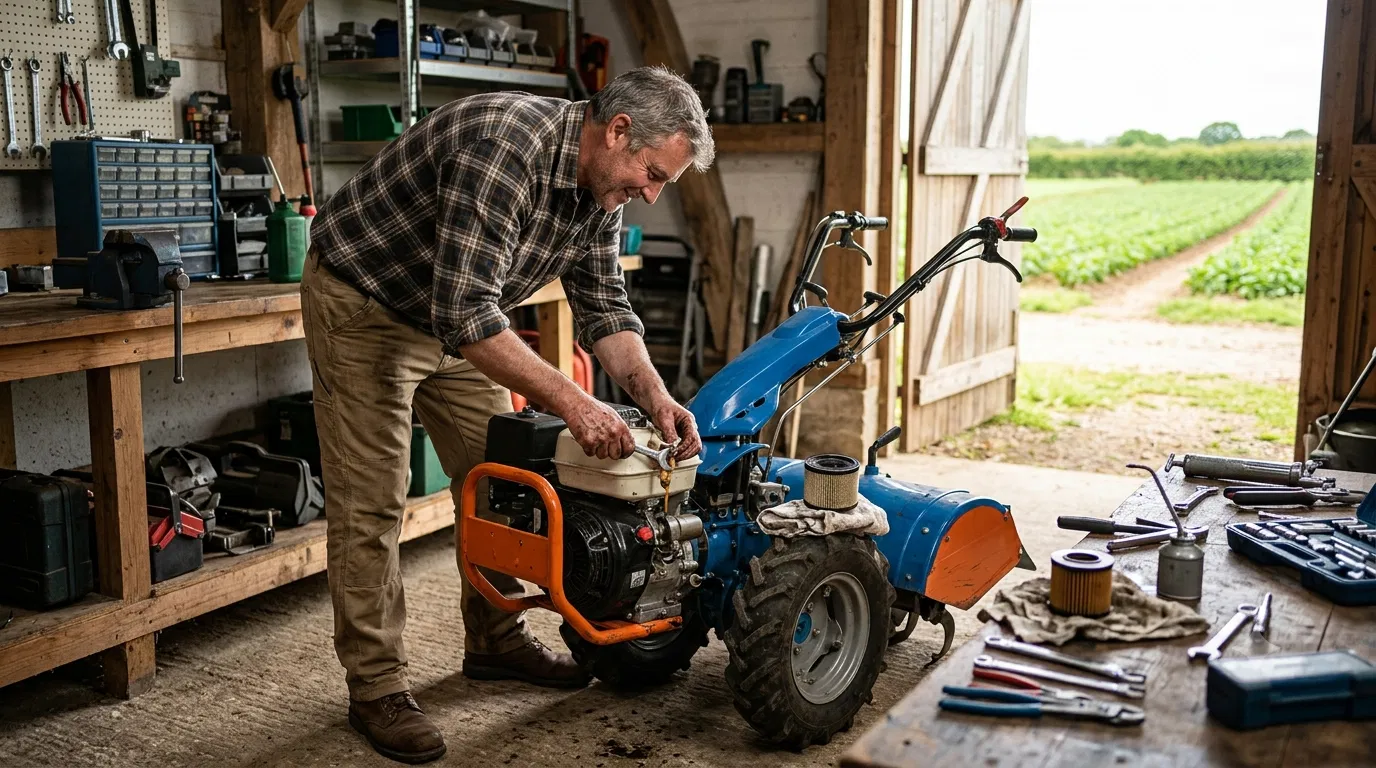
A power tiller is one of the hardest-working machines on any farm or large garden. It breaks up compact soil, prepares seedbeds, and saves hours of manual labor. But like any engine-driven equipment, it only performs well when it is cared for properly. Regular power tiller maintenance not only improves reliability but also helps extend the life of the machine, reduce repair costs, and keep field work on schedule.
If you want your tiller to stay strong season after season, a consistent maintenance routine is essential. The good news is that most of the important steps are simple, practical, and easy to build into your regular workflow.
Why Power Tiller Maintenance Matters
Neglecting maintenance often leads to poor performance, fuel waste, overheating, difficult starting, and premature wear on major parts. A well-maintained power tiller, on the other hand, runs smoother, lasts longer, and handles heavy soil conditions more efficiently.
Regular maintenance is the difference between a dependable machine and an expensive breakdown waiting to happen.
Whether you use a small power tiller for home gardening or a heavy-duty model for agricultural work, the same principle applies: inspect, clean, lubricate, and replace worn parts before they cause bigger problems.
Start with a Daily Inspection Routine
The easiest way to keep a power tiller in good condition is to inspect it before and after use. A quick daily check helps catch small issues early.
What to check before operation
- Engine oil level
- Fuel level and fuel quality
- Air filter condition
- Loose bolts, nuts, or fasteners
- Tines, blades, and rotary parts
- Throttle and clutch operation
- Tire pressure if your model has wheels
After use, look for mud buildup, damaged parts, oil leaks, or unusual noises. These simple checks help prevent bigger maintenance issues down the line.
Keep the Engine Clean and Properly Lubricated
The engine is the heart of the power tiller, so clean oil and proper lubrication are critical. Dirty oil can increase friction, heat, and wear inside the engine, while low oil levels can quickly damage internal parts.
Engine oil maintenance tips
- Check oil before every use
- Change oil at the intervals recommended by the manufacturer
- Use the correct oil grade for your climate and engine type
- Never mix old and new oil without draining properly
Also pay attention to grease points, bearings, moving joints, and linkage systems. Applying the right lubricant reduces friction and keeps controls operating smoothly.
Clean the Air Filter Regularly
A clogged air filter restricts airflow to the engine, making the tiller harder to start and less efficient during operation. It can also allow dirt to enter the engine, causing damage over time.
Depending on the type of air filter, you may need to clean or replace it regularly. Foam filters often need washing and re-oiling, while paper filters usually need replacement when dirty. If you work in dusty fields, inspect the filter more often.
Signs the air filter needs attention
- Reduced engine power
- Hard starting
- Black smoke from the exhaust
- Rough idling
A clean air filter is one of the simplest ways to improve engine performance and fuel efficiency.
Check the Fuel System
Fuel-related problems are common in power tillers, especially when machines sit unused for long periods. Old fuel can clog carburetors, damage seals, and create starting issues.
Use fresh fuel and store it in a clean, approved container. If your tiller will not be used for several weeks or months, drain the fuel system or add a stabilizer if recommended by the manufacturer.
Fuel system maintenance best practices
- Use clean, fresh fuel only
- Inspect fuel lines for cracks or leaks
- Keep the tank cap clean and secure
- Drain stale fuel before long storage periods
- Clean the carburetor if the engine runs unevenly
Taking care of the fuel system helps your power tiller start easier and operate more consistently.
Inspect and Sharpen the Tines
The tines do the heavy work of breaking and turning soil, so their condition directly affects performance. Worn, bent, or dull tines make the machine work harder and reduce tilling efficiency.
After each use, remove accumulated soil, weeds, and debris from the tines. Check for cracks, chips, and uneven wear. If the tines are dull, sharpen or replace them according to the manufacturer’s recommendations.
Tine maintenance tips
- Clean tines after every job
- Inspect for damage before storage
- Keep bolts and mounting hardware tight
- Replace badly worn tines in pairs when needed
Well-maintained tines improve soil penetration and reduce strain on the engine.
Watch for Loose Bolts and Worn Parts
Vibration during tilling can loosen bolts, nuts, and other fasteners over time. If left unchecked, this can lead to rattling, misalignment, or even part failure.
Make it a habit to tighten all accessible fasteners during routine checks. Pay special attention to handles, engine mounts, tine assemblies, protective covers, and wheel fittings. Also inspect belts, cables, and chains for signs of wear or slack.
If a belt is cracked, stretched, or frayed, replace it before it fails during operation. The same goes for cables that feel stiff, damaged, or unresponsive.
Keep the Transmission and Moving Parts in Good Shape
The transmission system transfers power from the engine to the tines and wheels. If this system is neglected, the tiller may lose efficiency or suffer expensive mechanical damage.
Check gearbox oil levels, grease moving parts, and listen for unusual grinding or clicking noises. These sounds can indicate wear, misalignment, or low lubrication.
Regular servicing of the transmission system is especially important for power tillers used in tough or wet soil conditions.
Clean the Machine After Every Use
One of the best habits for power tiller maintenance is also one of the simplest: clean the machine after each use. Mud, plant residue, and moisture can cause rust, block moving parts, and accelerate wear.
Post-use cleaning routine
- Remove dirt from tines, wheels, and frame
- Wipe down the engine exterior
- Check for moisture around electrical parts
- Dry the machine before storage
- Use a brush or low-pressure cleaning method to avoid damage
A clean power tiller is easier to inspect, safer to store, and less likely to develop corrosion problems.
Store the Power Tiller Properly
Storage plays a major role in extending machine life. Leaving a tiller exposed to rain, sunlight, and moisture can damage paint, metal parts, rubber components, and fuel systems.
Store the tiller in a dry, covered area with good ventilation. If possible, place it on a level surface and protect it from dust and pests. Before long-term storage, clean it thoroughly, drain fuel if necessary, change oil if due, and disconnect the spark plug for safety.
Long-term storage checklist
- Clean the entire machine
- Drain or stabilize the fuel
- Change the oil if needed
- Lubricate metal parts
- Inspect and protect tines
- Cover the machine with a breathable cover
Follow the Manufacturer’s Service Schedule
Every power tiller model has specific maintenance intervals for oil changes, filter replacement, belt checks, and other service tasks. Following the manufacturer’s schedule is one of the most effective ways to prevent breakdowns and maintain warranty coverage.
Keep a maintenance log to record service dates, part replacements, and repairs. This makes it easier to track what has been done and when the next service is due.
Know When to Call for Professional Service
Some maintenance tasks are easy to handle yourself, but others require a trained technician. If the engine repeatedly stalls, the transmission slips, or you notice major oil leaks, it is time for professional inspection.
Getting expert help early can prevent a small issue from turning into a costly repair. This is especially important before peak planting seasons, when downtime can disrupt your entire schedule.
Final Thoughts on Keeping Your Power Tiller Running Longer
Power tiller maintenance is not complicated, but it does require consistency. Small habits like cleaning after use, checking oil, inspecting tines, and tightening fasteners can make a huge difference in how long your machine lasts.
By taking care of the engine, transmission, fuel system, and storage conditions, you protect your investment and keep your tiller ready for demanding work. Make maintenance part of your regular routine, and your power tiller will reward you with better performance, fewer breakdowns, and a longer service life.
If you want your power tiller to stay dependable season after season, start with a simple maintenance checklist and follow it every time you use the machine.