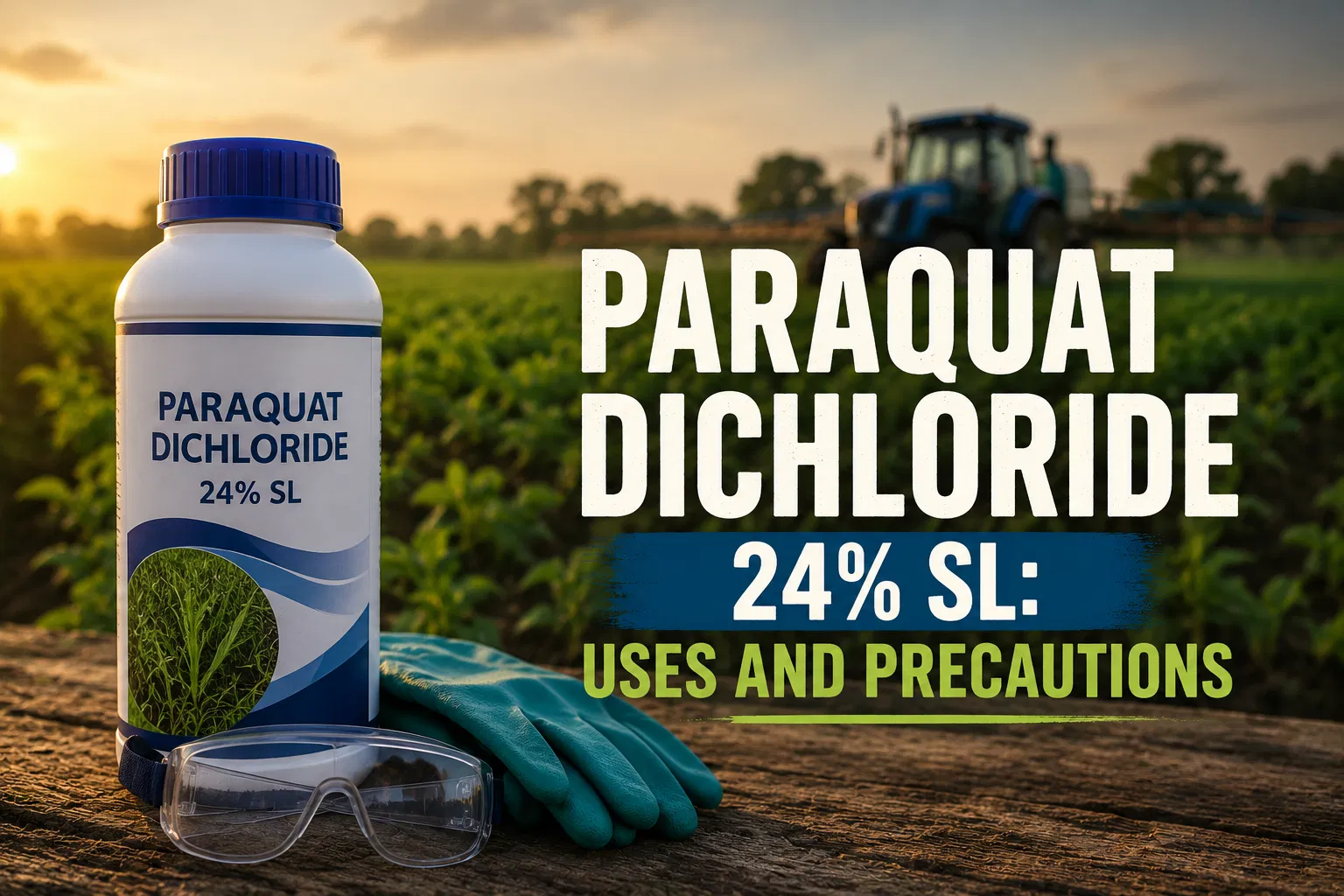
When fast, effective weed control matters, Paraquat Dichloride 24% SL is often considered a powerful solution. This non-selective herbicide is widely used to control a broad spectrum of weeds and grasses in agricultural and non-crop settings. But while it delivers rapid results, it also demands careful handling, proper application, and strict safety measures.
If you are looking for a clear guide to Paraquat Dichloride 24% SL uses and precautions, this article breaks down what it is, how it works, where it is used, and the critical safety practices every user should follow.
What Is Paraquat Dichloride 24% SL?
Paraquat Dichloride 24% SL is a liquid herbicide formulation designed to kill green plant tissue on contact. It is a non-selective, contact herbicide, which means it can damage or kill most plants it touches, including crops, weeds, and grasses. The "24% SL" refers to the concentration and formulation type, with "SL" standing for soluble liquid.
Because it acts quickly, Paraquat is often used where rapid weed knockdown is needed. However, it does not move deeply through the plant like some systemic herbicides, so it is best for controlling young, actively growing weeds.
Uses of Paraquat Dichloride 24% SL
Paraquat Dichloride 24% SL is commonly used in a range of weed management programs. Its speed and effectiveness make it useful in many agricultural operations.
1. Pre-Plant Weed Control
One of the most common uses of Paraquat is pre-plant weed control. Farmers apply it before sowing crops to eliminate existing weeds and prepare a clean seedbed. This helps reduce competition for water, nutrients, and sunlight during early crop growth.
2. Orchard and Plantation Weed Management
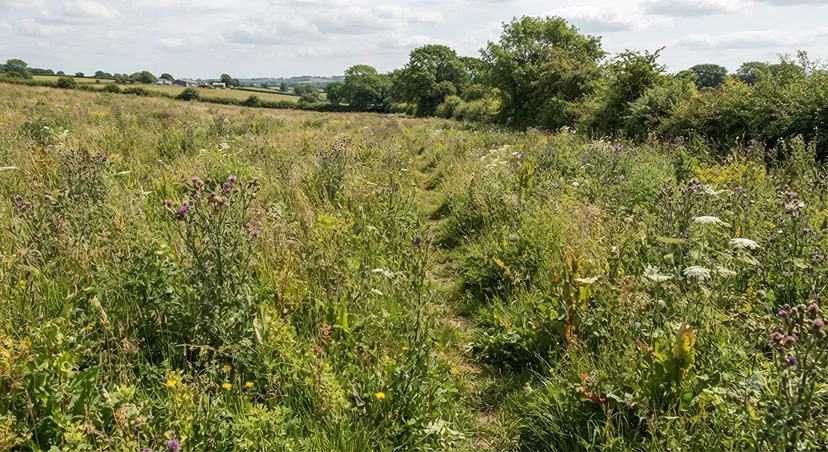
Paraquat is often used in orchards, vineyards, tea plantations, and other perennial crop systems to control weeds between rows. Since it is a contact herbicide, it can be applied carefully to target weeds while avoiding direct contact with crop foliage.
3. Non-Crop Area Weed Control
It is also used in non-crop areas such as:
- Roadside vegetation management
- Fence lines
- Irrigation channels
- Industrial areas
- Vacant land
These applications help keep unwanted vegetation under control in areas where plant growth may interfere with operations or safety.
4. Crop Desiccation
In some regions, Paraquat is used as a desiccant to dry down certain crops before harvest. This can help synchronize harvest timing and reduce moisture-related issues. However, this use must follow local regulations and strict label instructions.
5. Weed Control in No-Till and Conservation Farming
Paraquat can support no-till farming systems by controlling weeds without disturbing the soil. This helps preserve soil structure and reduce erosion while maintaining weed management efficiency.
How Paraquat Dichloride 24% SL Works
Paraquat works by damaging plant cells on contact. When sprayed on green tissue, it causes rapid desiccation and tissue death. Visible effects often appear within hours, especially under warm, sunny conditions.
Because it is a contact herbicide, complete coverage is essential. Any missed weed surfaces may survive and regrow. For this reason, proper spray technique is critical for effective control.
Important: Paraquat does not selectively target weeds. Any green plant tissue it contacts may be injured or killed.
Key Benefits of Paraquat Dichloride 24% SL
Farmers and land managers use Paraquat for several practical reasons:
- Fast action: It works quickly and shows results soon after application.
- Broad-spectrum control: Effective against many annual grasses and broadleaf weeds.
- Useful in pre-plant programs: Helps create a weed-free field before crop establishment.
- Supports conservation agriculture: Can be used in no-till systems.
- Flexible application areas: Suitable for agricultural and non-crop weed management.
Precautions for Safe Use
Paraquat Dichloride 24% SL is highly effective, but it is also a hazardous chemical that must be handled with extreme care. Safety should always come first.
1. Wear Proper Protective Equipment
Always use full personal protective equipment when mixing, loading, or applying Paraquat. Recommended PPE includes:
- Chemical-resistant gloves
- Long-sleeved clothing and long pants
- Protective boots
- Face shield or safety goggles
- Respiratory protection if required by the label
2. Avoid Skin and Eye Contact
Paraquat can cause severe irritation and serious injury if it comes into contact with skin or eyes. Wash immediately with plenty of clean water if exposure occurs and seek medical help if needed.
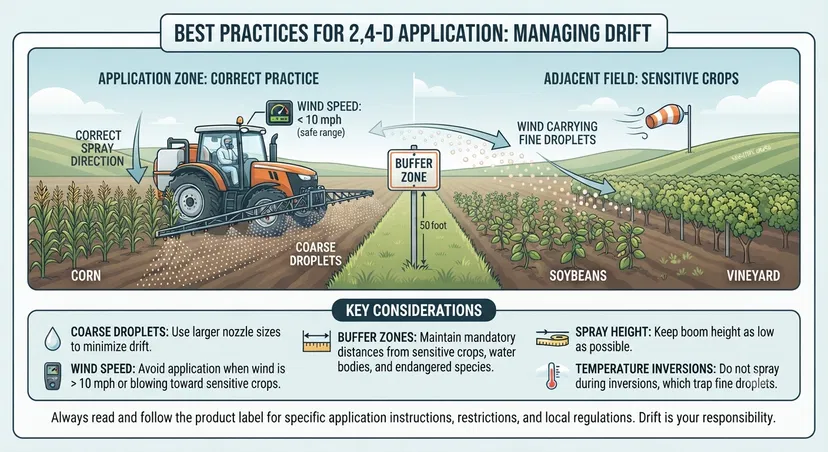
3. Never Spray on Windy Days
Drift can damage nearby crops, plants, and non-target vegetation. Apply only when weather conditions are calm and suitable for spraying.
4. Do Not Allow Spray to Contact Desirable Plants
Since Paraquat is non-selective, even small amounts can injure useful crops, ornamentals, or trees. Use directed spraying or shielded equipment when necessary.
5. Follow Label Instructions Exactly
Always read and follow the product label for:
- Mixing rates
- Application timing
- Target weeds
- Re-entry intervals
- Harvest restrictions
- Local legal requirements
The label is the official guide for safe and effective use.
6. Store Securely and Separately
Keep Paraquat in its original container, tightly closed, and stored in a locked, dry, well-ventilated area away from food, feed, seeds, and children. Never transfer it into drink bottles or unmarked containers.
7. Keep Out of Reach of Children and Animals
Because of its toxicity, accidental exposure can be extremely dangerous. Secure storage and careful handling are essential at all times.
Application Tips for Better Results
To get the best performance from Paraquat Dichloride 24% SL, follow these practical tips:
- Spray young, actively growing weeds for faster control.
- Use clean water and properly calibrated equipment.
- Ensure thorough, even coverage of weed foliage.
- Avoid spraying stressed, dusty, or overly mature weeds when possible.
- Rotate with other weed management tools to reduce resistance pressure.
Good application practices not only improve results but also reduce waste and safety risks.
Resistance Management Considerations
Repeated use of the same herbicide mode of action can lead to resistant weed populations. To help manage resistance, use Paraquat as part of an integrated weed control program. Combine chemical control with cultural, mechanical, and rotational strategies whenever possible.
- Rotate herbicides with different modes of action
- Use crop rotation where applicable
- Control weeds early before they set seed
- Maintain field hygiene and prevent weed spread
Environmental and Regulatory Responsibility
Paraquat use is subject to strict regulations in many areas because of its toxicity. Users should always check local laws, training requirements, and permitted uses before application. Responsible use protects workers, communities, crops, and the environment.
Careless handling, over-application, or misuse can create serious risks. That is why education, supervision, and compliance are just as important as the product itself.
Conclusion
Paraquat Dichloride 24% SL is a powerful herbicide for rapid weed control in agricultural and non-crop settings. Its speed, broad-spectrum activity, and usefulness in pre-plant and no-till systems make it a valuable tool when used correctly. At the same time, its high toxicity means safety precautions are non-negotiable.
If you plan to use Paraquat Dichloride 24% SL, focus on proper training, protective gear, accurate application, and strict label compliance. Used responsibly, it can be an effective part of a professional weed management program. Used carelessly, it can be dangerous. Always prioritize safety, precision, and environmental responsibility.