Fertilizer efficiency matters more than ever, and nano urea is quickly becoming a game-changer in modern agriculture. Designed to deliver nitrogen more effectively, nano urea offers farmers a smarter way to nourish crops while reducing waste, improving uptake, and supporting sustainable farming practices. If you’ve heard the term but aren’t sure how it works or how to apply it, this guide breaks it down in simple terms.
What Is Nano Urea?
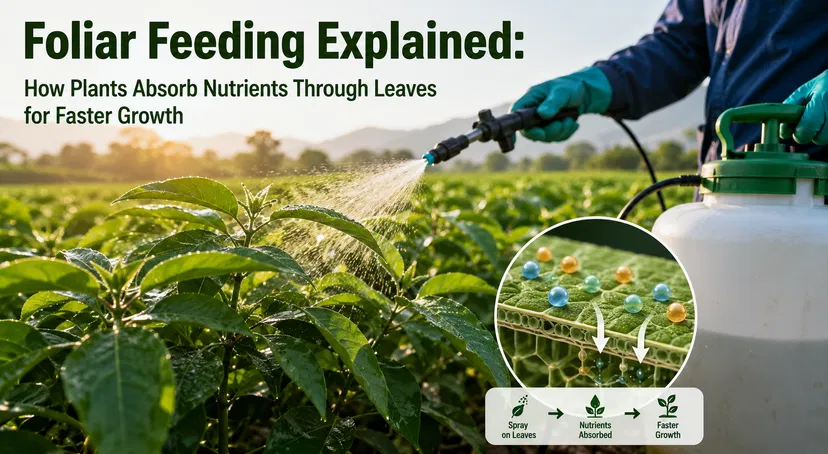
Nano urea is a liquid fertilizer that contains nitrogen in nano-sized particles. Unlike conventional urea, which is often applied to soil in granules, nano urea is typically sprayed on the leaves and absorbed through the plant’s stomata and cuticle. Its ultra-small particle size helps improve nutrient absorption and reduces the amount of nitrogen lost to leaching, volatilization, and runoff.
In simple terms: nano urea is designed to help plants get more of the nitrogen they need with less waste.
How Nano Urea Works
Nitrogen is one of the most important nutrients for plant growth. It supports leaf development, chlorophyll production, and overall vegetative growth. However, traditional nitrogen fertilizers can be inefficient because a large portion may not reach the plant roots or may be lost before crops can use it.
Nano urea works differently. When sprayed on leaves, the tiny particles enter plant tissue more efficiently and are gradually utilized by the crop. This foliar delivery method helps plants absorb nitrogen directly, especially during critical growth stages.
Key benefits of how nano urea works:
- Improved nutrient use efficiency: More nitrogen reaches the plant instead of being lost.
- Faster absorption: Foliar application allows quick uptake through leaves.
- Reduced environmental impact: Less nitrogen runoff and soil contamination.
- Supports crop growth: Helps improve leaf color, vigor, and vegetative development.
“The goal of nano urea is not just to feed crops, but to feed them more precisely.”
Why Farmers Are Interested in Nano Urea
Farmers are increasingly looking for fertilizers that are efficient, affordable, and environmentally responsible. Nano urea has attracted attention because it can potentially reduce dependence on high volumes of conventional urea while still supporting strong crop performance.
Some of the main reasons farmers are adopting nano urea include:
- Lower fertilizer wastage: Better absorption means less product is needed.
- Convenient application: Easy to spray using standard equipment.
- Improved crop management: Useful as a supplemental nitrogen source.
- Sustainability: Helps support more efficient nutrient management.
How to Use Nano Urea
Using nano urea correctly is essential to get the best results. Since it is typically applied as a foliar spray, timing and technique matter. Always follow the instructions on the product label, as formulations may vary by brand and region.
General application steps
- Shake the bottle well: Ensure the contents are properly mixed before use.
- Dilute as recommended: Mix the correct amount with clean water according to label directions.
- Use a sprayer: Apply evenly over the crop canopy for better leaf coverage.
- Spray during cooler hours: Early morning or late afternoon is usually best to reduce evaporation.
- Avoid rain: Do not spray before expected rainfall, as it may wash off the product.
Best practices for application
- Apply during active crop growth stages when nitrogen demand is high.
- Use clean water to avoid clogging or chemical incompatibility.
- Do not overapply; more is not always better.
- Test on a small area first if you are using nano urea for the first time.
When to Apply Nano Urea
The best timing depends on the crop, climate, and growth stage. In many cases, nano urea is used as a supplemental nitrogen source during important vegetative phases. It may be especially useful when crops show signs of nitrogen deficiency, such as pale leaves or slow growth.
Common timing considerations include:
- Early vegetative growth
- Pre-flowering stages for certain crops
- Periods of rapid leaf and stem development
- After stress, when plants need support to recover
Advantages of Nano Urea Over Conventional Urea
Traditional urea remains widely used, but nano urea offers several advantages when used correctly as part of an integrated nutrient management plan.
- More targeted delivery: Sprayed directly on leaves for efficient uptake.
- Less nitrogen loss: Reduced volatilization and leaching compared to soil-applied urea.
- Smaller dose requirement: A little can go a long way when used as intended.
- Better environmental profile: Supports lower nutrient pollution.
That said, nano urea is generally not a complete replacement for all conventional nitrogen inputs. It works best as part of a balanced fertilization strategy.
Limitations to Keep in Mind
While nano urea offers promising benefits, it is not magic. Results can vary depending on crop type, weather conditions, application timing, and overall farm management.
Important limitations include:
- It may not fully replace soil-applied nitrogen in all farming systems.
- Incorrect spraying can reduce effectiveness.
- Performance may vary across crops and field conditions.
- It should be used as part of a broader nutrient plan, not in isolation.
Safety and Storage Tips
To maintain product quality and ensure safe use, handle nano urea carefully. Store it in a cool, dry place away from direct sunlight. Keep the container sealed when not in use and out of reach of children and animals.
When applying, wear appropriate protective gear if recommended on the label. Avoid spraying in strong winds to minimize drift and ensure even coverage.
Conclusion
Nano urea is an innovative fertilizer designed to improve nitrogen efficiency, support healthier crop growth, and reduce nutrient losses. By understanding how nano urea works and how to use it properly, farmers can make more informed decisions about crop nutrition and sustainability.
If you want better fertilizer efficiency and a more precise approach to nitrogen management, nano urea is worth exploring. Start by following product guidelines, applying at the right growth stage, and using it as part of a balanced fertilization plan for the best results.