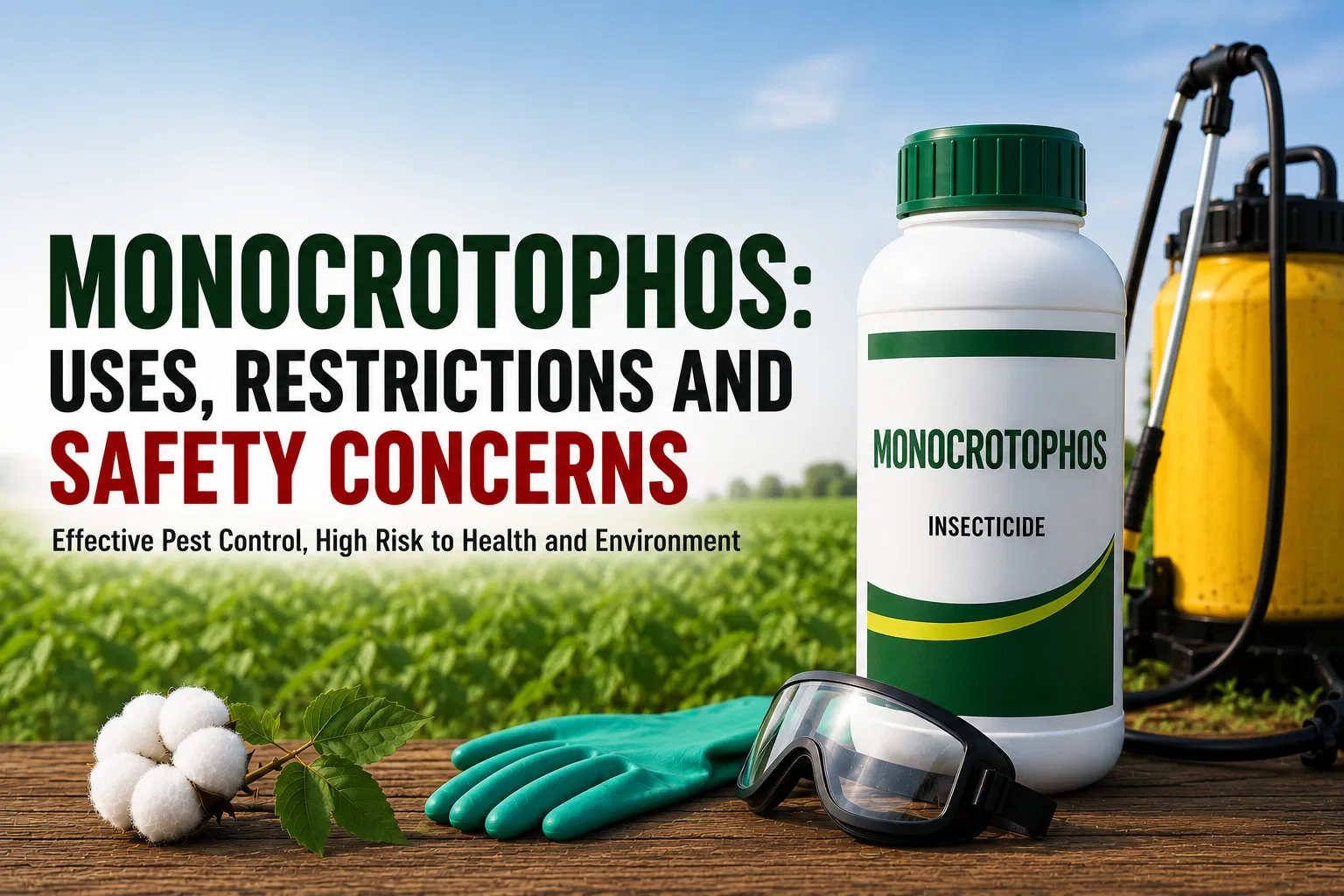
Monocrotophos is a highly toxic organophosphate insecticide that has been used to control a wide range of agricultural pests. While it has been effective in protecting crops, it is also one of the most controversial pesticides in the world because of its severe health risks, environmental impact, and strict regulatory restrictions in many countries. If you are researching monocrotophos uses, restrictions, and safety concerns, it is essential to understand both its agricultural value and the dangers associated with handling or exposure.
What Is Monocrotophos?
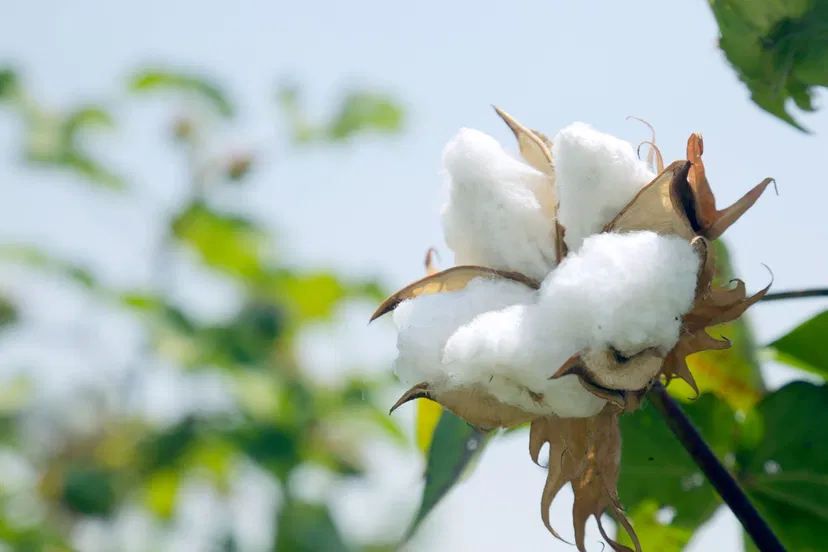
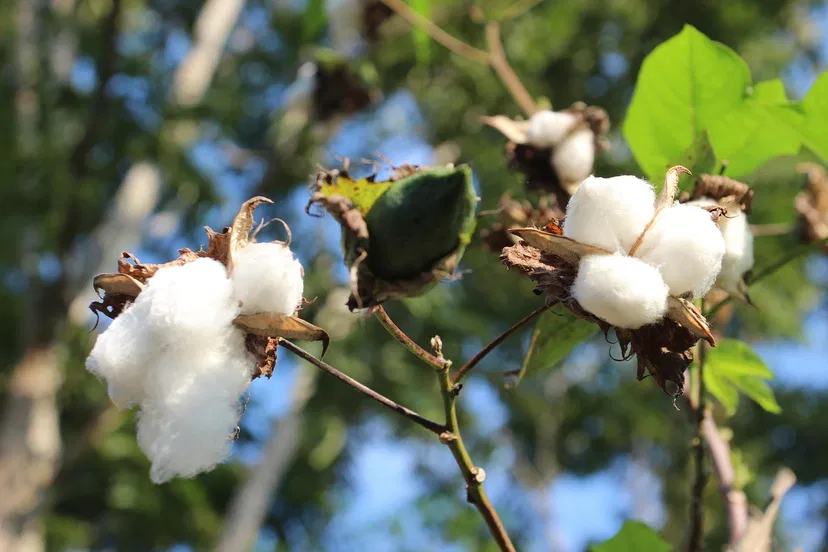
Monocrotophos is a systemic insecticide and acaricide designed to kill insects that feed on crops such as cotton, rice, sugarcane, and vegetables. As an organophosphate, it works by disrupting the nervous system of pests, leading to paralysis and death. Because it acts quickly and can protect plants from serious damage, monocrotophos was widely used in farming for decades.
However, its effectiveness comes with a major downside: monocrotophos is extremely hazardous to humans, animals, and beneficial insects. Even small amounts can cause poisoning if inhaled, ingested, or absorbed through the skin. This has led many governments and agricultural authorities to limit, restrict, or ban its use altogether.
Common Uses of Monocrotophos
Historically, monocrotophos has been applied to control a variety of agricultural pests. Its main uses included the management of sucking and chewing insects that damage crops and reduce yield.
1. Crop Protection
Monocrotophos has been used on crops such as:
- Cotton
- Rice
- Sugarcane
- Groundnuts
- Cereals
- Vegetables
It helps control pests like aphids, jassids, whiteflies, mites, and certain caterpillars that feed on leaves, stems, and sap.
2. Pest Control in Agriculture
Farmers have used monocrotophos to reduce pest outbreaks during critical growth stages of crops. In some regions, it was valued because it could protect large harvests when pest pressure was high.
3. Systemic Action
Because monocrotophos is systemic, plants absorb it and distribute it through their tissues. This made it useful against pests that were difficult to reach with contact sprays alone. However, this same property also raises food safety concerns, especially when residues remain in edible plant parts.
Why Monocrotophos Is Restricted
Monocrotophos restrictions exist because the risks often outweigh the benefits. International agencies and national regulators have classified it as highly hazardous due to its acute toxicity and potential for serious poisoning incidents.
Health Hazards
Exposure to monocrotophos can cause a range of symptoms, including:
- Headache
- Dizziness
- Nausea
- Vomiting
- Blurred vision
- Excessive sweating
- Muscle weakness
- Difficulty breathing
- Seizures in severe cases
In high enough doses, monocrotophos poisoning can be fatal. Farmers, pesticide applicators, and workers who handle it without proper protection are at the greatest risk.
Environmental Concerns
Monocrotophos is also dangerous to wildlife. It can harm birds, bees, fish, and other non-target organisms. Pollinators are especially vulnerable, and contamination can reduce biodiversity in agricultural ecosystems. Runoff into water sources can also pose a threat to aquatic life.
Food Safety Issues
Since monocrotophos can leave residues on crops, regulators worry about contaminated food entering the supply chain. This has led to strict maximum residue limits in some countries and complete bans in others.
Global Restrictions on Monocrotophos
The legal status of monocrotophos varies by country, but it is widely restricted. Many nations have phased it out because safer alternatives are available.
Countries With Bans or Severe Limits
Several countries have banned monocrotophos in agriculture or prohibited most uses due to its toxicity. Others only allow it under tightly controlled conditions or for limited crops.
Regulatory Reasons
Authorities restrict monocrotophos because of:
- High acute toxicity to humans and animals
- Risk of accidental poisoning
- Potential for misuse or improper handling
- Residue concerns in food products
- Damage to beneficial insects and ecosystems
For farmers and distributors, it is critical to check local pesticide laws before purchasing, storing, or applying monocrotophos. Regulations can change, and non-compliance may lead to legal penalties.
Safety Concerns When Handling Monocrotophos
Because monocrotophos is highly toxic, safe handling practices are absolutely essential. Even trained applicators must take precautions to reduce the risk of exposure.
Personal Protective Equipment
Anyone handling monocrotophos should use appropriate protective gear, including:
- Gloves resistant to chemicals
- Protective clothing with long sleeves and long pants
- Boots
- Eye protection
- Respiratory protection when required
Safe Storage
Monocrotophos must be stored in a locked, clearly labeled container away from food, feed, children, and animals. It should never be transferred to unmarked bottles or household containers.
Application Precautions
To reduce exposure risks, applicators should:
- Follow label instructions exactly
- Avoid spraying in windy conditions
- Keep people and animals away from treated areas
- Wash hands and exposed skin after use
- Never eat, drink, or smoke while handling pesticides
Emergency Response
If monocrotophos exposure occurs, immediate action is necessary. Remove contaminated clothing, wash the affected skin thoroughly with water, and seek emergency medical attention right away. In cases of swallowing or inhalation, urgent treatment can be lifesaving.
Important: Monocrotophos poisoning is a medical emergency. Rapid treatment is critical, and delays can increase the risk of serious complications or death.
Safer Alternatives to Monocrotophos
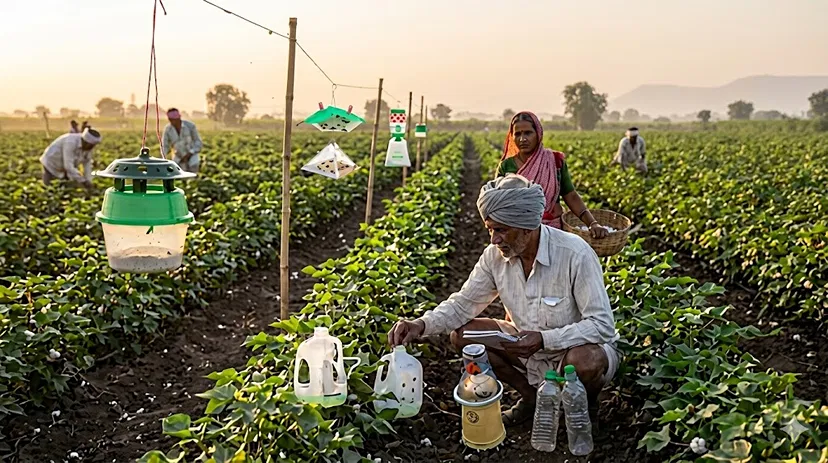
Because of its risk profile, many growers are shifting to safer pest management options. Integrated Pest Management, or IPM, is often the best long-term strategy for reducing pest damage without relying on highly toxic chemicals.
Alternative Approaches
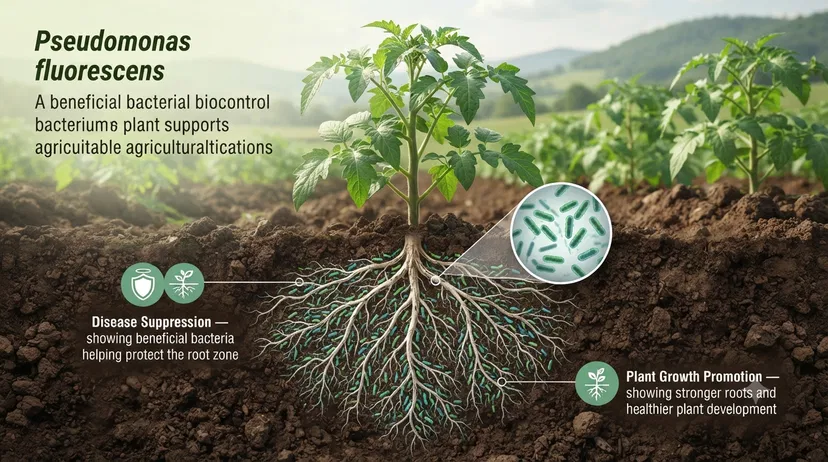
- Biological control using natural predators
- Selective pesticides with lower toxicity
- Crop rotation
- Resistant crop varieties
- Monitoring pest thresholds before spraying
- Improved field sanitation and pest prevention
These methods can reduce dependence on hazardous chemicals while supporting healthier farms, safer food, and more sustainable agricultural practices.
Key Takeaways on Monocrotophos
Monocrotophos has been used to control destructive crop pests, but its severe toxicity has made it one of the most restricted pesticides in modern agriculture. The main concerns include human poisoning, environmental harm, and food residue risks. For these reasons, many countries have banned or tightly controlled its use.
If you are a farmer, applicator, retailer, or researcher, the most important step is to understand your local regulations and prioritize safety at every stage. In many cases, safer alternatives can provide effective pest control with far less risk.
Conclusion
Monocrotophos remains a powerful example of why pesticide safety matters. While it can protect crops, the risks to people, animals, and ecosystems are significant enough that its use is increasingly limited worldwide. Before using or recommending monocrotophos, always review legal restrictions, follow strict safety protocols, and consider safer pest management options whenever possible. In agriculture, effective pest control should never come at the cost of human health or environmental safety.