When farmers think about higher yields, nitrogen, phosphorus, and potassium often get most of the attention. But the real difference between average performance and exceptional harvests can come from something much smaller: micronutrients in agriculture. These hidden yield boosters may be needed in tiny amounts, yet they play a massive role in crop growth, nutrient uptake, resistance to stress, and overall soil health.
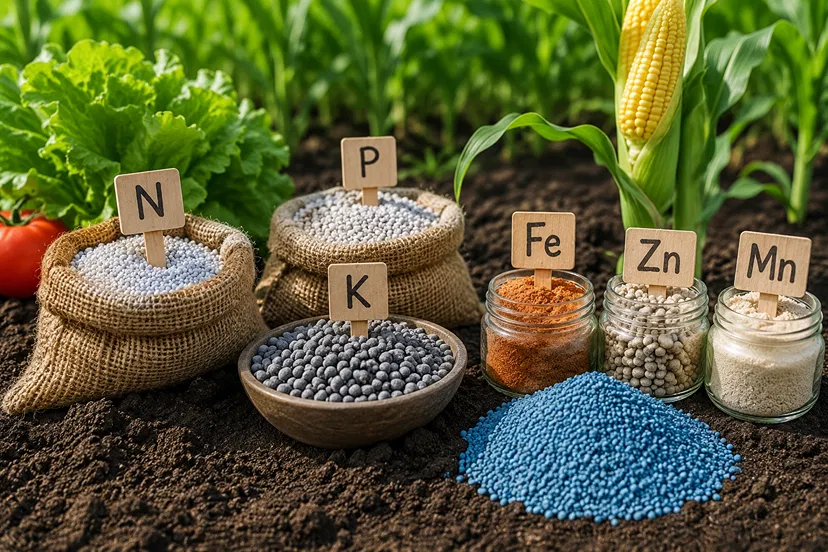
In modern farming, micronutrient deficiencies are becoming more common as soils are intensively cultivated, crop yields rise, and weather patterns become less predictable. If your crops are not reaching their full potential, the issue may not be a lack of major nutrients alone. It could be a shortage of essential trace elements such as zinc, boron, iron, manganese, copper, molybdenum, and chlorine.
What Are Micronutrients in Agriculture?
Micronutrients are essential plant nutrients required in very small quantities, but they are critical for healthy crop development. Unlike macronutrients, which plants need in larger amounts, micronutrients act as catalysts in key physiological processes.
These nutrients support:
- Enzyme activation
- Photosynthesis
- Root development
- Flowering and fruit set
- Nutrient transport
- Stress tolerance
Even a slight deficiency can reduce yield, quality, and profitability. That is why micronutrient management is now an important part of precision agriculture and sustainable farming.
The Most Important Micronutrients and Their Roles
Zinc
Zinc is one of the most commonly deficient micronutrients in agricultural soils. It is essential for hormone production, internode elongation, and enzyme function. Zinc deficiency often leads to stunted plants, shortened leaves, and poor grain development.
Boron
Boron supports cell wall formation, pollen viability, and fruit and seed development. Crops like canola, sunflower, cotton, and many fruits are highly sensitive to boron shortages. Because boron has a narrow range between deficiency and toxicity, careful application is important.
Iron
Iron is vital for chlorophyll formation and energy transfer within the plant. Deficiency usually appears as yellowing between leaf veins, especially in young leaves. It is more common in high-pH soils where iron becomes less available.
Manganese
Manganese helps with photosynthesis, nitrogen metabolism, and enzyme activity. It is often limited in sandy soils or alkaline conditions. Crops with manganese deficiency may show mottled leaves and reduced vigor.
Copper
Copper is involved in reproductive growth, lignin formation, and disease resistance. Deficiency can reduce tillering in cereals and weaken stems. Although needed in tiny amounts, copper is essential for strong structural development.
Molybdenum
Molybdenum is especially important for nitrogen fixation and nitrate reduction. Legumes are particularly dependent on it because it supports the bacteria that convert atmospheric nitrogen into a form plants can use.
Why Micronutrient Deficiencies Are Increasing
Micronutrient deficiencies are becoming more common for several reasons. Intensive cropping removes more nutrients from the soil over time, while modern high-yield varieties demand more from the land. At the same time, soil pH imbalances, erosion, organic matter loss, and reduced crop rotation diversity can all limit micronutrient availability.
Other contributing factors include:
- Overuse of high-analysis NPK fertilizers without trace element replenishment
- Soil alkalinity or acidity that locks nutrients in unavailable forms
- Low organic matter, which reduces nutrient retention
- Dry conditions that limit nutrient movement to roots
- Compaction that restricts root access to nutrients
As a result, crops may look healthy at first glance but still suffer from hidden hunger, where nutrient deficiencies reduce performance before visible symptoms appear.
How Micronutrients Improve Crop Yield
Micronutrients in agriculture do much more than prevent deficiency symptoms. They directly support the processes that drive yield formation. When supplied in the right amounts, these trace elements help crops use water and macronutrients more efficiently, improve flowering and pollination, and increase resistance to drought, heat, and disease.
Strong yield starts with balanced nutrition. Even the best macronutrient program can underperform if micronutrients are missing.
Here is how micronutrients contribute to better yield outcomes:
- Improved root growth: healthier roots absorb water and nutrients more effectively
- Better chlorophyll production: more efficient photosynthesis leads to stronger biomass development
- Enhanced flowering and fruit set: especially important in fruit crops, oilseeds, and legumes
- Greater nutrient use efficiency: plants make better use of applied fertilizers
- Increased stress tolerance: crops handle heat, drought, and disease pressure better
Common Signs of Micronutrient Deficiency
Recognizing deficiency symptoms early can prevent major yield losses. However, symptoms vary by crop and nutrient, so soil and tissue testing is always the most reliable approach.
Some common signs include:
- Yellowing of young leaves: often linked to iron or manganese deficiency
- Stunted growth: commonly caused by zinc deficiency
- Weak stems or poor reproductive development: may indicate boron or copper issues
- Poor nodulation in legumes: often related to molybdenum deficiency
- Leaf distortion or dieback: can be associated with boron or copper shortages
Because deficiency symptoms can look similar to disease, herbicide injury, or environmental stress, proper diagnosis is essential before treatment.
How to Manage Micronutrients Effectively
Successful micronutrient management begins with understanding the soil, the crop, and the local growing conditions. A one-size-fits-all approach rarely works. Instead, farmers should combine testing, targeted application, and ongoing monitoring.
1. Start with Soil and Tissue Testing
Testing helps identify which micronutrients are deficient and whether the problem is related to soil pH, availability, or actual low supply. Tissue testing is especially useful during the growing season because it shows what the plant is currently absorbing.
2. Apply the Right Source
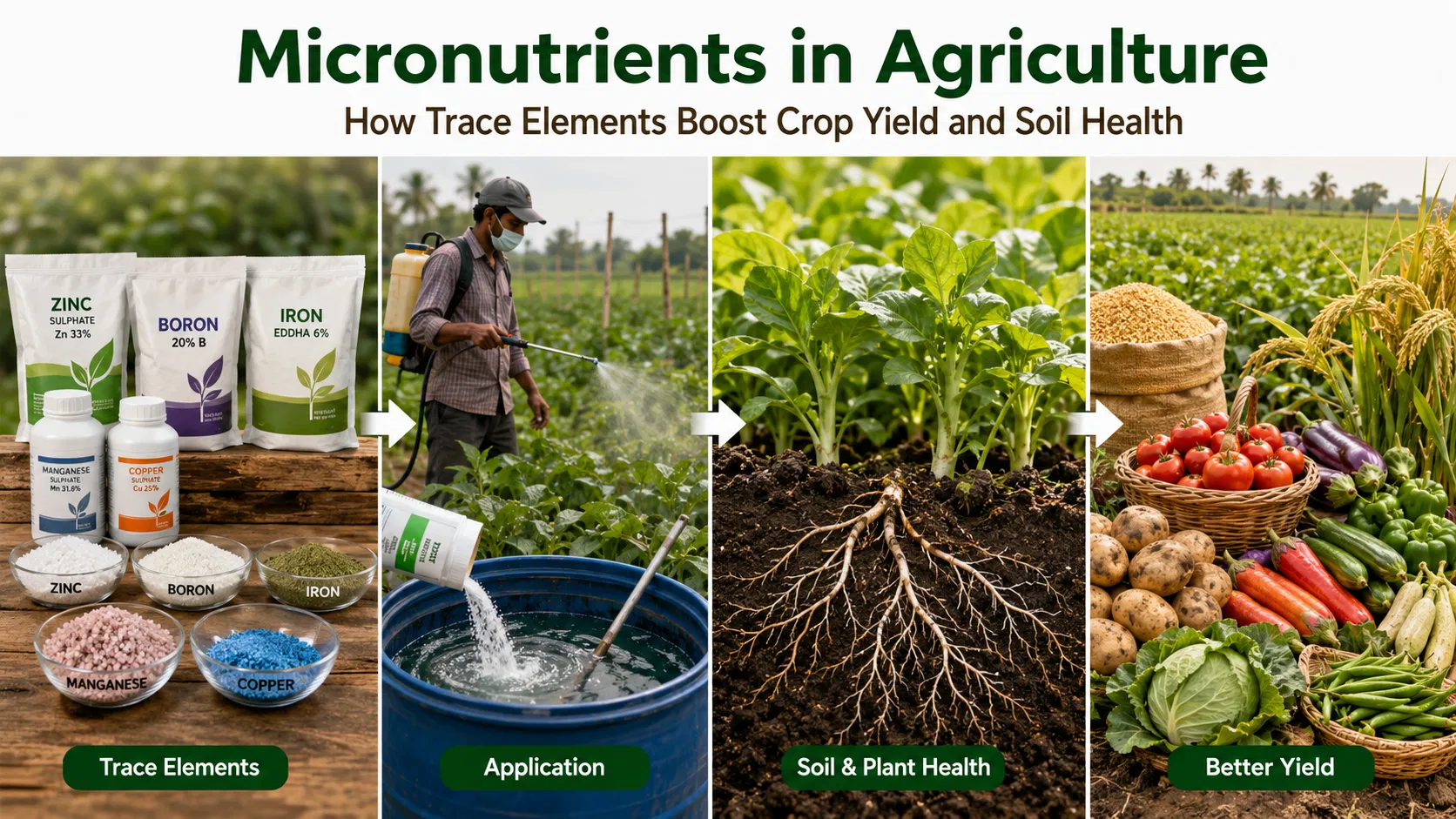
Micronutrients are available in several forms, including sulfates, chelates, oxides, and foliar sprays. The best choice depends on soil type, crop stage, and environmental conditions. For example, chelated iron may work better in high-pH soils, while foliar zinc can provide a quick correction during active growth.
3. Use Balanced Fertilization
Micronutrients should complement, not replace, a strong macronutrient program. Balanced fertilization supports overall soil fertility and reduces the risk of hidden nutrient interactions that limit crop response.
4. Consider Foliar Applications
Foliar feeding can be an effective way to correct deficiencies quickly, especially when root uptake is limited by dry soil, compaction, or pH-related problems. It is often used as a short-term fix and part of a broader nutrient strategy.
5. Maintain Healthy Soil Conditions
Good soil structure, adequate organic matter, proper pH, and reduced erosion all improve micronutrient availability. Practices such as cover cropping, residue retention, and compost use can also support long-term fertility.
Micronutrients and Sustainable Agriculture
Micronutrient management is not just about maximizing yield. It is also central to sustainable agriculture. When crops are nutritionally balanced, they use resources more efficiently, require fewer corrective inputs, and are better able to withstand environmental stress. This leads to stronger productivity with less waste.
In regenerative and precision farming systems, micronutrients help close the gap between soil fertility and crop demand. They support healthier plants, improved harvest quality, and more resilient farming operations over time.
Final Thoughts
Micronutrients in agriculture may be needed in small amounts, but their impact on crop yield, plant health, and soil performance is anything but small. If you want to unlock hidden yield potential, it is time to look beyond the primary nutrients and pay attention to the trace elements that keep crops performing at their best.
Start by testing your soil, evaluating crop symptoms carefully, and building a balanced nutrition plan that includes essential micronutrients. In many fields, these hidden yield boosters are the missing piece between good results and exceptional ones.
Healthy crops begin with complete nutrition. Make micronutrients part of your fertility strategy and give your crops the support they need to thrive.