Marigold cultivation has become one of the most reliable and profitable flower farming businesses for small and large growers alike. With its bright color, wide market demand, low investment needs, and quick harvest cycle, marigold offers excellent income potential throughout the year. Whether grown for garlands, religious offerings, landscaping, or cut flowers, this versatile crop continues to attract farmers looking for consistent returns from limited land.
Why Marigold Is a Profitable Flower Crop
Marigold is valued for its adaptability and strong market demand. It grows well in a wide range of climates and soil types, making it suitable for many farming regions. The crop is popular in festivals, weddings, temples, and floral decorations, which creates a steady and often seasonal spike in demand.
Another major advantage is the short duration of the crop. Depending on the variety, marigold can begin flowering within 45 to 60 days after transplanting. This fast turnaround allows farmers to generate income quickly and even plan multiple harvests in a year.
Marigold farming is profitable because it combines low input costs, high local demand, and frequent harvesting opportunities.
Ideal Climate and Soil for Marigold Cultivation
Marigold grows best in moderate temperatures and full sunlight. It performs well in warm conditions but does not tolerate extreme frost. A temperature range of 18°C to 30°C is generally ideal for healthy growth and abundant flowering.
Soil plays an important role in flower quality and yield. Marigold prefers well-drained sandy loam or loamy soil rich in organic matter. The ideal soil pH is between 6.0 and 7.5. Waterlogging should be avoided because it can damage roots and reduce flowering.
- Climate: Warm and sunny
- Soil type: Sandy loam or loamy soil
- pH range: 6.0 to 7.5
- Water requirement: Moderate, with proper drainage
Popular Marigold Varieties
Choosing the right variety depends on your market and purpose. Some varieties are better suited for loose flowers, while others are preferred for garlands and ornamental use. The two most common types are African marigold and French marigold.
African Marigold
African marigold plants are tall, vigorous, and produce large flower heads. They are widely used in commercial cultivation because of their high yield and attractive appearance. The flowers are commonly yellow or orange and are popular in religious and decorative markets.
French Marigold
French marigold plants are shorter and bushier, producing smaller but numerous blooms. They are often grown for landscaping, pots, borders, and mixed floral arrangements. Their compact growth makes them suitable for intensive planting.
Land Preparation and Planting
Proper land preparation improves plant establishment and flower production. The field should be plowed thoroughly and made into fine tilth. Remove weeds, stones, and crop residue before planting. Incorporating well-decomposed farmyard manure or compost helps improve soil fertility and moisture retention.
Marigold is usually propagated through seeds. Seeds can be sown in nursery beds or trays and transplanted after 3 to 4 weeks when seedlings are strong enough. Transplanting during the evening or on cloudy days helps reduce transplant shock.
Planting Steps
- Prepare the field with proper plowing and leveling.
- Mix organic manure into the soil.
- Sow seeds in nursery beds or seed trays.
- Water lightly and keep the nursery moist.
- Transplant healthy seedlings into the main field.
- Maintain recommended spacing based on variety.
Spacing is important for air circulation and flower size. For African marigold, wider spacing is preferred, while French marigold can be planted more densely.
Irrigation and Nutrient Management
Marigold requires regular watering, especially during the early growth stage and flowering period. However, too much water can cause root problems and reduce plant health. Light and frequent irrigation is better than heavy watering.
Balanced nutrition supports strong vegetative growth and better flower production. Organic manure can be supplemented with chemical fertilizers based on soil test recommendations. Nitrogen promotes leaf growth, phosphorus supports root development, and potassium improves flower quality and disease tolerance.
- Initial nutrient input: Compost or farmyard manure
- Growth stage support: Nitrogen-rich fertilizer in moderation
- Flowering stage support: Higher potassium and phosphorus
Weed, Pest, and Disease Management
Weed control is essential during the early stages of crop growth because weeds compete for nutrients, water, and light. Hand weeding and light hoeing are commonly used in marigold fields. Mulching can also help suppress weeds and conserve moisture.
Common pests include aphids, thrips, and mites. These pests can affect flower quality and reduce yield if not controlled early. Diseases such as damping-off, leaf spot, and powdery mildew may also appear under humid or poorly managed conditions.
Good cultural practices are the first line of defense. Healthy seedlings, crop rotation, proper spacing, and avoiding overwatering can reduce many problems. When necessary, use recommended pest and disease control measures based on local agricultural guidance.
Key Prevention Tips
- Use disease-free seeds and seedlings
- Keep the field clean and weed-free
- Avoid excess irrigation
- Ensure proper spacing and air circulation
- Monitor plants regularly for early signs of infestation
Harvesting Marigold Flowers
Marigold flowers should be harvested at the right stage for maximum freshness and market value. Loose flowers are usually picked when they are fully open, while flowers meant for garlands may be harvested at a slightly earlier stage depending on market preference.
Harvesting is best done in the early morning or late evening when temperatures are cooler. Careful handling is important to avoid bruising the petals. Frequent harvesting encourages more blooms and helps maintain consistent quality.
Post-Harvest Handling and Marketing
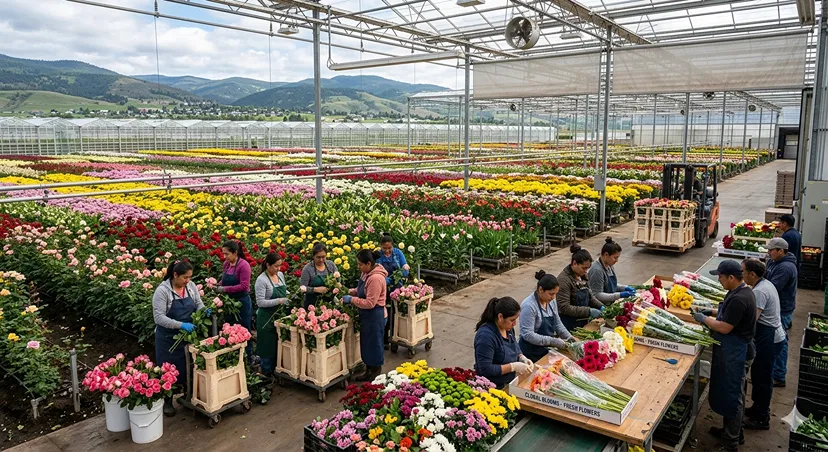
After harvest, flowers should be sorted by size, color, and quality. Remove damaged or diseased blooms immediately. Proper grading helps fetch better prices in the market.
Marigold flowers have multiple selling channels, including wholesale markets, local vendors, flower retailers, event decorators, temple supply chains, and direct farm-to-customer sales. Farmers who package and supply flowers regularly often gain stronger market relationships and better margins.
Demand tends to rise during festivals, wedding seasons, and religious occasions. Planning production to match these peaks can significantly improve profitability.
Profit Potential in Marigold Farming
Marigold farming can be highly profitable when managed efficiently. The crop requires relatively low initial investment compared with many other commercial crops. Seeds are affordable, the crop cycle is short, and the market is broad and dependable.
Profit depends on variety selection, planting time, yield, quality, and access to buyers. Farmers who produce flowers with uniform size, bright color, and strong shelf life often secure better prices. Value can also be added through bundling, garlands, and direct marketing.
The real strength of marigold cultivation lies in its ability to generate quick cash flow with manageable risk.
Conclusion
Marigold cultivation is an excellent choice for farmers seeking a profitable flower crop with strong market demand and low production costs. Its fast growth, wide adaptability, and consistent seasonal sales make it a smart option for both new and experienced growers.
With proper soil preparation, careful irrigation, balanced nutrition, and timely harvesting, marigold farming can deliver impressive returns. If you are looking for a flower crop that offers beauty, demand, and income, marigold deserves a place in your farming plan.
Start small, manage wisely, and scale as you learn—the opportunity in marigold cultivation is brighter than ever.