When a crop looks weak, yellow, stunted, or simply underperforming, the first question is often the same: what is it missing? The answer usually comes down to one of two groups of plant nutrients: macronutrients and micronutrients. Both are essential, both matter, and both can make the difference between average yields and a thriving harvest.
Understanding macronutrients vs micronutrients is one of the most important steps in smart crop nutrition. While macronutrients are needed in larger amounts, micronutrients are just as vital in smaller doses. Miss either one, and your crops may not reach their full potential.
What Are Macronutrients?
Macronutrients are the nutrients plants need in relatively large amounts to support growth, development, and production. They form the backbone of plant health and are usually the first nutrients farmers focus on in a fertilization plan.
The primary macronutrients are:
- Nitrogen (N)
- Phosphorus (P)
- Potassium (K)
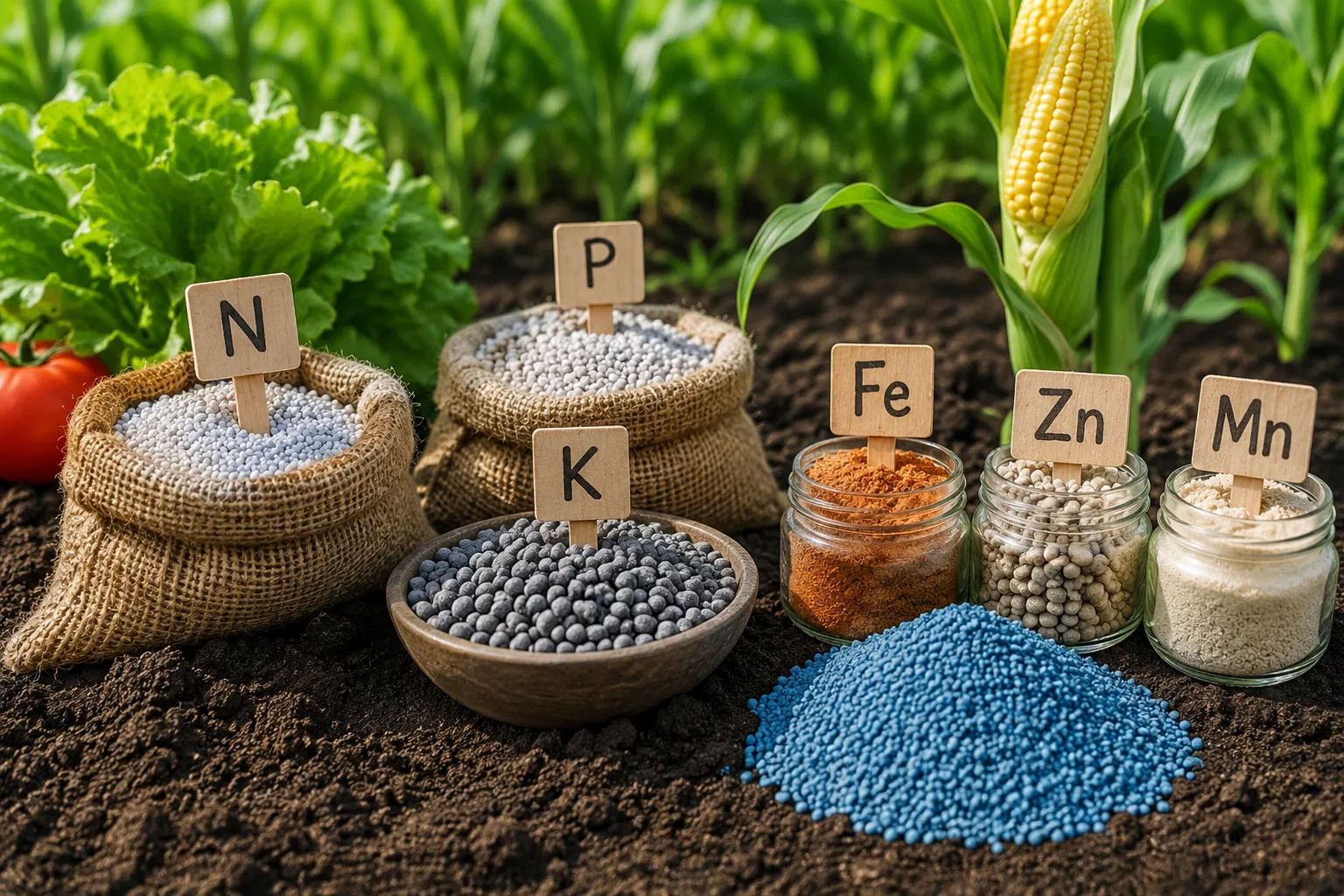
These are often called the N-P-K nutrients and appear on most fertilizer labels. Each one plays a specific role in plant growth:
- Nitrogen supports leafy growth and chlorophyll production.
- Phosphorus helps with root development, flowering, and energy transfer.
- Potassium improves water regulation, disease resistance, and overall plant vigor.
Secondary Macronutrients
In addition to the primary macronutrients, crops also need secondary macronutrients in moderate amounts:
- Calcium (Ca)
- Magnesium (Mg)
- Sulfur (S)
These nutrients support key functions such as cell structure, chlorophyll formation, and protein synthesis. They may be required in smaller amounts than N, P, and K, but they are still essential for healthy crop growth.
What Are Micronutrients?
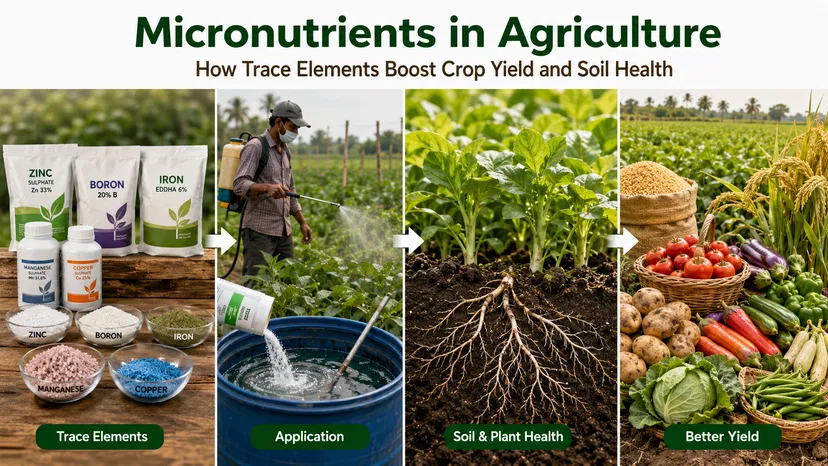
Micronutrients are essential plant nutrients needed in tiny amounts, but their role is enormous. Even though plants use them in much smaller quantities than macronutrients, deficiencies can quickly affect crop quality and yield.
The most important micronutrients include:
- Iron (Fe)
- Manganese (Mn)
- Zinc (Zn)
- Copper (Cu)
- Boron (B)
- Molybdenum (Mo)
- Chlorine (Cl)
- Nickel (Ni)
Micronutrients support processes like enzyme activation, chlorophyll production, pollination, cell wall formation, and nitrogen metabolism. Without them, plants may appear to be growing normally at first, but hidden deficiencies can reduce productivity over time.
Macronutrients vs Micronutrients: The Main Difference
The biggest difference between macronutrients and micronutrients is quantity, not importance. Crops need macronutrients in larger amounts and micronutrients in smaller amounts, but both are equally necessary for plant development.
Plants do not survive on “more” of one nutrient alone. They need the right balance of all essential nutrients to grow properly and produce well.
Think of macronutrients as the building materials and micronutrients as the tools that help make the construction possible. If one is missing, the whole system suffers.
Why Crops Need Both for Optimal Yield
A crop can have enough nitrogen to produce lush leaves, but still struggle if it lacks zinc or boron. In the same way, a soil may contain plenty of micronutrients, but poor macronutrient balance can still limit growth. Nutrition works as a system, not as separate pieces.
Here is why balance matters:
- Better growth: Macronutrients fuel the plant’s structure, while micronutrients keep internal processes running smoothly.
- Higher yields: Balanced nutrition supports flowering, fruit set, grain fill, and harvest quality.
- Improved resistance: Well-nourished crops are often more resilient to pests, disease, and stress.
- Efficient fertilizer use: Applying nutrients in proper balance prevents waste and improves return on investment.
Common Signs of Nutrient Deficiencies
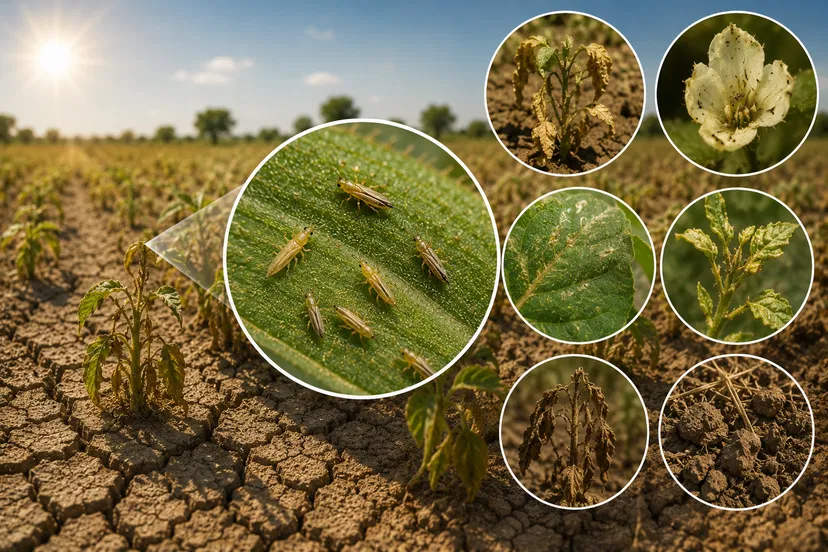
Recognizing deficiency symptoms early can help prevent major losses. While symptoms vary by crop, several signs are commonly associated with nutrient shortages.
Macronutrient Deficiency Symptoms
- Nitrogen deficiency: Pale green or yellow older leaves, slow growth, reduced vigor
- Phosphorus deficiency: Stunted plants, dark green or purplish leaves, weak root systems
- Potassium deficiency: Leaf edge scorching, poor disease tolerance, weak stems
- Calcium deficiency: Poor root and shoot growth, blossom-end rot in some crops
- Magnesium deficiency: Yellowing between leaf veins, especially on older leaves
- Sulfur deficiency: Uniform yellowing of younger leaves, similar to nitrogen deficiency but on new growth
Micronutrient Deficiency Symptoms
- Iron deficiency: Yellowing between veins on young leaves
- Zinc deficiency: Small leaves, shortened internodes, poor growth
- Boron deficiency: Poor flowering, fruit deformities, damaged growing points
- Manganese deficiency: Interveinal chlorosis and reduced photosynthesis
- Copper deficiency: Weak stems, reduced reproductive growth
Because many nutrient deficiency symptoms look similar, soil testing and plant tissue analysis are often the best way to confirm the problem.
What Your Crop Really Needs: Balance, Not Guesswork
The truth is simple: crops need a complete nutrient program, not just a strong fertilizer dose. Overapplying one nutrient can create imbalances that block the uptake of others. For example, too much potassium may interfere with magnesium uptake, while excessive phosphorus can reduce the availability of zinc and iron.
That is why successful crop nutrition depends on:
- Soil testing to understand what is already available
- Crop-specific nutrient planning based on growth stage and yield goals
- Regular monitoring of plant health and field conditions
- Targeted fertilizer application to correct shortages without creating excess
How Soil Type and pH Affect Nutrient Availability
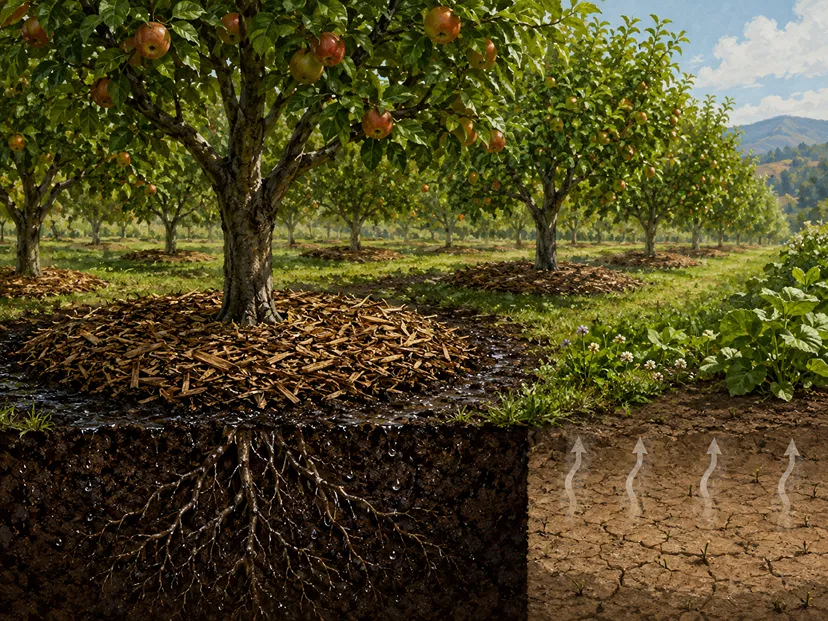
Even if nutrients are present in the soil, they are not always available to plants. Soil pH, texture, organic matter, and moisture levels all influence nutrient uptake.
For example:
- In very acidic or alkaline soils, some micronutrients may become unavailable.
- Sandy soils often lose nutrients faster and may require more frequent management.
- High organic matter can improve nutrient retention and microbial activity.
- Poor drainage can reduce root function and limit nutrient absorption.
This means crop nutrition should never rely on fertilizer alone. Soil conditions must support nutrient availability and root health for plants to use what is applied.
Practical Crop Nutrition Tips
If you want to improve crop performance, start with a strategy that considers both macronutrients and micronutrients:
- Test your soil regularly to identify deficiencies before planting.
- Use a balanced fertilizer program rather than focusing only on N-P-K.
- Watch crop symptoms closely during key growth stages.
- Apply micronutrients carefully because too much can be harmful.
- Adjust nutrition by crop type since each crop has unique demands.
- Consider foliar feeding when rapid correction is needed.
Good nutrient management is not about adding more inputs. It is about applying the right nutrients, in the right amounts, at the right time.
Conclusion: Give Crops the Full Nutrition They Need
Macronutrients and micronutrients are both essential to crop success. Macronutrients drive growth, structure, and yield, while micronutrients keep the plant’s internal systems functioning properly. When one group is missing, the crop cannot perform at its best.
If you want healthier plants, stronger roots, and better harvest results, focus on nutrient balance instead of isolated fixes. Start with soil testing, monitor crop needs, and build a nutrition plan that supports the whole plant from root to harvest.
The best yields come from complete nutrition. Give your crop everything it truly needs, and it will reward you with stronger growth and better performance.