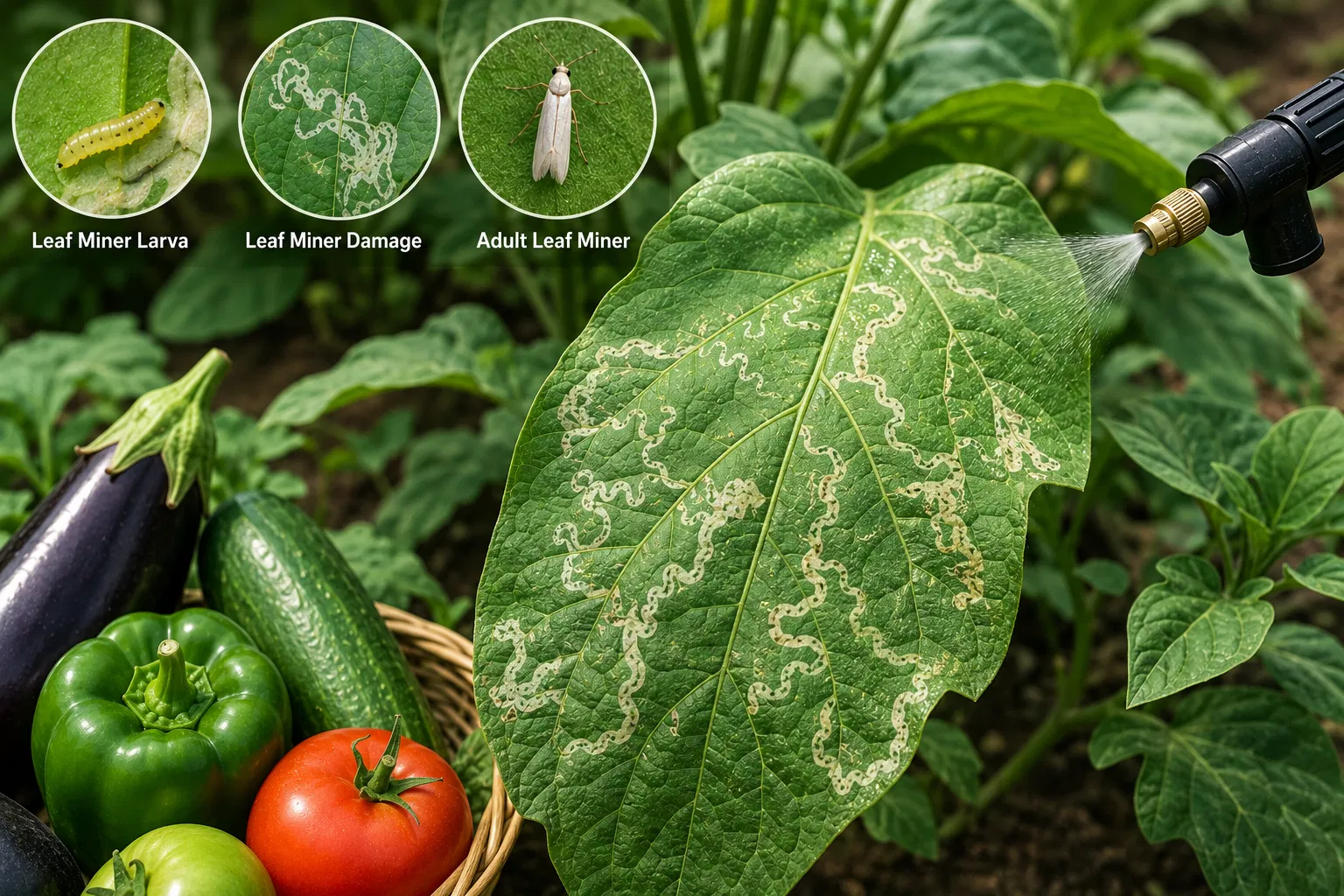
Few garden pests are as frustrating as leaf miners. One day your vegetable plants look healthy, and the next their leaves show winding, pale trails that seem to spread overnight. If you grow spinach, tomatoes, beans, cucumbers, beets, or other vegetables, knowing how to identify leaf miner damage early can save your crop from serious stress and yield loss.
This guide explains the symptoms of leaf miner infestation in vegetable crops, how to confirm the damage, and the most effective spray guide for leaf miner control. You’ll also learn practical prevention steps to reduce future outbreaks and protect your plants naturally and efficiently.
What Are Leaf Miners?
Leaf miners are not a single insect species. The term refers to larvae of several insects, including flies, moths, and beetles, that live and feed inside leaf tissue. As they tunnel between the upper and lower layers of the leaf, they create visible trails or blotches.
Because the larvae are protected inside the leaf, leaf miner control can be tricky. Contact sprays often miss the pest, so timing and product choice matter a lot.
Common Symptoms of Leaf Miner Damage in Vegetables
The earliest sign of leaf miners is usually small, light-colored trails on the leaves. As feeding continues, the damage becomes more visible and widespread.
1. Winding, white, or pale tunnels
The classic symptom is a thin, serpentine trail that looks like someone drew on the leaf with a white pencil. These tunnels are created as the larva feeds between leaf layers.
2. Blotchy patches or irregular mines
Some leaf miner species cause larger, blotch-like damage instead of narrow trails. This is common on crops like spinach, beet greens, and Swiss chard.
3. Yellowing around damaged areas
As feeding progresses, the tissue surrounding the mines may turn yellow or brown. Heavy infestations can make entire leaves look unhealthy.
4. Leaf curling or distortion
In some vegetables, especially younger plants, damaged leaves may curl, twist, or become distorted. This is a sign the plant is under stress.
5. Reduced plant vigor
Severe infestations can reduce photosynthesis, which weakens plant growth. You may notice stunted plants, reduced yield, or smaller leaves and fruits.
Tip: Leaf miner damage is mostly cosmetic when light, but repeated infestations on young or leafy vegetable crops can reduce harvest quality and plant performance.
Vegetable Crops Commonly Affected by Leaf Miners
Leaf miners can attack many vegetables, but some crops are especially vulnerable:
- Spinach
- Beets
- Swiss chard
- Tomatoes
- Peppers
- Beans
- Cucumbers
- Squash
- Lettuce
- Brassicas such as kale and cabbage
Leafy greens often show the damage first because their broad leaf surface makes the mines easy to spot and the cosmetic impact more obvious.
How to Confirm a Leaf Miner Infestation
Before spraying, make sure leaf miners are actually the problem. The damage can be confused with fungal leaf spots, nutrient deficiencies, or other pests.
Look for fresh trails
Fresh mines are usually pale and visible on the upper leaf surface. Older mines may turn tan or brown as dead tissue dries out.
Check for larvae inside the leaf
Hold a damaged leaf up to the light. You may be able to see the tiny larva inside the tunnel. In some cases, the larva can be found at the end of the mine.
Watch for small adult flies or moths
Adult leaf miners are often tiny and easy to miss. If you see repeated damage with no obvious chewing on the outside of the leaf, leaf miners are likely involved.
Inspect the newest growth
Leaf miners often prefer tender young leaves. Check the top and middle parts of the plant regularly, especially during warm weather when pest activity increases.
Best Spray Guide for Leaf Miner Control
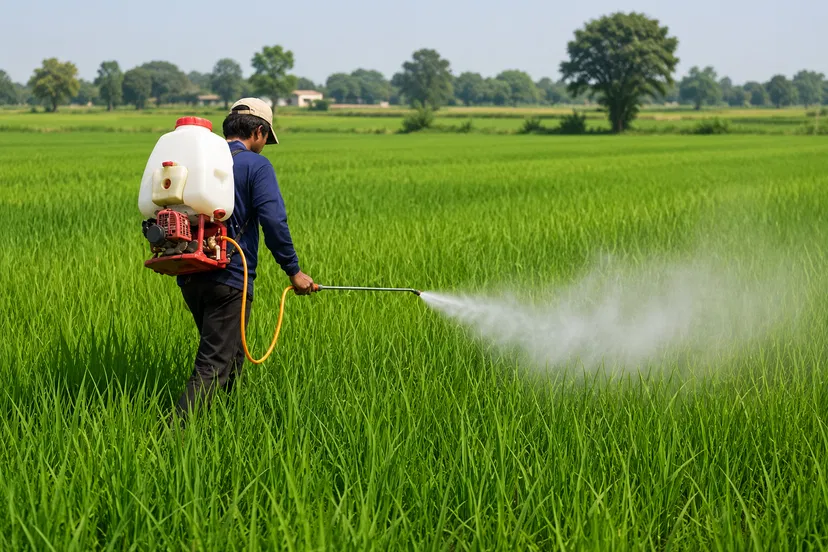
Spraying can help, but success depends on choosing the right product and applying it at the right time. Since larvae are protected inside the leaf, preventive and early-stage treatments work best.
1. Neem-based sprays
Neem oil or azadirachtin-based products are commonly used for leaf miner control. These products can interfere with feeding and insect growth, especially when applied early.
Best use: Early infestation prevention and control of newly hatched larvae.
Application tip: Spray both upper and lower leaf surfaces thoroughly in the early morning or late evening.
2. Spinosad sprays
Spinosad is one of the most effective organic options for leaf miner control in vegetable crops. It works best against young larvae before they burrow deeply into the leaf.
Best use: Active infestations on vegetables like spinach, beans, tomatoes, and brassicas.
Application tip: Follow label directions carefully and reapply only as recommended.
3. Insecticidal soap
Insecticidal soap can help reduce very young larvae and discourage nearby adults, though it is less effective once the larvae are safely inside the leaf.
Best use: Light infestations and integrated pest management programs.
Application tip: Use on tender plants and test a small area first to avoid leaf burn.
4. Pyrethrin-based sprays
Pyrethrin can knock down adult insects quickly, which may reduce egg-laying. However, it has limited effect on larvae already mining inside leaves.
Best use: Short-term control of adult pests during peak activity.
Application tip: Use sparingly and only when needed to protect beneficial insects.
5. Systemic insecticides for severe infestations
In commercial or heavily infested settings, some growers may use systemic products labeled for vegetable crops. These can provide stronger control because they move into plant tissue.
Important: Always follow the product label, observe pre-harvest intervals, and verify that the insecticide is approved for the specific crop.
How to Apply Spray Treatments Effectively
Good coverage and timing are just as important as the spray product itself. Here’s how to improve results:
- Start early. Treat at the first sign of fresh mines before larvae mature.
- Target young leaves. Focus on new growth where eggs are often laid.
- Cover both sides of the leaf. Adult pests and eggs may be found on the underside.
- Spray in calm weather. Avoid windy days to improve coverage.
- Repeat as directed. Many sprays need reapplication to catch new hatchlings.
For best results, spray in the cool part of the day and avoid treating stressed plants during intense heat. Always read the label for crop-specific instructions, safety precautions, and harvest timing.
Non-Chemical Leaf Miner Control Methods
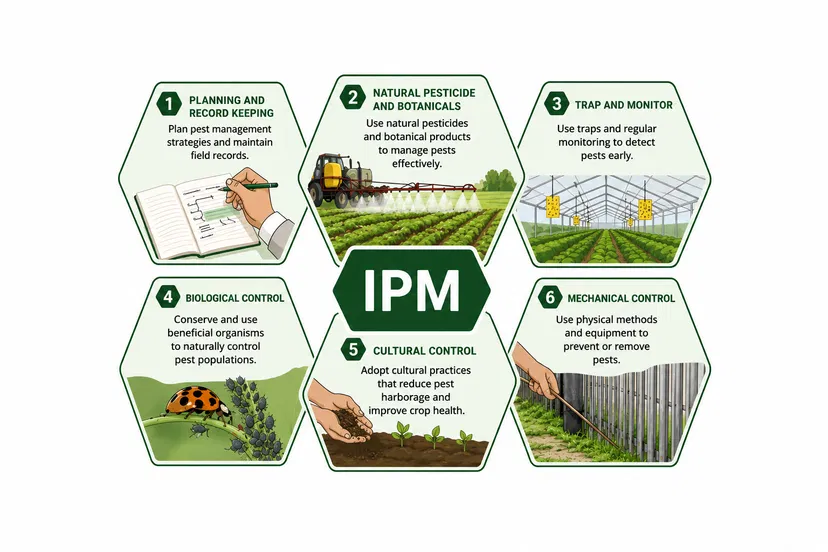
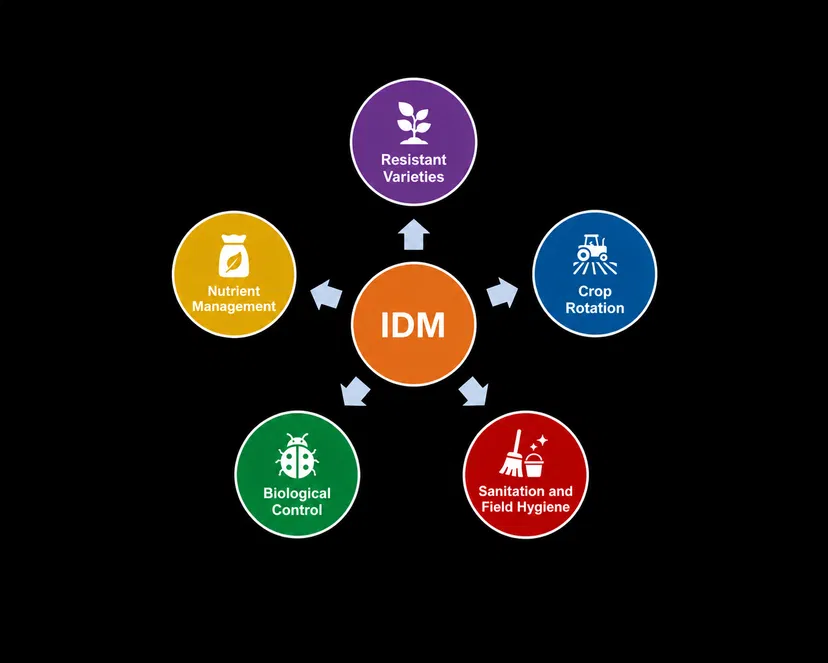
Sprays work best when combined with prevention and crop management strategies. These methods help reduce pressure naturally.
- Remove heavily infested leaves: Dispose of them properly to reduce larvae and adults.
- Use row covers: Fine mesh barriers can prevent adult insects from laying eggs on crops.
- Rotate crops: Avoid planting the same susceptible vegetables in the same location repeatedly.
- Encourage beneficial insects: Parasitoid wasps naturally help control leaf miner populations.
- Keep weeds under control: Weedy hosts can support pest populations between crops.
Prevention Tips for Vegetable Growers
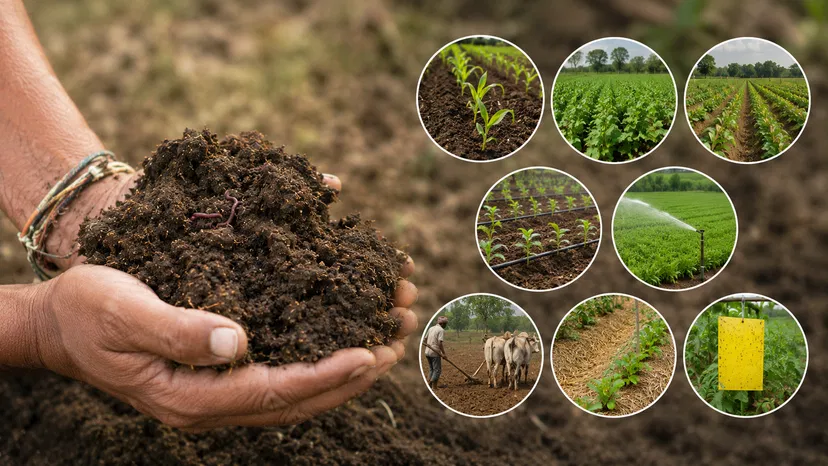
The best leaf miner control strategy is prevention. Healthy plants and regular scouting make infestations easier to manage.
Here are a few practical habits to adopt:
- Inspect plants twice a week during warm seasons.
- Check seedlings and transplants before planting.
- Avoid excess nitrogen, which can encourage lush growth that attracts pests.
- Water consistently to keep plants vigorous and less stressed.
- Use traps or monitoring methods if leaf miners are a repeated problem in your area.
When to Act Fast
Act immediately if you notice:
- Multiple fresh mines on young plants
- Damage spreading rapidly across the crop
- Reduced growth in leafy vegetables
- Repeated infestations after harvests or new plantings
The earlier you intervene, the easier it is to break the pest cycle and protect yield quality.
Conclusion
Leaf miners may be small, but the damage they cause in vegetable crops can add up quickly. The key to effective control is early detection, accurate identification, and timely spraying with the right product. Neem oil, spinosad, insecticidal soap, and other labeled treatments can help when applied correctly, but they work best as part of a broader pest management plan.
If you want healthier vegetables and fewer leaf miner problems, make scouting a regular habit, remove infested leaves, and treat early before the larvae mature. A quick response today can protect your harvest tomorrow.