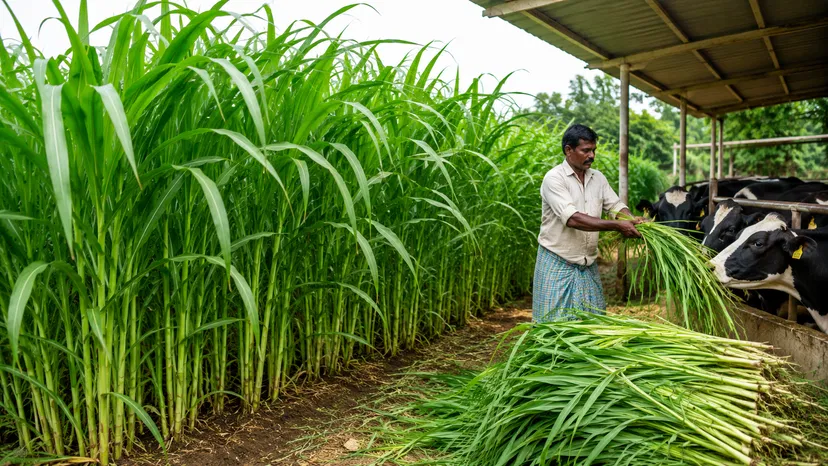
Imagine producing a tray of fresh, nutrient-rich livestock feed in just a week, using very little water and no soil at all. That is the promise of hydroponic fodder growing. For farmers, homesteaders, and small-scale livestock owners, this method offers a practical way to create green feed indoors or in controlled environments year-round.
Hydroponic fodder is gaining attention because it is efficient, space-saving, and simple to manage. Instead of depending on pasture, hay, or expensive purchased feed, you can grow young grass sprouts from grains like barley, wheat, oats, or corn. The result is a fresh feed source that can supplement the diets of cattle, goats, sheep, horses, poultry, and rabbits.
What Is Hydroponic Fodder?
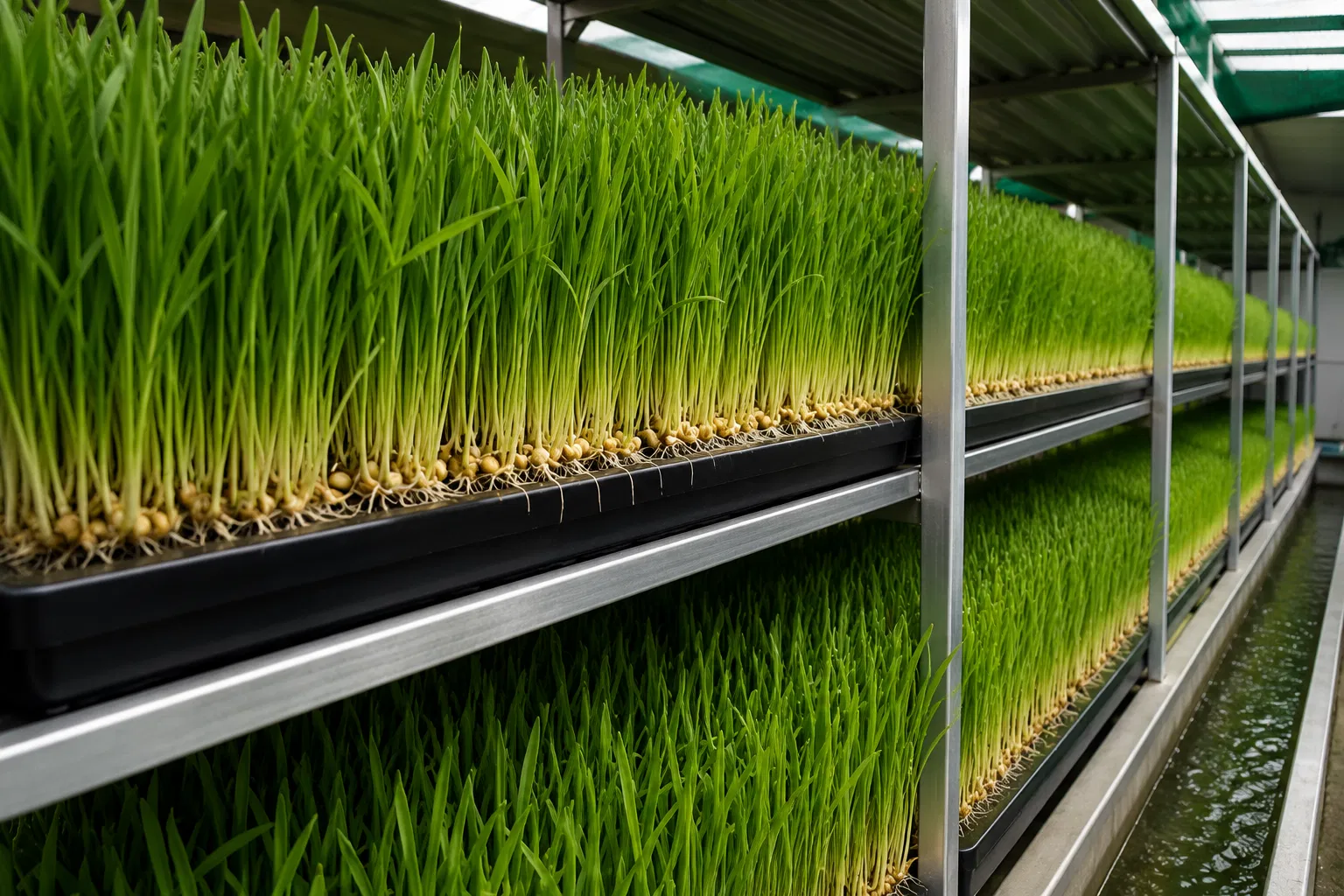
Hydroponic fodder is sprouted grain grown without soil. The seeds are soaked, placed in shallow trays, and kept in a warm, humid environment with regular watering. Within 6 to 8 days, the grains develop into a dense mat of shoots, roots, and seed remains that can be fed directly to animals.
This system is not the same as growing mature forage or pasture. Hydroponic fodder is harvested very young, when it is tender and highly digestible. Because it grows so quickly, it allows producers to create a continuous supply of fresh green feed with minimal land use.
Hydroponic fodder is less about replacing all conventional feed and more about adding a reliable, nutrient-rich supplement to an animal's diet.
Why Hydroponic Fodder Is So Popular
One of the biggest reasons growers turn to hydroponic fodder is efficiency. Traditional forage production depends on weather, soil quality, and large acreage. Hydroponic systems remove many of those limitations.
Key Benefits of Hydroponic Fodder
- Fast turnaround: Fresh feed can be ready in less than two weeks.
- Water savings: Hydroponic fodder uses far less water than field-grown crops.
- Year-round production: Feed can be grown indoors regardless of season.
- Minimal space: Vertical tray systems fit into barns, sheds, or greenhouses.
- Reduced dependence on pasture: Useful during drought or poor grazing conditions.
- Fresh and palatable: Many animals eagerly eat hydroponic green feed.
For livestock operations in dry climates or regions with expensive hay, these advantages can make a meaningful difference in feed security and cost control.
How Hydroponic Fodder Growing Works
The process is straightforward, but consistency matters. Successful fodder production depends on using quality seed, clean water, proper temperature, and regular sanitation.
Basic Steps
- Select the seed: Barley is the most common choice, though wheat, oats, rye, and sorghum are also used.
- Soak the seeds: Seeds are usually soaked for 8 to 12 hours to trigger germination.
- Spread in trays: The soaked seeds are placed in shallow trays in a thin, even layer.
- Water regularly: Trays are misted or irrigated several times daily to keep them moist.
- Maintain ideal conditions: Temperature, humidity, and airflow should remain stable.
- Harvest in 6 to 8 days: Once the mat forms, the fodder is fed fresh to animals.
The entire system is designed around rapid growth. Because the plants are harvested early, there is no need for fertilizers, pesticides, or soil preparation.
Best Grains for Hydroponic Fodder
Not all seeds perform equally well in a fodder system. The best crops are typically grains with strong germination rates and good feed value.
Common Hydroponic Fodder Seeds
- Barley: The most widely used option, known for reliable sprouting and dense growth.
- Wheat: A strong producer with good digestibility.
- Oats: Often used for horses and other livestock.
- Corn: Can be used, though it may not perform as consistently as barley.
- Sorghum: Suitable in some systems, especially where heat tolerance is needed.
Seed quality is critical. Poor germination leads to mold, wasted trays, and lower yields. Always choose clean, tested seed that is free from damage and contamination.
Setting Up a Hydroponic Fodder System
You do not need an elaborate greenhouse to start growing hydroponic fodder. A simple setup can work well if it provides the right environment and is easy to clean.
Essential Equipment
- Shallow growing trays
- Racks or shelving
- Water source and misting system
- Drainage setup
- Fan for air movement
- Temperature and humidity control
- Sanitation supplies for cleaning trays and surfaces
Good airflow is important because stagnant, overly damp conditions can encourage mold. Clean trays between cycles and remove any spoiled seed immediately. Hygiene is one of the most important parts of hydroponic fodder growing.
Nutritional Value of Hydroponic Fodder
Hydroponic fodder is valued for being fresh, digestible, and appealing to livestock. During sprouting, seeds undergo biochemical changes that can improve palatability and may make some nutrients easier for animals to use.
That said, fodder is not a complete feed. It contains a lot of moisture, which means the dry matter content is lower than hay or grain. For that reason, it works best as a supplement rather than a sole ration.
What Animals Gain From It
- Fresh green material
- Higher moisture intake
- Improved feed variety
- Potentially better digestibility
- A consistent food source during shortages
Because hydroponic fodder is so moist, livestock still need a balanced ration that includes enough dry matter, fiber, minerals, and energy for their species and production stage.
Common Challenges to Watch For
Hydroponic fodder growing is simple in theory, but a few problems can affect yield and quality if ignored.
Typical Problems
- Mold growth: Often caused by poor sanitation, excess moisture, or low airflow.
- Uneven sprouting: Usually linked to low-quality seed or inconsistent soaking.
- Rotting seed: Can happen if trays stay too wet or drainage is poor.
- Temperature swings: May slow growth or increase spoilage risk.
- Pest exposure: Less common indoors, but still possible in poorly maintained spaces.
The best way to avoid these issues is to keep the system simple, clean, and consistent. Start small, observe results, and adjust one variable at a time.
Is Hydroponic Fodder Worth It?
For many producers, the answer is yes, especially when feed costs are high, land is limited, or climate conditions are challenging. Hydroponic fodder can help stabilize supply, reduce water use, and add a fresh feed option when pasture is unavailable.
However, it is important to evaluate the economics carefully. Seed costs, labor, electricity, equipment, and maintenance all factor into the final return. The system makes the most sense when it solves a real feeding problem or supports an existing operation efficiently.
If you have reliable access to cheap pasture and forage, hydroponic fodder may serve as a supplement rather than a major feed source. If feed access is inconsistent, it can become a valuable part of your strategy.
Conclusion: A Smarter Way to Grow Feed
Hydroponic fodder growing offers a practical, soil-free way to produce fresh green feed quickly and efficiently. With the right setup, you can turn simple grains into a steady supply of palatable livestock fodder while using less water and less space than traditional forage systems.
Whether you are raising animals on a homestead or managing a larger operation, hydroponic fodder can strengthen your feed plan and improve resilience. Start small, keep conditions clean, and focus on consistency. Done well, this system can become a dependable source of fresh feed all year long.