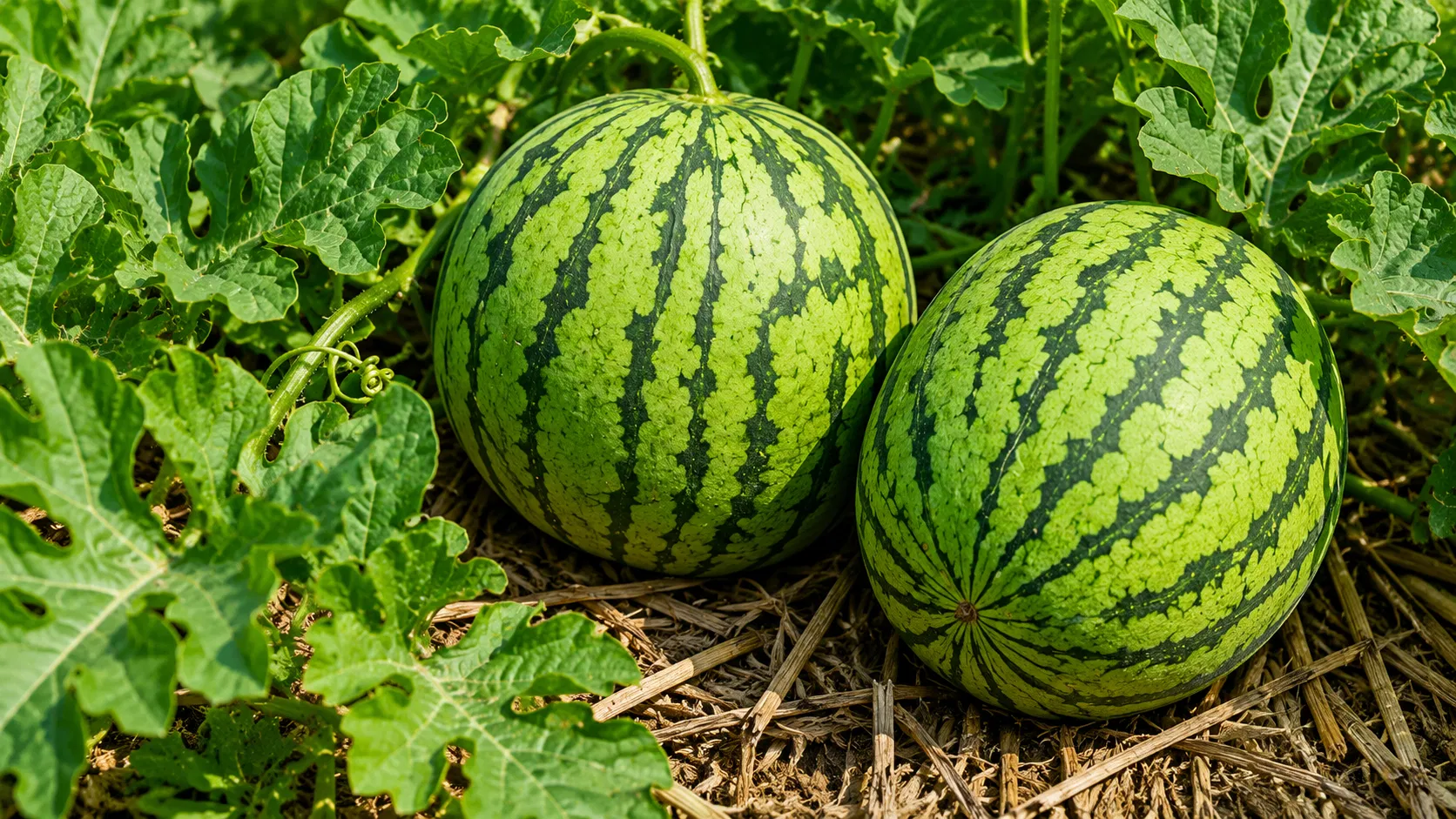
If you want watermelons that are heavy, juicy, and packed with sweetness, the secret is not luck—it is smart growing. Watermelon fruit size and sweetness are shaped by everything from soil quality and watering habits to pollination and harvest timing. With the right care, you can grow melons that are far better than store-bought fruit and loaded with rich, refreshing flavor.
Start with the Right Variety
Watermelon size and sweetness begin with the seed. Some varieties naturally grow larger fruit, while others are bred for extra-sweet flavor or compact growing spaces. Choosing the right type for your climate and garden gives you the best chance of success.
- Large-fruited varieties: Good for maximum size, especially in warm climates.
- Sweet dessert varieties: Often smaller, but higher in sugar content.
- Short-season varieties: Best for cooler areas with fewer growing days.
Look for varieties labeled as high-sugar, extra sweet, or known for premium flavor. A healthy plant can only produce sweet fruit if the genetics support it.
Give Watermelons Full Sun
Sunlight drives sugar production. Watermelons need at least 8 hours of direct sun each day, and more is even better. The more energy the plant receives, the more efficiently it can produce large, flavorful fruit.
Tip: Plant watermelons in the sunniest part of your garden, away from trees, fences, and tall crops that cast shade.
Without enough sun, vines may still grow, but fruit will often be smaller and less sweet.
Build Rich, Well-Drained Soil
Healthy soil is one of the biggest factors in watermelon fruit size. Watermelons perform best in loose, fertile soil that drains well but still holds enough moisture for steady growth. Sandy loam or amended garden soil is ideal.
Soil preparation checklist
- Work in plenty of compost before planting.
- Keep soil pH between 6.0 and 6.8.
- Avoid heavy, compacted ground.
- Use raised beds if your soil stays wet.
Too much clay or poor drainage can stunt roots and reduce fruit development. Strong roots support bigger melons and better nutrient uptake, both of which improve sweetness.
Feed the Plant the Right Way
Watermelons need balanced nutrition, but feeding them incorrectly can lead to huge vines and disappointing fruit. Early in growth, the plant needs nitrogen to build healthy leaves and vines. Once flowering starts, it needs more phosphorus and potassium to support fruit development and sugar movement.
Best fertilizing approach
- At planting, mix in compost or a balanced fertilizer.
- When vines begin spreading, use a fertilizer with moderate nitrogen.
- After flowering begins, switch to a lower-nitrogen, higher-potassium feed.
Avoid overfeeding nitrogen late in the season. Too much nitrogen pushes leafy growth instead of sweet fruit. If your vines are lush but the melons are small or bland, fertilizer imbalance may be the problem.
Water Consistently, Then Reduce Before Harvest
Water management has a huge impact on watermelon size and sweetness. During early growth and fruit expansion, watermelons need consistent moisture. Dry spells can reduce fruit size, cause stress, and limit cell expansion inside the melon.
At the same time, too much water near harvest can dilute sugar and make the fruit taste less sweet. The goal is steady watering during growth, then slightly reduced irrigation as fruit ripens.
Watering tips for sweeter melons
- Water deeply at the base of the plant.
- Keep soil evenly moist, not soggy.
- Use mulch to retain moisture and prevent stress.
- Reduce watering 7 to 10 days before harvest if conditions allow.
This final reduction in water can help concentrate sugars in the fruit and improve flavor.
Pollinate Flowers for Bigger Fruit
Even the healthiest watermelon plant cannot produce large fruit without proper pollination. Watermelons rely on bees and other pollinators to transfer pollen from male flowers to female flowers. Poor pollination often leads to misshapen, undersized, or poorly developed fruit.
Female flowers have a small swelling at the base that becomes the watermelon. If pollination is weak, that fruit may stop growing early.
How to improve pollination
- Plant flowers nearby to attract bees.
- Avoid spraying insecticides during bloom time.
- Hand-pollinate in the morning if pollinators are scarce.
Hand-pollination can be especially helpful in small gardens. Use a small brush or transfer pollen directly from a male flower to a female flower early in the day for the best results.
Limit the Number of Fruits Per Vine
If you want bigger watermelons, do not let the plant carry too many fruits. A vine has a limited amount of energy, and when it spreads that energy across too many melons, each fruit may stay small.
For larger fruit, allow only one to three melons per plant, depending on the variety and vine strength. Removing extra fruit lets the plant focus its resources on fewer, better-developed watermelons.
Remember: Fewer fruits often mean bigger size and better flavor.
Use Mulch to Keep Roots Happy
Mulch does more than make the garden look tidy. It helps regulate soil temperature, reduces moisture loss, and keeps weeds from stealing water and nutrients. Since watermelon roots dislike stress, mulch can directly support fruit growth and sweetness.
Good mulch options include straw, shredded leaves, and grass clippings that are free of herbicides. Spread it around the base of the plant, but keep it slightly away from the main stem to prevent rot.
Control Weeds and Pests
Weeds compete with watermelons for light, water, and nutrients. If weeds are left unchecked, they can reduce plant vigor and lead to smaller fruit. Pests can also weaken vines and damage leaves, reducing sugar production.
Common problems to watch for
- Aphids
- Cucumber beetles
- Squash vine borers
- Powdery mildew
Healthy leaves are essential for making sugar through photosynthesis. Protecting the vine means protecting fruit quality.
Harvest at the Perfect Time
Harvest timing is one of the most important factors in sweetness. A watermelon picked too early may look full-sized but taste watery and bland. One harvested at the right time will have maximum sugar content and better texture.
Signs a watermelon is ripe
- The underside turns creamy yellow.
- The tendril nearest the fruit dries out.
- The rind becomes dull rather than shiny.
- The melon sounds deep and hollow when tapped.
Do not rely on size alone. A watermelon can be large and still not fully ripe. Patience makes a noticeable difference in sweetness.
Simple Recap for Bigger, Sweeter Watermelons
If your goal is to increase watermelon fruit size and sweetness, focus on the basics that matter most:
- Choose a sweet, productive variety.
- Plant in full sun.
- Use fertile, well-drained soil.
- Feed wisely with less nitrogen later in the season.
- Water consistently, then ease off before harvest.
- Make sure flowers are well pollinated.
- Limit fruit per vine.
- Harvest only when fully ripe.
Conclusion
Growing bigger and sweeter watermelons is all about balancing plant health, water, nutrients, and harvest timing. When you give the vines the right conditions, they reward you with fruit that is larger, juicier, and more flavorful. Start with strong soil, keep the plant stress-free, and let each melon ripen fully on the vine.
Take action this season: apply these growing tips from planting to harvest, and you will give yourself the best chance at harvesting watermelons that are truly worth the wait.