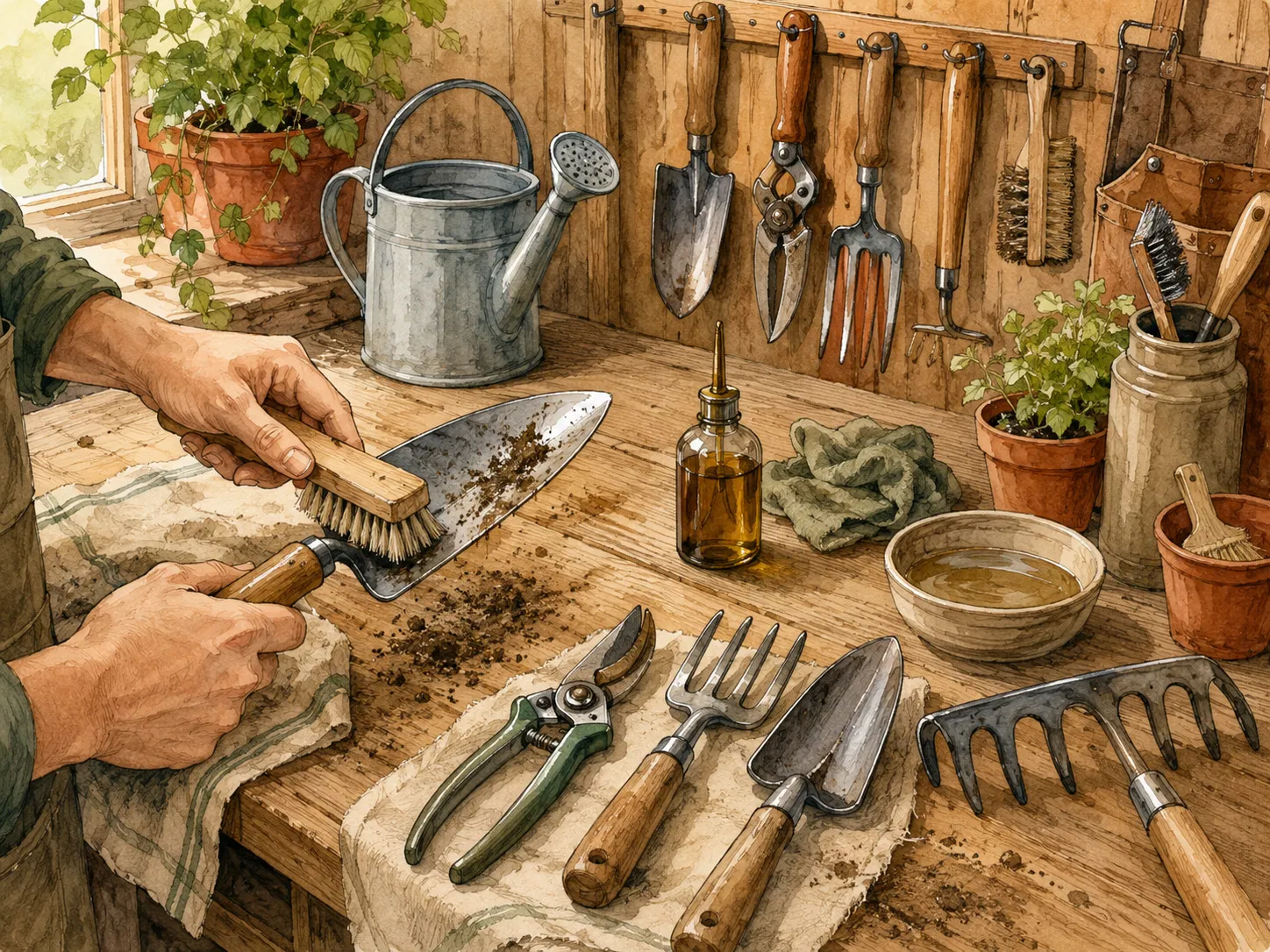
Garden tools work hard every season, and dirt, moisture, sap, and rust can quickly turn reliable equipment into frustrating clutter. If you want sharper blades, smoother handles, and tools that last for years, learning how to clean and maintain garden tools is essential. A simple care routine not only improves performance but also saves money by reducing the need for frequent replacements.
Why Garden Tool Maintenance Matters
Well-maintained garden tools make every task easier, from pruning shrubs to digging beds and trimming edges. Clean tools cut more efficiently, resist corrosion, and help prevent the spread of plant diseases. When soil and plant residue are left on blades or metal parts, they trap moisture and speed up rust. Wooden handles can also crack or weaken if they are neglected.
Regular garden tool maintenance helps you:
- Extend the life of your tools
- Keep blades sharp and effective
- Prevent rust and corrosion
- Reduce the spread of pests and plant disease
- Improve comfort and safety while gardening
What You Need to Clean Garden Tools
You do not need a complicated setup to maintain garden tools. A few basic supplies are enough for routine cleaning and upkeep.
- A stiff brush or wire brush
- Warm water and mild soap
- Clean rags or microfiber cloths
- A bucket
- Sandpaper or steel wool
- Mineral oil or household oil
- Tool sharpener, file, or sharpening stone
- Disinfectant such as rubbing alcohol or diluted bleach solution
Step-by-Step Guide to Cleaning Garden Tools
1. Remove Dirt and Debris
Start by knocking off loose soil, dried mud, and plant debris. Use a stiff brush, scraper, or putty knife to remove buildup from blades, tines, and joints. If the dirt is stubborn, soak the metal parts briefly in warm water to loosen it.
2. Wash with Soap and Water
Fill a bucket with warm water and add a small amount of mild soap. Wash the metal surfaces thoroughly with a cloth or brush. For hand tools like pruners, trowels, and hand forks, pay attention to crevices where soil can hide. Avoid soaking wooden handles for long periods, since too much moisture can damage them.
3. Disinfect When Needed
Disinfecting is especially important after working with diseased plants. Wipe the blades with rubbing alcohol or dip them in a diluted bleach solution. This simple step helps prevent the spread of fungal and bacterial problems from one plant to another.
Tip: Always disinfect pruning tools between plants if you notice signs of disease, such as spots, mold, or wilting.
4. Dry Tools Completely
Moisture is one of the biggest enemies of metal garden tools. After washing, dry every surface carefully with a clean cloth. Leave tools out in the sun or in a dry, ventilated area for a short time if needed. Never store damp tools, as this encourages rust.
How to Remove Rust from Garden Tools
Even with good care, rust can still appear on frequently used tools. The good news is that light to moderate rust is usually easy to remove.
Try these steps:
- Use steel wool or a wire brush to scrub away surface rust.
- For tougher spots, sand the affected areas with medium-grit sandpaper.
- Wipe the tool clean and inspect for remaining corrosion.
- Apply a light coat of oil to protect the metal.
If rust is severe, the tool may need more aggressive restoration or replacement, especially if the metal is weakened or pitted.
How to Sharpen Garden Tools
Sharp garden tools work better and are safer to use because they require less force. Dull blades can tear plant tissue instead of making clean cuts, which can slow plant recovery and increase disease risk.
Tools That Benefit from Sharpening
Basic Sharpening Tips
Use a sharpening stone, file, or tool sharpener and follow the existing angle of the blade. Work in smooth, controlled strokes and remove only a small amount of metal. After sharpening, wipe away any filings and apply a touch of oil to keep the edge in good shape.
How to Care for Wooden and Plastic Handles
Tool care is not just about the metal parts. Handles deserve attention too.
Wooden Handles
Wooden handles can dry out, splinter, or crack over time. Sand rough spots lightly and wipe the handle with a dry cloth. A small amount of linseed oil or another wood-safe oil can help preserve the finish and prevent drying. Avoid leaving wooden tools in wet soil or direct rain.
Plastic or Fiberglass Handles
Plastic and fiberglass handles are usually low-maintenance, but they still need cleaning. Wash them with soap and water, then dry them well. Check for cracks, loose fittings, or worn grips that could affect safety and comfort.
Best Practices for Storing Garden Tools
Proper storage is one of the easiest ways to maintain garden tools. Even well-cleaned tools can rust or wear out quickly if stored poorly.
- Store tools in a dry shed, garage, or storage cabinet
- Hang tools when possible to keep them off damp floors
- Keep blades covered or sheathed for safety
- Organize tools so they do not bang against each other
- Use a bucket of sand mixed with oil for smaller hand tools to help prevent rust
For larger tools like shovels, rakes, and hoes, hanging them on wall hooks keeps them cleaner and easier to access. Good storage also helps you notice when a tool needs repair before the next gardening session.
How Often Should You Clean Garden Tools?
The best routine depends on how often you garden, but a few simple habits make a big difference. Clean tools after every use if possible, especially when working with sticky sap, wet soil, or diseased plants. A deeper maintenance session once a month during the active growing season can help you catch rust, dull edges, or loose screws early.
At minimum, inspect your tools at the beginning and end of each gardening season. This is the perfect time to sharpen, oil, and repair anything that needs attention.
Simple Maintenance Routine to Follow
If you want an easy system, use this quick routine after gardening:
- Brush off soil and debris.
- Wash metal parts with soap and water.
- Disinfect blades if needed.
- Dry tools completely.
- Sharpen dull edges as needed.
- Oil metal parts and wooden handles lightly.
- Store tools in a dry, organized space.
Final Thoughts on Cleaning and Maintaining Garden Tools
Knowing how to clean and maintain garden tools is one of the simplest ways to protect your investment and make gardening more enjoyable. Clean blades cut better, rust is less likely to spread, and handles stay stronger for longer. With just a few minutes of care after each use, your tools will stay dependable season after season.
Take action today: gather your most-used garden tools, clean them thoroughly, and set up a regular maintenance routine. A little attention now will pay off every time you step into the garden.