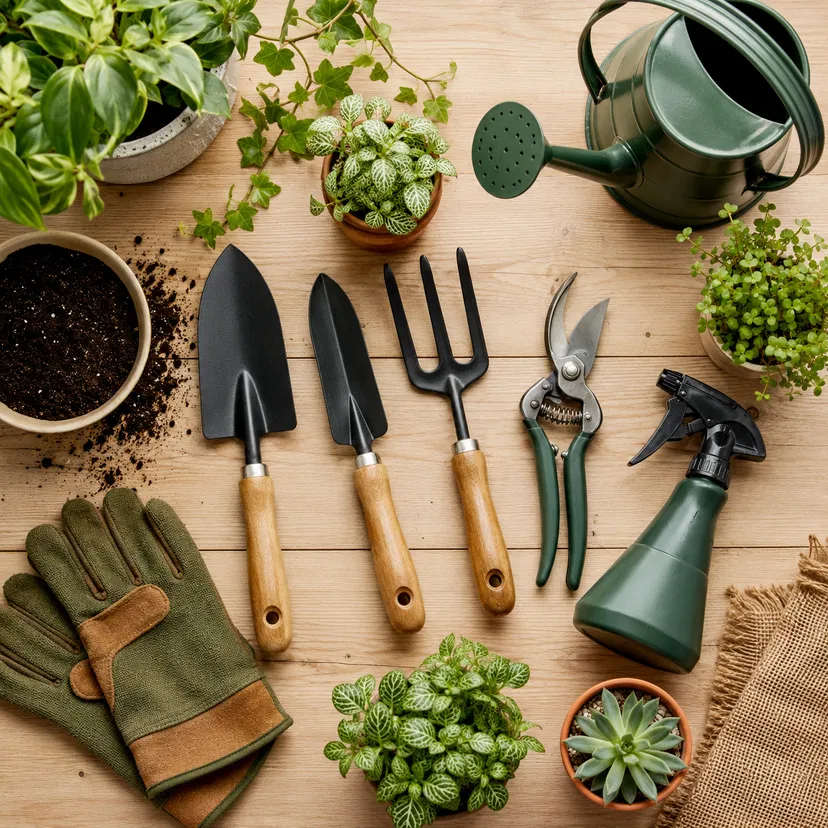
The difference between a frustrating gardening session and a productive one often comes down to one thing: using the right garden implements. Whether you’re planting seedlings, pruning shrubs, or turning soil for a new bed, choosing the right tools can save time, reduce strain, and help your garden thrive. With so many options available, a smart garden tools guide can make all the difference.
In this post, we’ll walk through the essential garden implements every gardener should know, how to choose the right tools for your needs, and what features to look for before you buy. If you want better results with less effort, start here.
Why the Right Garden Implements Matter
Good gardening starts with good tools. The right garden implements improve efficiency, protect your plants, and make repetitive tasks easier on your hands, wrists, and back. A well-chosen trowel or pruner may seem simple, but it can dramatically improve your workflow.
Using the wrong tool often leads to uneven cuts, damaged roots, sore muscles, and wasted effort. On the other hand, investing in quality garden tools helps you work faster and more precisely, especially during peak growing seasons.
Tip: The best garden implement is not always the most expensive one. It’s the one that fits your gardening style, your garden size, and the jobs you do most often.
Essential Garden Implements for Every Gardener
Before shopping, it helps to understand the basic tools that form the foundation of most gardening kits. These are the must-have garden implements for common planting, maintenance, and cleanup tasks.
1. Hand Trowel
A hand trowel is one of the most versatile garden tools you can own. It’s ideal for digging small holes, transplanting seedlings, and moving soil or compost in tight spaces. Look for a sturdy blade, a comfortable grip, and a shape that matches your hand size.
2. Pruning Shears
Pruning shears, also known as secateurs, are essential for trimming stems, deadheading flowers, and shaping plants. Bypass pruners work well for live plants, while anvil pruners are better for dry, woody stems. Choose sharp, durable blades with a locking mechanism for safety.
3. Garden Fork
A garden fork is useful for loosening compacted soil, turning compost, and lifting root crops. It’s a hardworking implement that provides leverage in dense ground where a shovel may struggle. For heavier soils, a strong metal fork with ergonomic handles is worth the investment.
4. Spade or Shovel
While often used interchangeably, spades and shovels serve slightly different purposes. A spade is better for edging, slicing, and digging defined holes, while a shovel is more suited for moving loose material like soil, mulch, or gravel. If you garden regularly, both can be valuable additions.
5. Rake
Rakes help you level soil, gather leaves, and clean garden beds. A leaf rake is lightweight and flexible, while a bow rake is stronger and better suited for breaking up soil or spreading mulch. The right one depends on the season and the task.
6. Hoe
A hoe is a classic weeding and soil-turning implement. It helps cut through weeds, shape rows, and cultivate the surface of the soil. There are several styles, including draw hoes and stirrup hoes, each designed for specific movement patterns and garden conditions.
How to Choose the Right Garden Implements
Selecting the best garden tools is about more than just picking what looks good on the shelf. Focus on function, comfort, and durability. Here are the most important factors to consider.
Consider Your Gardening Tasks
Start by thinking about what you do most often in the garden. If you grow vegetables in raised beds, lightweight hand tools and precision pruners may matter most. If you maintain large flower beds or landscaping, you may need stronger digging and cutting tools.
- For planting: hand trowel, dibber, watering can
- For pruning: pruning shears, loppers, pruning saw
- For soil work: garden fork, spade, hoe
- For cleanup: rake, leaf collector, wheelbarrow
Look for Comfort and Ergonomics
Comfort matters, especially if you spend long hours working outdoors. Ergonomic handles, cushioned grips, and balanced weight can reduce hand fatigue and make gardening more enjoyable. If you have arthritis or limited hand strength, look for tools designed for easier grip and reduced pressure.
Choose Durable Materials
Quality materials often mean longer tool life and better performance. Stainless steel and carbon steel are common blade materials because they hold edges well and resist wear. Handles may be made from wood, fiberglass, or reinforced plastic. Each has strengths, but durability and comfort should guide your choice.
Match Tool Size to Your Garden
The size of your garden can influence the tools you need. Smaller spaces may call for compact, lightweight implements that work well in containers, raised beds, and narrow rows. Larger gardens often benefit from long-handled tools that increase reach and reduce bending.
Think About Maintenance
Even the best tools need care. Choose garden implements that are easy to clean, sharpen, and store. Rust-resistant finishes, replaceable parts, and simple designs can help you keep tools in good condition with less effort.
Specialty Garden Tools Worth Considering
Once you have the basics, you may want to add specialty implements based on your gardening goals. These tools can improve precision and make more specific tasks easier.
Loppers
Loppers are ideal for cutting thicker branches that pruning shears can’t handle. Their long handles provide extra leverage, making them useful for shrubs and small trees.
Hand Weeder
A hand weeder is perfect for removing deep-rooted weeds with minimal soil disruption. It’s especially helpful for patios, pathways, and flower beds.
Watering Can or Hose Nozzle
Watering tools matter just as much as digging tools. A balanced watering can is great for containers and seedlings, while an adjustable hose nozzle helps control water flow across larger spaces.
Transplanter
A transplanter features measurement markings and a narrow blade, making it easier to plant bulbs, seedlings, and transplants at consistent depths.
What to Avoid When Buying Garden Implements
It’s easy to get distracted by low prices or flashy designs, but a poor-quality tool can cost more in the long run. Avoid implements that feel flimsy, have loose joints, or use thin metal that bends easily. Tools with uncomfortable grips or poor balance can also make your work harder than it needs to be.
Another common mistake is buying too many tools at once. Instead, build your collection around your actual gardening habits. A few reliable implements will usually outperform a crowded shed full of unused gadgets.
How to Care for Your Garden Implements
Once you’ve chosen the right garden tools, proper maintenance will extend their lifespan and keep them working smoothly. A little care after each use goes a long way.
- Clean tools after use: remove soil and plant residue to prevent rust and disease spread.
- Dry thoroughly: moisture is the enemy of metal tools.
- Sharpen blades regularly: sharp tools cut cleaner and require less force.
- Oil moving parts: this helps pruners and loppers operate smoothly.
- Store in a dry place: hang tools or keep them in a protected shed or storage box.
These simple habits help preserve your investment and ensure your tools are ready when the next gardening task comes up.
Final Thoughts on Choosing the Right Garden Implements
The best garden implements are the ones that match your needs, fit comfortably in your hands, and hold up through repeated use. By focusing on essential tools first, then adding specialty items as needed, you can build a practical collection that supports healthier plants and easier garden care.
If you’re ready to improve your gardening routine, start by evaluating your current tools and replacing the ones that slow you down. Choosing the right garden implements is a simple step that can lead to better results in every season.