If you love nutritious, homegrown snacks, few crops are as rewarding as pumpkins grown specifically for edible seeds and kernels. Instead of focusing only on a decorative fall harvest, you can grow pumpkins that produce large, flavorful seeds perfect for roasting, snacking, or pressing into oil. With the right variety, soil, and care, your garden can deliver both a beautiful crop and a steady supply of pumpkin seeds and kernels.
Why Grow Pumpkins for Edible Seeds?
Growing pumpkins for edible seeds is a smart choice for gardeners who want more from a single plant. These pumpkins are valued less for their flesh and more for their large, hull-less seeds or high-yield seed production. They can be used for healthy snacks, baking, granola, trail mixes, and seed butter.
Benefits of growing seed pumpkins include:
- High-yield harvests of nutrient-rich seeds
- Easy at-home roasting and storage
- Potential for organic, chemical-free production
- Dual-purpose harvest: seeds plus usable pumpkin flesh in some varieties
Choosing the Best Pumpkin Varieties for Seeds and Kernels
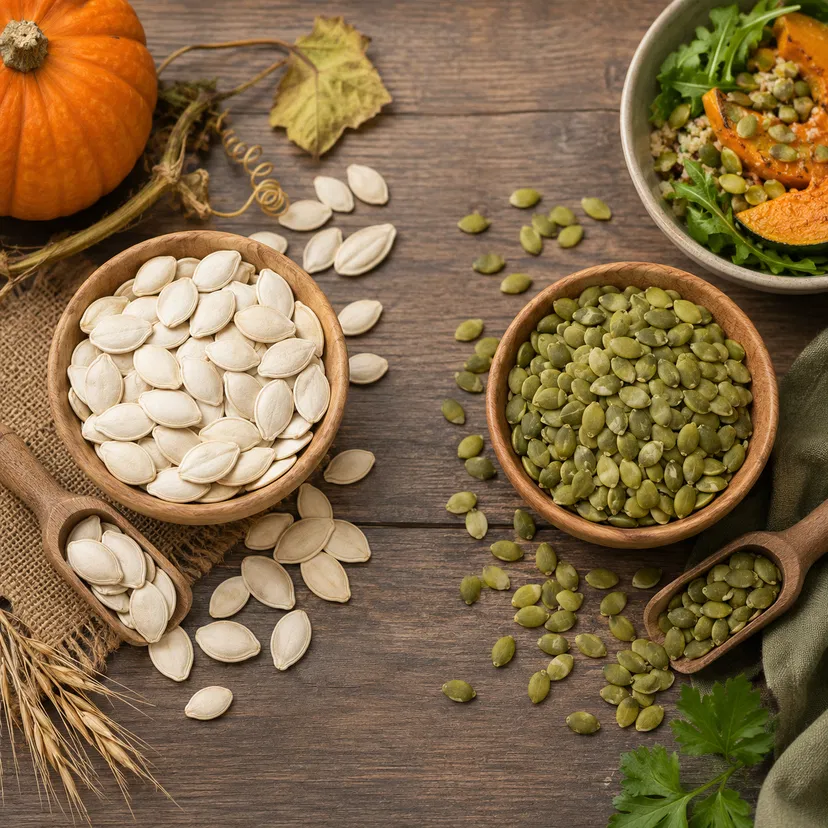
Not all pumpkins are created equal when it comes to edible seeds. If your goal is seed production, choose varieties bred for hull-less seeds or strong seed yield. These are often called oilseed pumpkins or pepitas pumpkins.
Top varieties to consider
- Styrian pumpkins – Famous for hull-less, dark green seeds commonly used as pepitas
- Oilseed pumpkins – Bred for large seed output and seed oil production
- Hull-less seed varieties – Easier to roast and eat directly
- Certain winter squash types – Some produce edible seeds, though usually in smaller quantities
When shopping for seed, read the description carefully. Look for terms like edible seeds, pepitas, hull-less, and seed pumpkin.
Getting the Soil Ready
Pumpkins thrive in rich, well-draining soil with plenty of organic matter. Since seed production depends on healthy, vigorous plants, soil preparation matters a lot.
Before planting, work compost or well-rotted manure into the garden bed. Aim for a soil pH between 6.0 and 6.8. Pumpkins are heavy feeders, so nutrient-rich soil helps support strong vines and abundant fruit.
Soil preparation tips
- Choose a sunny location with at least 6 to 8 hours of direct sunlight
- Loosen the soil to improve root growth
- Add compost before planting
- Ensure good drainage to reduce rot and disease
How to Plant Pumpkin Seeds for Maximum Yield
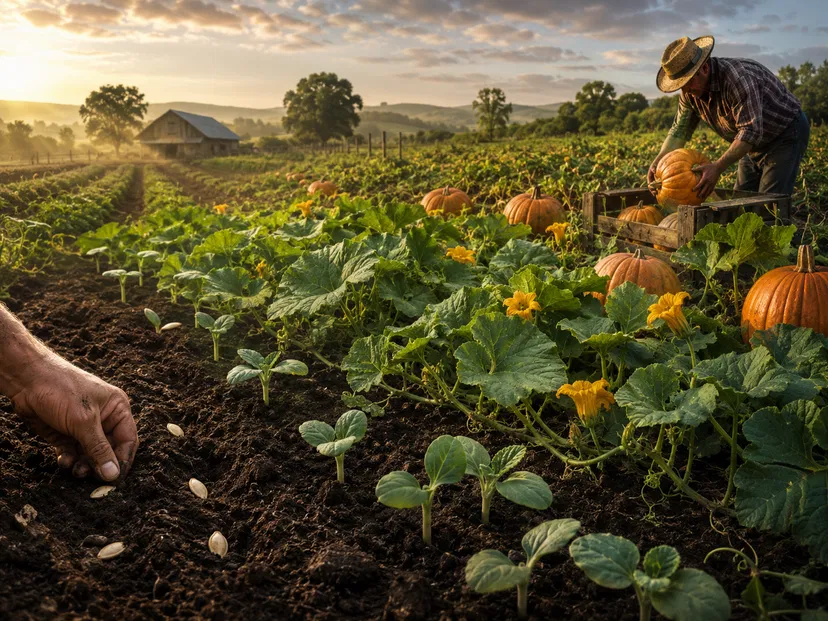
Plant pumpkin seeds directly in the garden after all danger of frost has passed and the soil has warmed. Pumpkins do not like cold soil, and warm conditions help seeds germinate faster.
Space plants generously, because pumpkin vines spread quickly. For seed-focused production, healthy spacing improves airflow and reduces disease pressure.
Planting guidelines
- Plant seeds 1 inch deep in mounds or hills
- Place 3 to 5 seeds per hill
- Space hills 4 to 8 feet apart, depending on the variety
- Thin to the strongest 2 or 3 seedlings after emergence
For a longer harvest window, you can plant a few hills every two weeks early in the season, as long as your growing season allows it.
Watering and Feeding for Healthy Seed Production
Pumpkins need consistent moisture, especially during flowering and fruit development. Irregular watering can lead to poor fruit set, reduced seed fill, and stressed vines.
Water deeply at the base of the plant rather than overhead. This helps keep leaves dry and lowers the risk of fungal disease.
Best watering practices
- Water deeply once or twice per week, depending on rainfall
- Use mulch to retain moisture and suppress weeds
- Avoid letting the soil dry out completely
- Reduce watering slightly as fruits mature
Feed plants with compost tea, balanced organic fertilizer, or a low-nitrogen option once vines begin to spread. Too much nitrogen can produce lush leaves but fewer flowers and fruits.
Pollination: The Secret to a Good Pumpkin Harvest
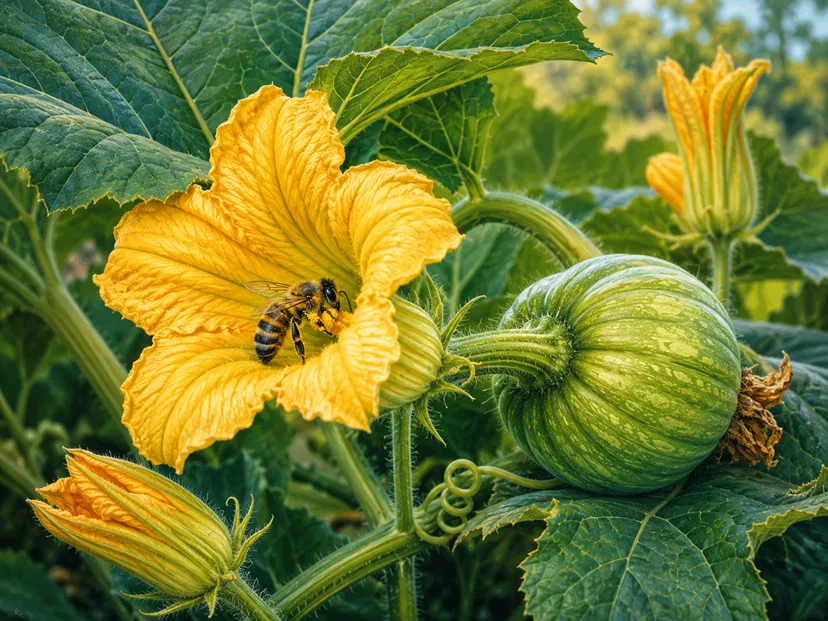
Pollination is critical when growing pumpkins for edible seeds and kernels. Pumpkin plants produce separate male and female flowers, and bees usually do the work of transferring pollen. Without adequate pollination, fruits may not develop properly, and seed yield can suffer.
If bee activity is low in your area, hand pollination can help. Early in the morning, transfer pollen from a male flower to the center of a female flower using a small brush or by gently rubbing the flowers together.
Tip: The more fully pollinated the fruit, the better the seed development inside the pumpkin.
Managing Pests and Diseases
Healthy plants produce better seeds. Protecting your pumpkin crop from pests and disease is essential if you want high-quality edible seeds.
Common pests include squash bugs, cucumber beetles, and aphids. Diseases such as powdery mildew and downy mildew can weaken vines and reduce yields.
Prevention strategies
- Rotate crops each year to reduce disease buildup
- Keep the area around plants weed-free
- Use mulch to reduce soil splash
- Inspect leaves regularly for pests or spots
- Encourage beneficial insects like ladybugs and lacewings
If needed, use organic controls early before infestations spread. Good airflow, proper spacing, and morning watering all help reduce fungal problems.
When to Harvest Pumpkins for Seeds
Timing matters if you want the best edible seeds and kernels. Harvest pumpkins when the fruit is fully mature. The rind should be hard, the color deep and even, and the stem dry and woody.
For seed harvest, wait as long as possible without risking frost damage. Mature seeds are plumper, better developed, and easier to dry and store.
Signs your pumpkins are ready
- The skin resists puncture from a fingernail
- The stem turns brown and dry
- The fruit has reached full size and color
- The vine begins to decline naturally
Cut the pumpkin from the vine with a few inches of stem attached. Handle carefully to avoid bruising the fruit.
How to Remove and Prepare Edible Seeds
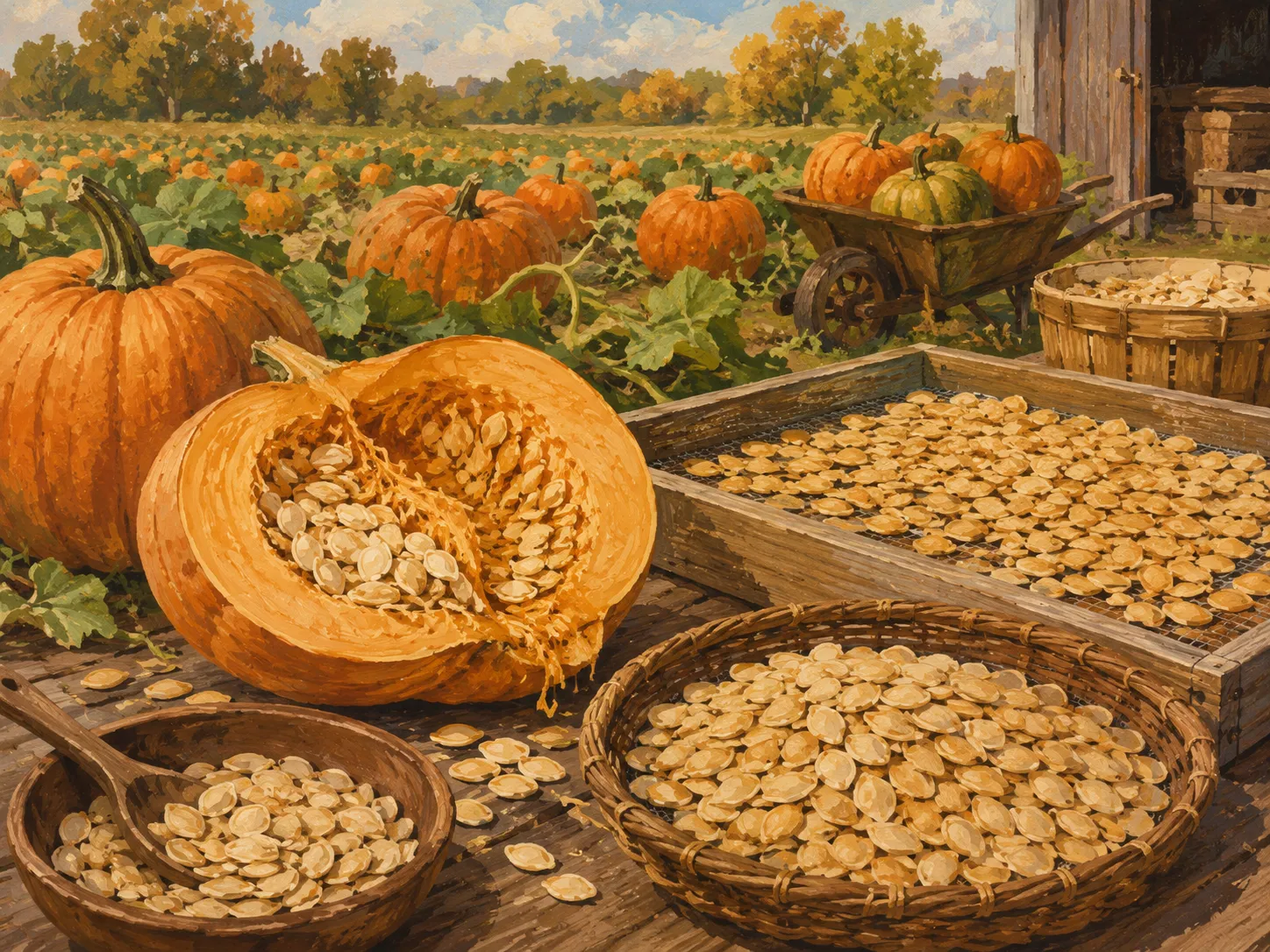
Once harvested, cut open the pumpkin and scoop out the seeds. Separate the seeds from the pulp, then rinse them thoroughly. If you are working with hull-less varieties, the seeds can be dried and eaten more easily than traditional pumpkin seeds.
Dry seeds in a single layer on clean towels or screens in a warm, airy location. Stir them occasionally so they dry evenly.
Processing steps
- Scoop seeds from the pumpkin
- Remove excess pulp
- Rinse well in cool water
- Dry completely before storage or roasting
For roasting, toss dried seeds with a little oil and seasoning, then bake until crisp. For storage, keep fully dried seeds in airtight containers away from heat and moisture.
Storing Pumpkin Seeds and Kernels
Proper storage helps preserve flavor and freshness. Moisture is the biggest enemy of seed quality, so make sure seeds are fully dry before storing.
Store pumpkin seeds in sealed jars, bags, or containers in a cool, dark place. For longer storage, refrigeration or freezing can help maintain quality.
Storage tips
- Label containers with the variety and harvest date
- Keep seeds away from sunlight
- Use airtight storage to prevent spoilage
- Check occasionally for any signs of moisture or mold
Final Thoughts on Growing Pumpkins for Edible Seeds and Kernels
Growing pumpkins for edible seeds and kernels is a satisfying way to turn a classic garden crop into a nutrient-packed harvest. With the right variety, strong soil preparation, consistent watering, and good pollination, you can produce pumpkins that deliver a generous supply of delicious seeds.
If you want a garden project that is both productive and rewarding, seed pumpkins are an excellent choice. Start with one or two reliable varieties this season, and enjoy the process from planting to roasting. Your future snack bowl will thank you.