Lettuce is one of the most forgiving vegetables for a first-time grower — it germinates easily, doesn't need deep soil, and rewards you with a harvest in as little as five to six weeks. Because it's shallow-rooted and fast-cycling, it's also one of the more agronomically simple crops to get right, provided you understand its few key requirements. Here's a straightforward guide from sowing to harvest.
Sowing: Getting the Basics Right
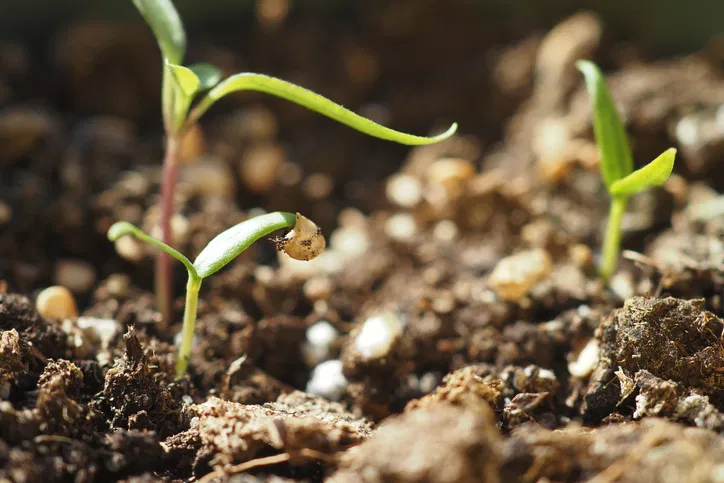
Lettuce seed is fine and needs only a very light covering of soil — no more than 5mm — since it needs some light exposure to germinate well. Before sowing, a light seed treatment reduces the risk of damping off, a common problem for fine seed sown into cool, moist soil. Lettuce germinates best between 15–20°C; in hotter conditions germination slows sharply or fails altogether, which is why it's typically a cool-season crop in most of India.
Soil and Container Setup
Lettuce has a shallow root system, so a pot 6–8 inches deep is enough. Use a light, well-draining mix built around well-decomposed compost, since lettuce responds well to organic matter but doesn't tolerate compacted or waterlogged soil, which quickly leads to root and leaf rot.
Watering Through the Growth Cycle
Because lettuce roots stay shallow, the soil dries out faster than it would for a deep-rooted crop, and inconsistent moisture is one of the most common reasons for bitter-tasting or bolted (prematurely flowering) lettuce. Steady, light irrigation that keeps the top few inches of soil consistently moist — without pooling water — gives the most reliable results.
Transplanting From Trays
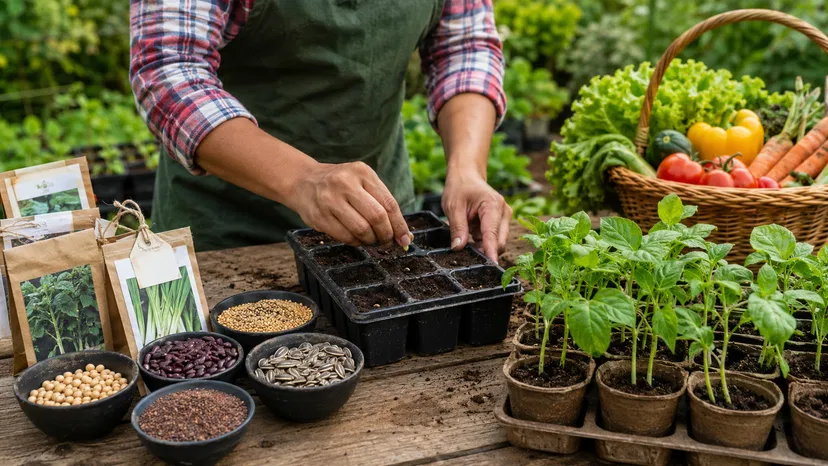
If you started seed in protrays, move seedlings to their final pot once they have 2–3 true leaves, generally 2–3 weeks after sowing. Handle the roots gently during transplanting, since lettuce seedlings are delicate and slow to recover from rough handling.
Feeding for Leaf Growth
Lettuce is grown for leaf, not fruit, so its nutrient needs lean toward steady vegetative growth rather than the flowering and fruiting inputs a tomato or chilli would need. A light feed with micronutrients every couple of weeks supports consistent leaf colour and texture without pushing the plant toward premature bolting.
Harvesting
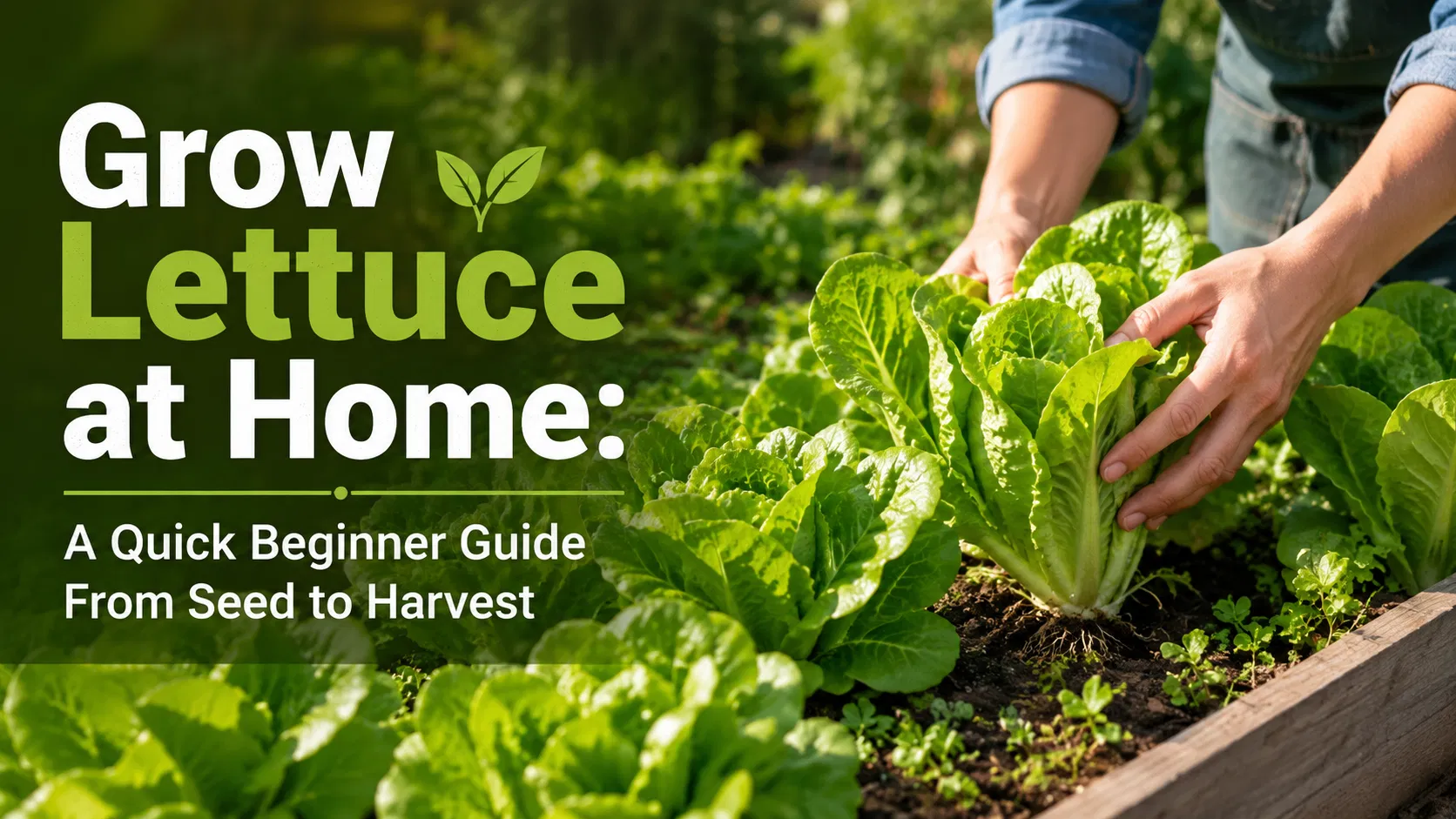
You can harvest lettuce two ways: cut the whole head at soil level once it's reached a usable size, or take outer leaves progressively and let the plant keep producing from the centre. Clean hand tools make for a cleaner cut and reduce the risk of introducing disease to the remaining plant if you're harvesting leaf by leaf.
Frequently Asked Questions
Why does my lettuce taste bitter?
Bitterness is usually a stress response, most often triggered by heat, inconsistent watering, or the plant beginning to bolt (flower) — harvesting promptly once the head matures helps avoid this.
How long does lettuce take from seed to harvest?
Most varieties are ready in 5–7 weeks for a full head, though you can begin harvesting outer leaves earlier, often from around 3–4 weeks.
Can lettuce be grown year-round in India?
It grows best in cooler weather, roughly October to February in most regions; in hotter months it's prone to bolting unless grown in shade with consistent moisture.