If you want a flower that is cheerful, easy to grow, and packed with color all season long, cosmos flowers from seed are one of the best places to start. These airy, daisy-like blooms thrive with very little fuss, making them perfect for beginner gardeners and anyone who loves a low-maintenance garden filled with pollinators.
Whether you are planting in garden beds, borders, or containers, growing cosmos from seed is simple, affordable, and incredibly rewarding. With the right timing, soil, and care, you can enjoy a long display of blooms from early summer until the first frost.
Why Grow Cosmos Flowers From Seed?
Cosmos are popular for good reason. They grow quickly, bloom generously, and bring a soft, natural look to the garden. Starting them from seed gives you more variety and better value than buying young plants.
- Fast-growing: Cosmos germinate quickly and begin blooming in just a few months.
- Easy for beginners: They need minimal care once established.
- Long bloom time: Flowers can last from early summer through fall.
- Pollinator-friendly: Bees, butterflies, and beneficial insects love them.
- Budget-friendly: One seed packet can fill a large area with color.
Best Cosmos Varieties to Grow From Seed
Before planting, it helps to choose the right type of cosmos for your garden. Some grow tall and airy, while others stay compact and are better for pots or smaller spaces.
Popular Cosmos Varieties
- Cosmos bipinnatus: The classic variety with feathery foliage and large pink, white, or red blooms.
- Cosmos sulphureus: A heat-loving type with bright orange, yellow, and gold flowers.
- Dwarf cosmos: Compact varieties that work well in containers and borders.
- Chocolate cosmos: A specialty variety known for dark blooms and a rich scent, though it is usually grown from tubers rather than seed.
If you want a cottage-garden look, classic tall cosmos are ideal. If you need something neater and smaller, choose dwarf varieties.
When to Plant Cosmos Seeds
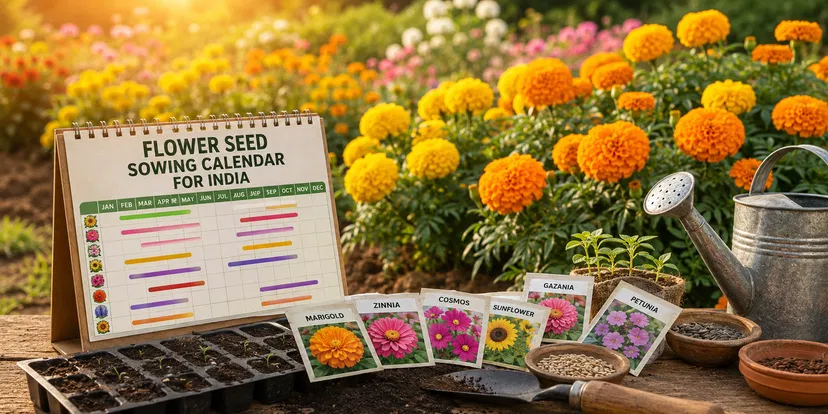
Cosmos are warm-season annuals, so timing matters. They do best when planted after the risk of frost has passed and the soil has started to warm up.
You can start cosmos seeds in two main ways:
- Direct sow outdoors: Plant seeds directly in the garden after the last frost date.
- Start indoors: Begin seeds 4 to 6 weeks before your last frost date if you want earlier blooms.
In many climates, direct sowing is the easiest method. Cosmos seedlings grow quickly and often do better when not transplanted too early.
How to Plant Cosmos Seeds
Planting cosmos seeds is straightforward, but a few simple steps can improve germination and growth.
Step-by-Step Planting Guide
- Choose a sunny location: Cosmos need at least 6 to 8 hours of direct sunlight each day.
- Prepare the soil: Use well-draining soil that is not too rich. Too much fertilizer can lead to more leaves and fewer flowers.
- Sow seeds lightly: Scatter seeds on the soil surface or plant them about 1/4 inch deep.
- Water gently: Keep the soil moist but not soggy until seedlings appear.
- Thin seedlings: Once they sprout, space them properly so each plant has room to grow.
Cosmos seeds usually germinate in 7 to 21 days depending on temperature and conditions. Warm soil speeds things up.
Tip: Cosmos seeds are small and need light to germinate well, so do not bury them too deeply.
Best Soil and Sunlight Conditions
One of the reasons cosmos are so popular is that they are not demanding. In fact, they often bloom best when conditions are a little lean rather than overly fertile.
- Sunlight: Full sun is best for strong stems and abundant flowers.
- Soil: Well-drained soil is essential to prevent rot and weak growth.
- pH: Cosmos tolerate a wide range of soil conditions.
- Fertility: Moderate to low fertility encourages flowering over leafy growth.
If your soil is heavy clay, mix in compost or grow cosmos in raised beds or containers for better drainage.
How to Care for Cosmos Seedlings
Once your cosmos seedlings emerge, the key is to keep them growing steadily without overdoing it. These plants prefer a lighter touch.
Basic Cosmos Care
- Water regularly: Water young plants until they are established, then only during dry spells.
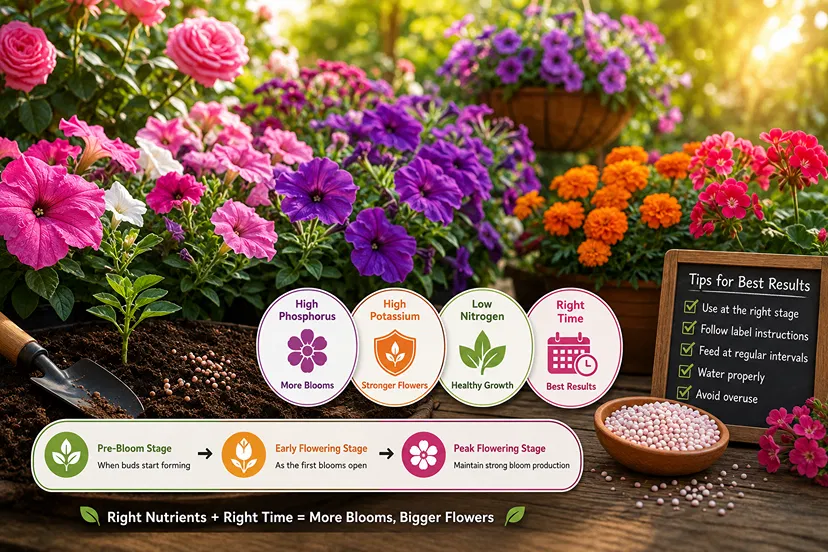
- Avoid overfertilizing: Too much nitrogen can reduce blooms.
- Deadhead spent flowers: Removing faded blooms encourages more flowering.
- Stake tall varieties: Taller types may need support in windy areas.
- Pinch young plants: Pinching the tips can create bushier plants with more stems and blooms.
Cosmos are fairly drought-tolerant once mature, so they are a great option for gardeners looking for easy-care flowering annuals.
Growing Cosmos in Containers
Cosmos can grow beautifully in pots as long as they have enough sunlight and good drainage. Compact varieties are especially well-suited to containers.
For container success, use a pot with drainage holes and a lightweight potting mix. Water when the top inch of soil feels dry, and avoid letting the container sit in standing water.
- Choose dwarf or compact varieties
- Use at least a 12-inch pot for best results
- Place the container in full sun
- Feed lightly if needed, but do not overfertilize
Common Problems When Growing Cosmos From Seed
Cosmos are generally trouble-free, but a few issues can come up during germination and growth.
Leggy Seedlings
This usually means the plants are not getting enough light. Move seedlings to a brighter spot or use grow lights indoors.
Poor Germination
If seeds do not sprout, the soil may be too cold, too wet, or the seeds may be planted too deeply.
Few Flowers
Too much fertilizer, too much shade, or overcrowding can reduce flowering. Give plants more sun and space.
Toppling Stems
Tall cosmos may flop if they grow in rich soil or windy conditions. Staking and pinching early can help.
How to Keep Cosmos Blooming Longer
If you want nonstop color, a few simple habits will keep your cosmos flowering for months.
- Deadhead regularly: Remove faded flowers before they set seed.
- Water during dry periods: Keep plants from drying out completely.
- Harvest for bouquets: Cutting flowers often encourages more blooms.
- Plant in succession: Sow seeds every few weeks for staggered flowering.
With these steps, cosmos can become one of the most productive flowers in your garden.
Final Thoughts on Growing Cosmos Flowers From Seed
Learning how to grow cosmos flowers from seed is one of the easiest and most satisfying gardening projects you can try. These graceful blooms are simple to plant, quick to grow, and generous with flowers all season long. With plenty of sun, well-drained soil, and just a little care, cosmos will reward you with a dazzling display that attracts pollinators and brightens any space.
If you are ready to add effortless color to your garden, start a packet of cosmos seeds today and enjoy the beauty of these charming flowers from summer through fall.