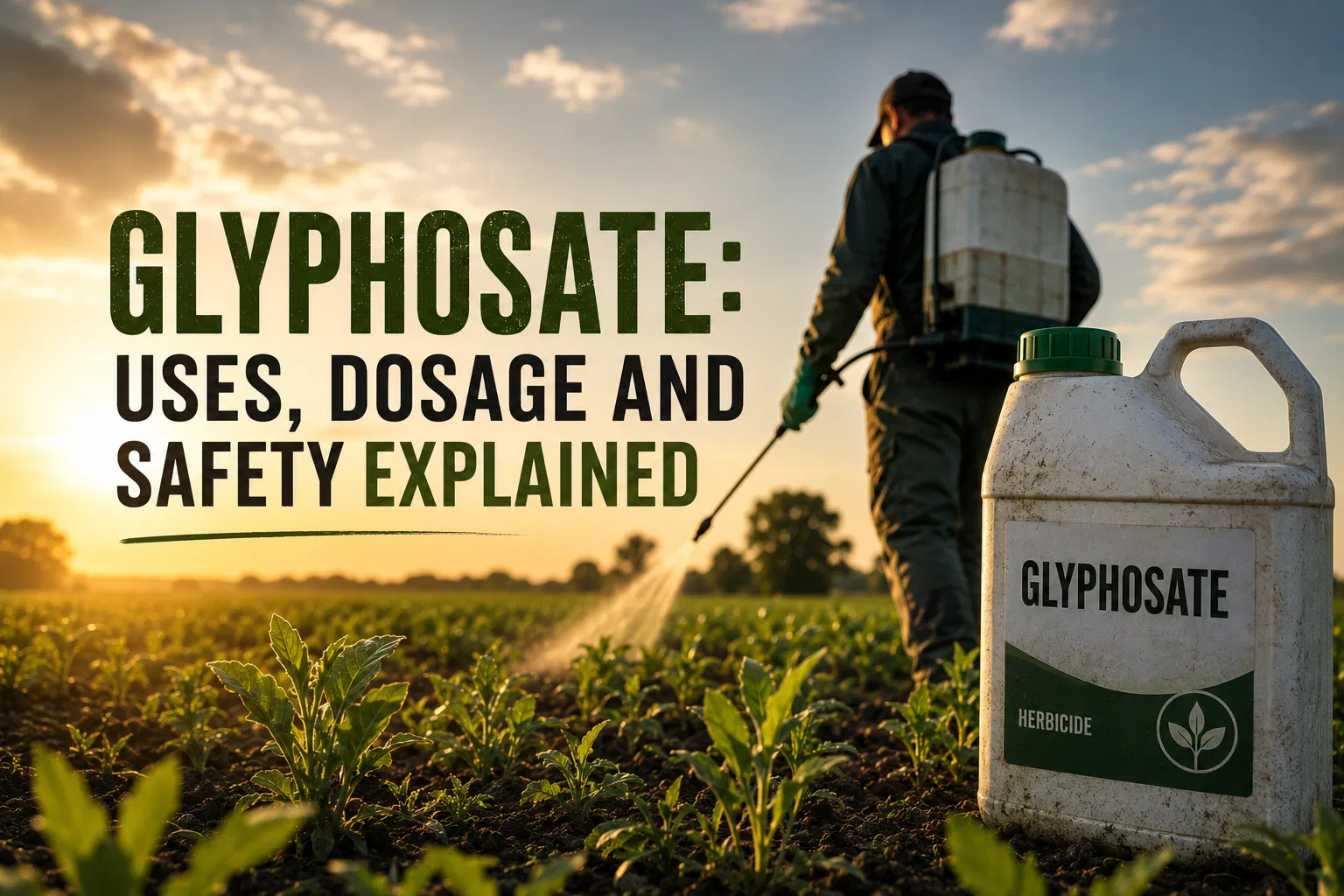
Glyphosate is one of the most widely used herbicides in the world, but it is also one of the most misunderstood. Whether you are a homeowner trying to control weeds or a professional managing large outdoor areas, understanding glyphosate uses, dosage, and safety is essential for effective and responsible application.
Used correctly, glyphosate can be a powerful tool for weed control. Used carelessly, it can create unnecessary risks for people, pets, plants, and the environment. In this guide, we'll break down how glyphosate works, where it is used, how dosage is determined, and what safety precautions matter most.
What Is Glyphosate?
Glyphosate is a non-selective, systemic herbicide designed to kill a broad range of weeds and grasses. It works by entering the plant through its leaves and moving through the plant's system, eventually blocking an enzyme needed for growth. Without that enzyme, the plant gradually dies.
Because glyphosate affects most green plants, it is often used for spot treatments, land clearing, and weed control in areas where complete vegetation removal is desired.
Common Uses of Glyphosate
Glyphosate has both residential and commercial applications. Its popularity comes from its ability to control tough weeds efficiently when used as directed.
1. Home and garden weed control
Homeowners often use glyphosate to manage weeds in driveways, walkways, patios, fence lines, and garden edges. It is especially useful for invasive weeds that are difficult to remove by hand.
2. Agricultural weed management
In farming, glyphosate is commonly used to control weeds before planting crops or after harvest. It helps reduce competition for water, sunlight, and nutrients.
3. Land preparation and clearing
Glyphosate is frequently applied to clear vegetation before construction, landscaping, or replanting. It can help prepare soil for new turf, crops, or native plant restoration projects.
4. Invasive species control
When invasive plants threaten native ecosystems, glyphosate may be used as part of a broader vegetation management plan. Careful targeting is important to avoid damaging nearby desirable plants.
Important: Glyphosate does not distinguish between weeds and desirable plants. Any green plant it contacts can be affected.
How Glyphosate Works
Glyphosate is absorbed through the leaves and stems of actively growing plants. Once inside, it travels throughout the plant and interrupts the production of key proteins needed for growth. This means visible results are not always immediate.
In most cases, weeds begin to yellow or wilt within several days, but complete control may take one to two weeks depending on the plant type, weather, and application quality.
Glyphosate Dosage: How Much Should Be Used?
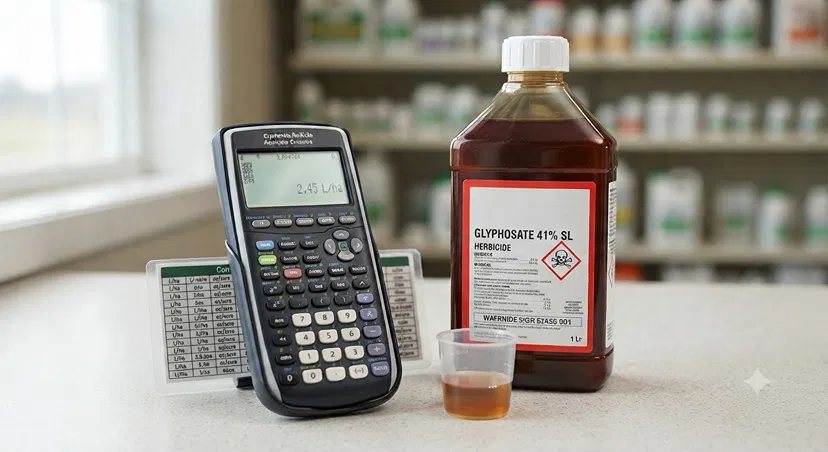
There is no single dosage for glyphosate because the correct amount depends on the product concentration, target weed species, application method, and area size. Always follow the product label, which is the legal and safest source for dosage instructions.
Factors that affect dosage
- Product strength: Concentrated formulas require different dilution rates than ready-to-use sprays.
- Weed type: Young annual weeds typically need less than mature perennial weeds.
- Application area: Spot treatment, broadcast spraying, and stump treatment require different amounts.
- Weather conditions: Rain, wind, and temperature can influence how well glyphosate performs.
- Growth stage: Actively growing weeds absorb herbicide more effectively than stressed plants.
General dosage guidance
Most glyphosate products are sold as either ready-to-use sprays or concentrates. Ready-to-use products do not require mixing, while concentrates must be diluted according to label directions.
For spot spraying, the goal is usually to wet the weed leaves thoroughly without causing excessive runoff. Overapplication does not improve results and may increase the risk of drift or environmental impact.
For stump or cut-stem applications, glyphosate is often applied directly to the freshly cut surface to prevent regrowth. Again, label instructions should be followed carefully for the exact concentration and timing.
Best Practices for Safe Glyphosate Use
Safety should always come first when using glyphosate. Although many products are designed for consumer use, proper handling is still essential.
1. Read the label completely
The product label contains dosage instructions, approved uses, protective equipment recommendations, and first aid guidance. Never rely on guesswork.
2. Wear protective gear
At minimum, it is smart to wear:
- Gloves
- Long sleeves and long pants
- Closed-toe shoes
- Eye protection if spraying overhead or in windy conditions
3. Avoid drift and overspray
Apply glyphosate on calm days to reduce the chance of spray drifting onto flowers, shrubs, vegetables, or other sensitive plants.
4. Keep people and pets away during application
Do not allow children or pets into the treated area until the product has dried or the label-recommended re-entry time has passed.
5. Store it properly
Keep glyphosate in its original container, tightly closed, and stored out of reach of children and animals. Never transfer it into unlabeled bottles or food containers.
Is Glyphosate Safe?
When used according to label directions, glyphosate is designed for targeted weed control. However, like any pesticide, it should be handled with caution. Exposure risks depend on concentration, frequency of use, and whether proper safety measures are followed.
Potential concerns are most often related to skin contact, eye exposure, inhalation of spray mist, or accidental ingestion. That is why protective handling and correct application matter so much.
For homeowners, the safest approach is to use the smallest effective amount, avoid spraying on windy days, and keep the product away from edible plants unless the label specifically allows it.
Tips for Better Results
If you want glyphosate to work effectively, timing and technique are just as important as dosage.
- Apply to actively growing weeds. Young, healthy weeds absorb herbicide more efficiently.
- Use enough coverage. The leaves should be evenly coated without excessive dripping.
- Choose dry weather. Rain soon after application can reduce effectiveness.
- Allow time for results. Glyphosate works gradually, so patience is important.
- Prevent re-growth. Monitor treated areas and remove surviving weeds if needed.
Common Mistakes to Avoid
Many glyphosate problems come from misuse rather than the product itself. Avoid these common mistakes:
- Using too much product
- Spraying on windy days
- Applying to drought-stressed weeds
- Missing label instructions
- Using glyphosate near desirable plants without protection
- Expecting instant results
Final Thoughts
Glyphosate can be an effective weed control solution when used with care, precision, and respect for the label instructions. Understanding glyphosate uses, dosage, and safety helps you get better results while minimizing risk to yourself, your property, and the surrounding environment.
If you plan to use glyphosate, take a few minutes to read the product label, wear appropriate protective gear, and apply only the amount needed for the job. Smart application leads to safer use and better weed control every time.