If you've ever planted seeds that refused to sprout, you already know how frustrating seed dormancy can be. The good news is that one of the most effective tools for improving germination is GA3, or gibberellic acid. Used correctly, GA3 can help wake up stubborn seeds, break dormancy, and improve germination speed and uniformity.
Whether you're growing vegetables, flowers, herbs, or rare species with tough seed coats, understanding how to use GA3 for seed dormancy can save time, increase success rates, and give your seedlings a much stronger start.
What Is GA3?
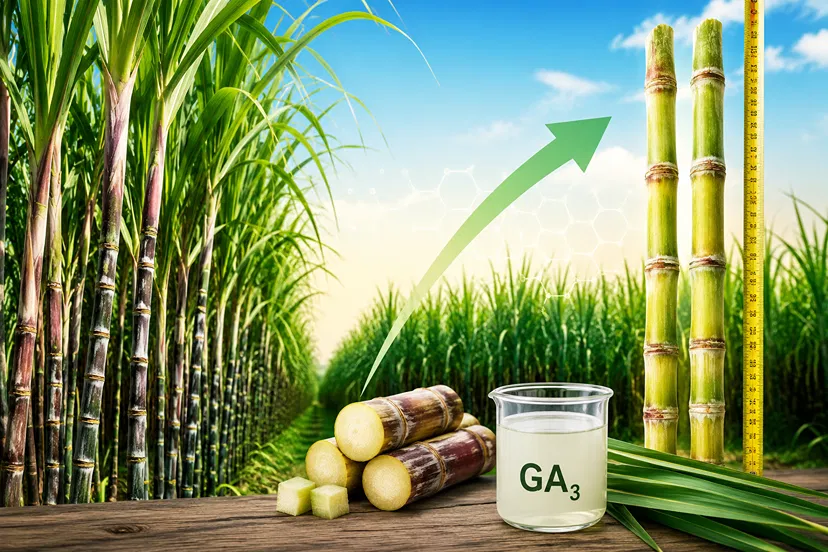
GA3, short for gibberellic acid 3, is a naturally occurring plant hormone that plays a major role in seed germination, stem elongation, flowering, and fruit development. In seed treatment, it is most commonly used to break physiological dormancy and encourage seeds to germinate more quickly and evenly.
Many seeds contain internal chemical signals that prevent germination until conditions are right. GA3 helps override those signals by stimulating enzymes and biochemical processes that tell the seed it is time to sprout.
Why Seeds Stay Dormant
Seed dormancy is a survival mechanism. It prevents seeds from germinating during unfavorable conditions such as cold weather, drought, or low light. While dormancy is beneficial in nature, it can be a challenge for gardeners and growers.
Common causes of dormancy include:
- Hard seed coats that block water absorption
- Physiological dormancy caused by internal growth inhibitors
- Immature embryos that need more time to develop
- Environmental requirements such as cold stratification, light, or temperature shifts
GA3 is especially useful when dormancy is caused by internal chemical or physiological barriers rather than physical ones alone.
How GA3 Breaks Seed Dormancy
GA3 works by triggering enzymes that convert stored food inside the seed into energy for growth. It also helps promote embryo development and can counteract natural inhibitors that keep seeds inactive.
In practical terms, GA3 can:
- Speed up germination
- Increase total germination percentage
- Improve uniformity across a seed batch
- Help difficult-to-germinate seeds sprout
In many cases, GA3 is not a replacement for proper seed preparation, but a powerful supplement that improves outcomes when used correctly.
Which Seeds Respond Best to GA3?
Not every seed needs GA3, but it can be highly effective for many dormant or slow-germinating species. It is especially useful for seeds that are known to be difficult or irregular to sprout.
Examples of seeds that may respond well include:
- Ornamental flowers with complex dormancy patterns
- Woody plants and shrubs
- Some herbs and medicinal plants
- Native species and wildflowers
- Seeds with low or uneven germination rates
Before treatment, it's always wise to check whether the species naturally requires cold stratification, scarification, or light exposure. GA3 can work alongside these methods, but it does not replace every dormancy-breaking technique.
How to Use GA3 for Seed Dormancy
Using GA3 correctly is important. Too little may be ineffective, while too much can cause weak, abnormal growth or reduce germination quality.
Step 1: Prepare the GA3 Solution
GA3 is usually mixed with water to create a soaking solution. The ideal concentration depends on the seed type, but many growers start with a low to moderate dose. Common working ranges are often between 250 ppm and 1000 ppm, depending on the species.
To prepare the solution:
- Measure the desired GA3 amount carefully.
- Dissolve it in a small amount of alcohol or warm water if needed, since GA3 can be slow to dissolve.
- Add clean water to reach the final volume.
Step 2: Soak the Seeds
Place the seeds in the GA3 solution and soak them for the recommended duration. This may range from a few hours to 24 hours, depending on the seed type and the concentration used.
For many seeds, a soaking period of 12 to 24 hours is a practical starting point. Delicate seeds may need less time, while harder-to-break dormancy may require longer treatment.
Step 3: Drain and Sow
After soaking, drain the seeds and sow them immediately in a suitable growing medium. Do not let them dry out excessively after treatment, since the goal is to keep the germination process moving forward.
Maintain proper moisture, temperature, and light conditions according to the seed species. GA3 works best when combined with good germination practices.
Tips for Better Results with GA3
To get the most out of GA3, follow these practical tips:
- Test a small batch first before treating all your seeds.
- Use accurate measurements to avoid over- or under-dosing.
- Combine GA3 with stratification when the species requires cold treatment.
- Label treated seeds clearly so you can track results.
- Monitor germination closely to avoid issues with fungal growth or over-soaking.
Seed response can vary widely by species, age, and storage conditions. Older seeds may respond differently than fresh seeds, and some batches may need experimentation to find the right concentration.
Common Mistakes to Avoid
Even though GA3 is effective, it is easy to misuse if you rush the process. Avoid these common mistakes:
- Using too much GA3, which can lead to weak seedlings
- Soaking seeds too long, causing damage or rot
- Skipping species-specific requirements like cold stratification
- Expecting GA3 to fix poor-quality seeds
- Planting in poor conditions after treatment
Remember that GA3 can encourage germination, but it cannot compensate for dead seeds, poor storage, or unsuitable growing conditions.
When GA3 Is Most Useful
GA3 is especially valuable when you are dealing with:
- Hard-to-germinate native plants
- Seeds that show delayed or erratic sprouting
- Propagation projects with limited seed supply
- Research or commercial seed production
- Older seed lots with reduced vigor
For gardeners and growers who want faster, more uniform emergence, GA3 can be a game-changer when used thoughtfully.
Final Thoughts on Using GA3 to Boost Germination
GA3 is one of the most effective tools for breaking seed dormancy and improving germination, especially for difficult or slow seeds. When applied in the right concentration and paired with proper seed handling, it can dramatically improve your success rate and reduce waiting time.
If you're struggling with dormant seeds, start small, test carefully, and keep track of results. With the right approach, GA3 can turn a frustrating seed-starting process into a far more reliable one.
Ready to improve your germination success? Try GA3 on a small batch of dormant seeds and see how much faster your plants respond.