If you want bigger blooms, better fruit set, and healthier harvests, timing matters just as much as the product you choose. Many gardeners and growers ask the same question: what is the difference between a flowering booster and a fruit booster, and when should each one be used? The answer can make a major difference in plant performance, yield, and overall quality.
Although both products are designed to support reproductive growth, they are not interchangeable. A flowering booster is typically used to encourage bud formation and blossom development, while a fruit booster is formulated to support fruit set, enlargement, and ripening. Understanding when to apply each one helps plants use nutrients more efficiently and reduces wasted inputs.
What Is a Flowering Booster?
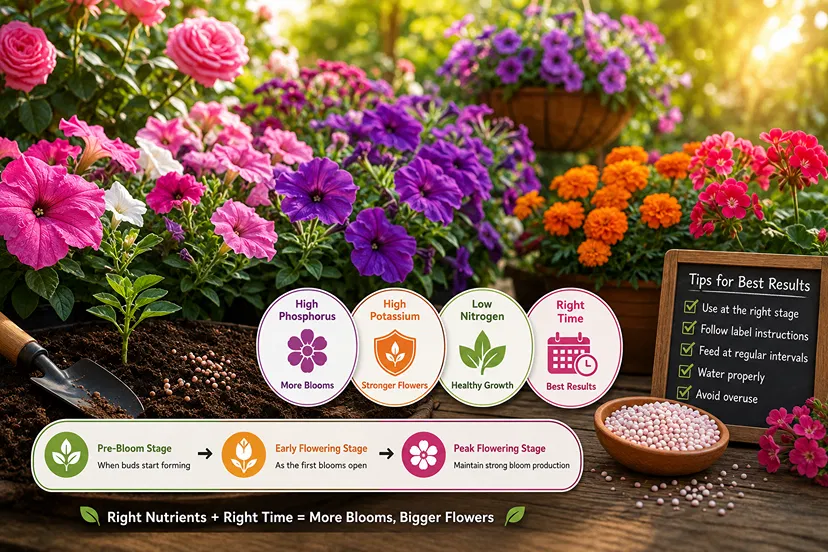
A flowering booster is a nutrient blend designed to support the transition from vegetative growth to flowering. It helps plants focus energy on producing buds, blossoms, and strong flower clusters rather than only leaves and stems.
These products often contain higher levels of phosphorus and potassium, along with lower nitrogen compared to general growth fertilizers. That balance encourages blooming without pushing excessive leafy growth.
Common goals of a flowering booster include:
- Promoting early and abundant bud formation
- Increasing flower size and flower count
- Supporting stronger flowering stems
- Improving bloom uniformity
Flowering boosters are especially useful for ornamental plants, herbs grown for blooms, and fruiting crops before the fruiting stage begins. They are best applied when plants have matured enough to begin forming flower buds.
What Is a Fruit Booster?
A fruit booster is designed for the stage after flowering, when flowers have been pollinated and the plant begins producing fruit. Its purpose is to support fruit development, reduce flower drop, and improve fruit size, flavor, firmness, and overall yield.
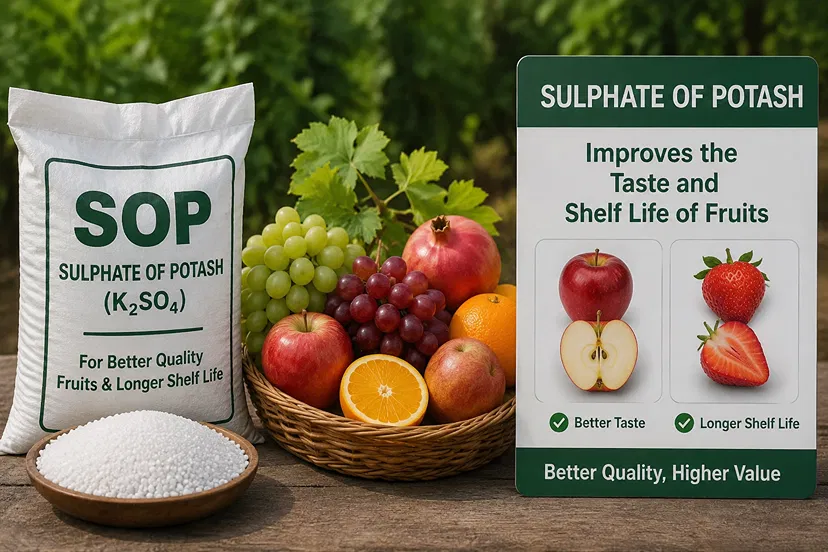
Fruit boosters often contain potassium-heavy formulas, plus essential nutrients such as calcium, magnesium, boron, and other micronutrients that help with cell development and fruit quality.
Common goals of a fruit booster include:
- Supporting fruit set after pollination
- Encouraging fruit enlargement and uniform sizing
- Improving sweetness, color, and texture
- Reducing fruit drop and physiological stress
Fruit boosters are especially valuable for tomatoes, peppers, cucumbers, strawberries, citrus, melons, and many other fruiting crops. They help plants shift from bloom support to actual harvest production.
Flowering Booster vs Fruit Booster: The Main Difference
The biggest difference is the growth stage each product targets. A flowering booster is used before and during bloom development, while a fruit booster is used after pollination when the plant begins investing energy into fruit formation.
In simple terms:
- Flowering booster = helps plants make flowers
- Fruit booster = helps flowers turn into healthy fruit
This difference matters because applying the wrong product at the wrong time can reduce efficiency. Too much nitrogen or the wrong nutrient balance during flowering may delay bloom development. Likewise, using a flowering booster too late may support more blossoms but not improve fruit quality.
Best Stage to Use a Flowering Booster
The best time to use a flowering booster is during the pre-flowering and early flowering stage. This is when the plant is preparing to form buds or has just started blooming.
Use a flowering booster when:
- Plants are mature and ready to bloom
- Bud formation has started
- Flower clusters are developing
- You want to encourage more blossoms before fruit set
Applying it too early, when the plant is still focused on vegetative growth, may not give the best results. Applying it too late, after fruit has already formed, usually offers less benefit than a fruit booster.
Best Stage to Use a Fruit Booster
The best time to use a fruit booster is right after flowering begins to fade and fruit set starts. This is the stage when pollination has occurred and the plant is directing nutrients toward developing fruit.
Use a fruit booster when:
- Flowers have been pollinated
- Small fruit or fruitlets are visible
- You want to improve fruit size and quality
- The plant needs support during heavy fruit production
Fruit boosters are especially effective during the early fruiting phase, when the plant is most vulnerable to stress, nutrient deficiency, and fruit drop. They help ensure that more flowers become marketable, healthy fruit.
Can You Use Both?
Yes, but not at the same time in the same stage. The best approach is to use them sequentially as the plant progresses through its growth cycle.
- Start with a flowering booster during bud initiation and bloom development.
- Switch to a fruit booster once flowers are pollinated and fruit begins to form.
This transition supports the plant naturally from flowering into fruiting. Using both in the correct order can improve productivity and reduce nutrient imbalance.
How to Choose the Right Booster
Choosing the right product depends on the crop, growth stage, and your goal. If your plant has not started flowering yet, a flowering booster may be the better option. If the plant is already setting fruit, a fruit booster will usually deliver better results.
Ask these questions before applying:
- Is the plant still vegetative, flowering, or fruiting?
- Do I want more flowers or better fruit development?
- Is the crop an ornamental, leafy plant, or fruiting plant?
- Does the product label recommend a specific stage of use?
Also pay attention to the nutrient ratio on the label. A good flowering formula often supports bloom initiation, while a fruiting formula usually emphasizes potassium and fruit-quality nutrients.
Common Mistakes to Avoid
Even the best booster will not perform well if used incorrectly. Many growers make simple timing mistakes that reduce results.
- Using a flowering booster too late: This may encourage more blooms when the plant should be focusing on fruit development.
- Using a fruit booster too early: This can be less effective if the plant has not yet formed flowers or fruit.
- Overfeeding: More fertilizer does not always mean better results and may stress the plant.
- Ignoring base nutrition: Boosters work best when the plant already has balanced overall feeding.
For best results, follow the product directions and keep an eye on plant response. Healthy leaf color, steady growth, and strong bloom-to-fruit transition are signs you are on the right track.
Final Takeaway
The difference between a flowering booster and a fruit booster comes down to timing and purpose. Use a flowering booster to encourage buds and blooms, then switch to a fruit booster to support fruit set, size, and quality. When applied at the right stage, each product helps plants perform more efficiently and produce better results.
For the best harvest, feed your plants according to their growth stage, not just the season.
If you want stronger blooms and better fruit production, choose the booster that matches your plant’s current stage and follow a consistent feeding plan from flowering through harvest.