Whether you’re planting your first seedlings or maintaining a thriving backyard oasis, having the right garden tools can make every task easier, faster, and more enjoyable. The difference between struggling in the dirt and working efficiently often comes down to the quality and usefulness of the tools in your hands. If you want healthier plants, less strain, and better results, starting with the essential gardening tools is the smartest move.
In this guide, you’ll discover the must-have garden tools every gardener needs, from beginner basics to reliable essentials that help with planting, pruning, digging, watering, and maintaining your outdoor space. These tools form the foundation of any productive garden and can help you work with confidence season after season.
Why Essential Garden Tools Matter
The right gardening tools do more than save time. They help protect your plants, reduce physical effort, and improve the overall health of your garden. With the right equipment, you can dig properly, prune cleanly, water efficiently, and keep weeds under control before they spread.
Good garden tools also reduce frustration. A sharp pruner cuts cleanly instead of crushing stems. A sturdy trowel makes planting smoother. Comfortable gloves help prevent blisters and cuts. When you build your toolkit with care, every gardening job becomes more manageable.
1. Hand Trowel
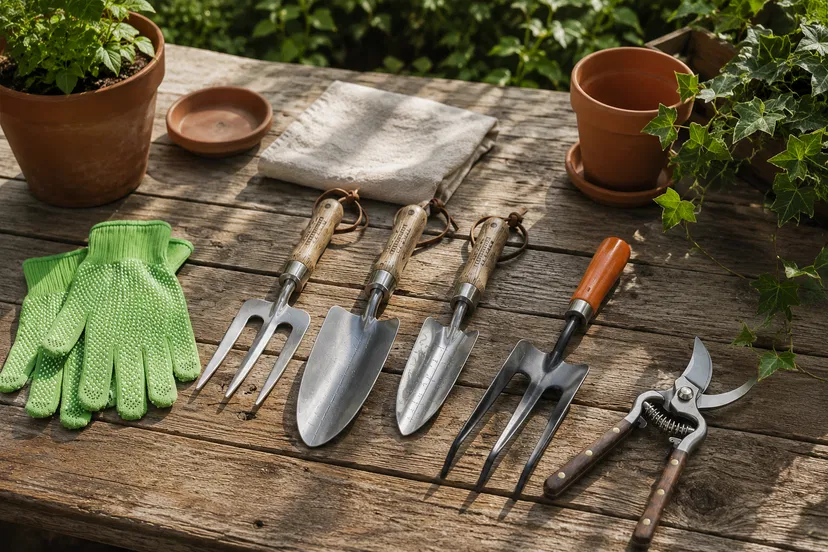
A hand trowel is one of the most essential garden tools for any gardener. It’s perfect for digging small holes, transplanting seedlings, scooping soil, and planting flowers or herbs in containers and beds.
Look for a trowel with a comfortable grip and a durable stainless steel or forged metal blade. A strong hand trowel can handle repeated use without bending or rusting quickly.
Best uses for a hand trowel
- Planting bulbs and seedlings
- Transplanting small plants
- Mixing soil and compost
- Removing weeds from tight spaces
2. Garden Gloves
Every gardener needs a reliable pair of garden gloves. They protect your hands from thorns, sharp edges, dirt, splinters, and blisters while still allowing flexibility and grip. Whether you’re pruning roses or pulling weeds, gloves help you work more comfortably and safely.
Choose gloves that fit well and match the type of work you do. Lightweight gloves are great for planting and light maintenance, while heavier gloves are better for thorny bushes, rough soil, or heavier yard work.
3. Pruning Shears
Pruning shears, also known as hand pruners or secateurs, are essential for trimming plants, shaping shrubs, and removing dead or damaged stems. Clean cuts encourage healthier growth and reduce the risk of disease.
Sharp pruning shears are one of the most valuable tools in any gardener’s collection. They make precise cuts on flowers, herbs, small branches, and stems. Dull blades can damage plants, so it’s important to keep them clean and sharpened.
Tip: Regularly disinfect pruning shears to prevent spreading plant diseases from one plant to another.
4. Garden Fork
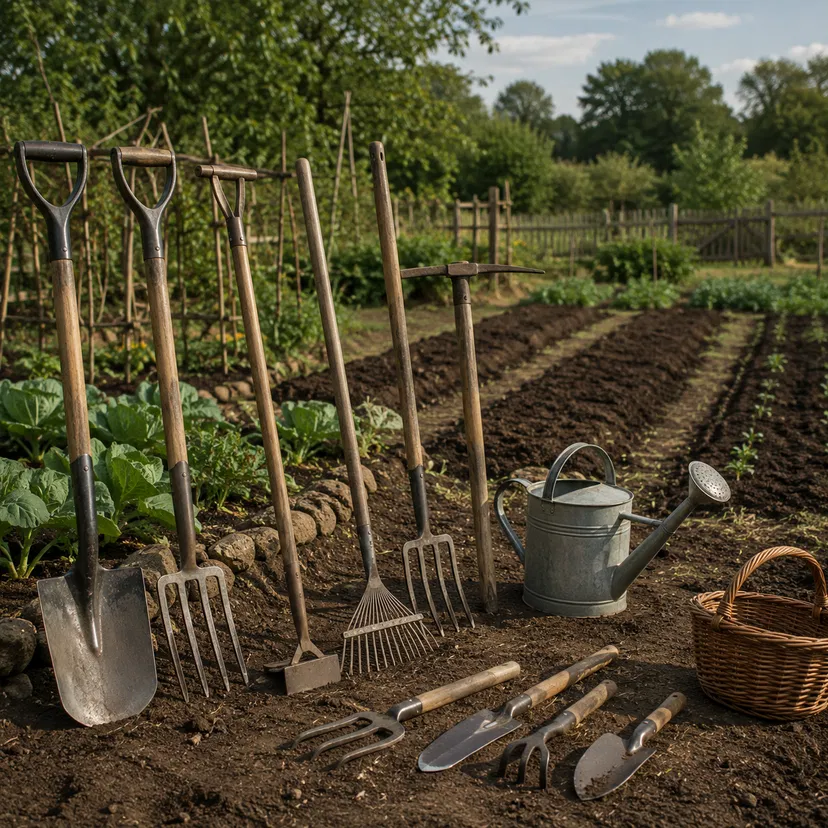
A garden fork is a versatile tool used for loosening compacted soil, turning compost, and lifting root crops such as potatoes and carrots. It is especially helpful when working with dense or clay-heavy soil that’s difficult to dig with a shovel alone.
A strong garden fork improves soil structure by helping you aerate the ground and mix in organic matter. This makes it easier for roots to grow and for water to penetrate the soil.
5. Spade or Shovel
While many gardeners use the words spade and shovel interchangeably, both are important tools with slightly different purposes. A spade is ideal for edging, digging straight-sided holes, and cutting through soil. A shovel is more useful for moving loose materials like soil, mulch, or compost.
If you’re building a basic gardening toolkit, choose one durable digging tool first and expand from there. A quality spade or shovel can handle a wide range of garden tasks and last for years with proper care.
6. Watering Can or Garden Hose
Watering is one of the most important parts of gardening, and the right tool makes it much easier to do it well. A watering can is excellent for containers, indoor plants, seed trays, and delicate seedlings. A garden hose works well for larger beds, lawns, and established plants.
For precise watering, choose a can with a detachable rose or a hose with an adjustable nozzle. This helps you control the water flow and avoid damaging fragile plants or washing away soil.
What to look for in watering tools
- Comfortable handle
- Easy-pour design
- Adjustable spray settings
- Durable, leak-resistant construction
7. Garden Rake
A garden rake is useful for leveling soil, removing debris, spreading mulch, and preparing garden beds. It helps create a smooth, even surface for planting and keeps your outdoor space tidy.
There are different types of rakes, but a standard leaf rake and a sturdy soil rake are the most common options for home gardeners. A rake is especially helpful during seasonal cleanup and bed preparation.
8. Hoe
A hoe is a classic garden tool that helps with weeding, shaping rows, and breaking up the soil surface. It’s especially useful in vegetable gardens where you need to control weeds without disturbing nearby plants.
Using a hoe regularly can save time and reduce the need for manual weeding. It’s a simple tool, but in the right hands, it’s extremely effective for maintaining healthy garden beds.
9. Wheelbarrow or Garden Cart
If you move soil, mulch, compost, plants, or heavy tools around your yard, a wheelbarrow or garden cart is indispensable. It reduces strain on your back and helps you transport materials more efficiently.
For smaller gardens, a compact garden cart may be enough. For larger yards or frequent hauling, a sturdy wheelbarrow offers greater versatility. This is one of those tools that quickly becomes a favorite once you start using it.
10. Kneeling Pad or Garden Stool
Gardening often involves long periods of kneeling, crouching, or bending. A kneeling pad or garden stool adds comfort and helps protect your knees and joints during planting, weeding, and harvesting.
Though it may not seem as essential as a trowel or pruner, this comfort tool can make a big difference in how long and how often you can work in the garden. For gardeners of any age, comfort supports consistency.
Optional but Helpful Garden Tools
Once you’ve covered the basics, a few additional garden tools can make your workflow even better. These aren’t always necessary for beginners, but they can be very useful as your garden grows.
- Garden knife: Useful for cutting twine, dividing plants, and general garden tasks
- Sprayer: Helpful for applying water, foliar feeds, or gentle treatments
- Loppers: Great for thicker branches that pruning shears can’t handle
- Soil scoop: Ideal for potting mix and container gardening
- Plant labels: Perfect for tracking seedlings, herbs, and seasonal crops
How to Choose the Right Garden Tools
When choosing essential garden tools, focus on durability, comfort, and purpose. A tool that feels good in your hand and performs reliably is worth more than a cheaper option that wears out quickly.
- Choose quality materials: Stainless steel, forged metal, and weather-resistant handles last longer.
- Check comfort: Ergonomic grips reduce hand fatigue during long gardening sessions.
- Match the tool to the task: Use the right tool for digging, pruning, watering, or weeding.
- Consider storage: Compact tools are easier to organize and maintain.
- Invest gradually: Start with the essentials and add more tools as your garden needs grow.
Maintaining Your Garden Tools
Even the best garden tools won’t last long without basic care. Cleaning, drying, and storing them properly helps extend their life and keeps them working well.
- Rinse off soil after each use
- Dry tools thoroughly to prevent rust
- Sharpen blades as needed
- Oil metal parts occasionally
- Store tools in a dry, organized space
Taking just a few minutes to care for your tools can save money and prevent breakdowns later. Well-maintained tools also perform better and make gardening safer.
Final Thoughts
The essential garden tools every gardener needs are the ones that help you work efficiently, protect your hands, and support healthy plant growth. From a simple hand trowel to a dependable pair of pruning shears, each tool has a role in making gardening easier and more rewarding.
If you’re starting your gardening journey, begin with the basics and build your collection over time. The right tools will help you plant with confidence, maintain your garden with less effort, and enjoy the process from season to season.
Ready to upgrade your gardening toolkit? Start with these essentials, and you’ll be well-equipped to grow a healthier, more beautiful garden.