Choosing between drip and sprinkler irrigation can have a major impact on plant health, water bills, and long-term maintenance. Both systems help you water efficiently, but they work in very different ways. If you want to conserve water, reduce plant stress, and make your landscape easier to manage, understanding the differences between drip irrigation and sprinkler irrigation is essential.
In this guide, we’ll break down how each system works, compare their pros and cons, and help you decide which irrigation method is best for your garden, lawn, or landscape.
What Is Drip Irrigation?
Drip irrigation delivers water slowly and directly to the root zone of plants through tubes, emitters, and micro-sprayers. Instead of spraying water broadly, it targets the soil where plants need moisture most.
This method is especially popular in vegetable gardens, flower beds, shrubs, trees, and container plants because it minimizes water waste and keeps foliage dry.
Key Benefits of Drip Irrigation
- Water efficiency: Uses less water by delivering it directly to the roots.
- Reduced evaporation: Less water is lost to wind and sun.
- Healthier plants: Dry leaves can help reduce fungal disease.
- Weed control: Water is targeted, so surrounding weeds get less moisture.
- Customizable: Easy to adjust for different plant types and bed layouts.
What Is Sprinkler Irrigation?
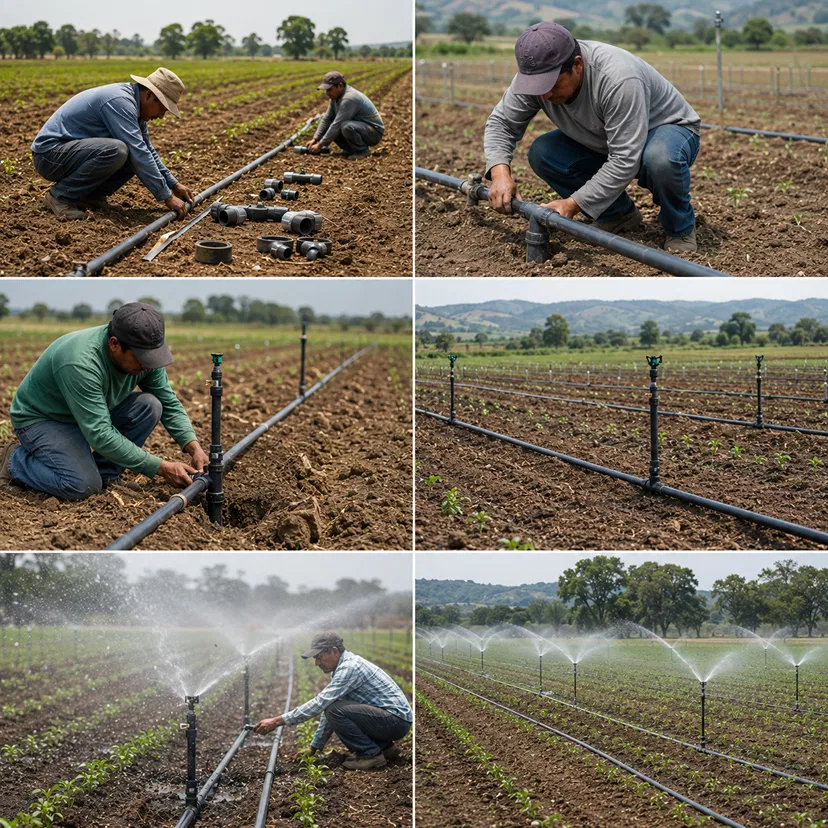
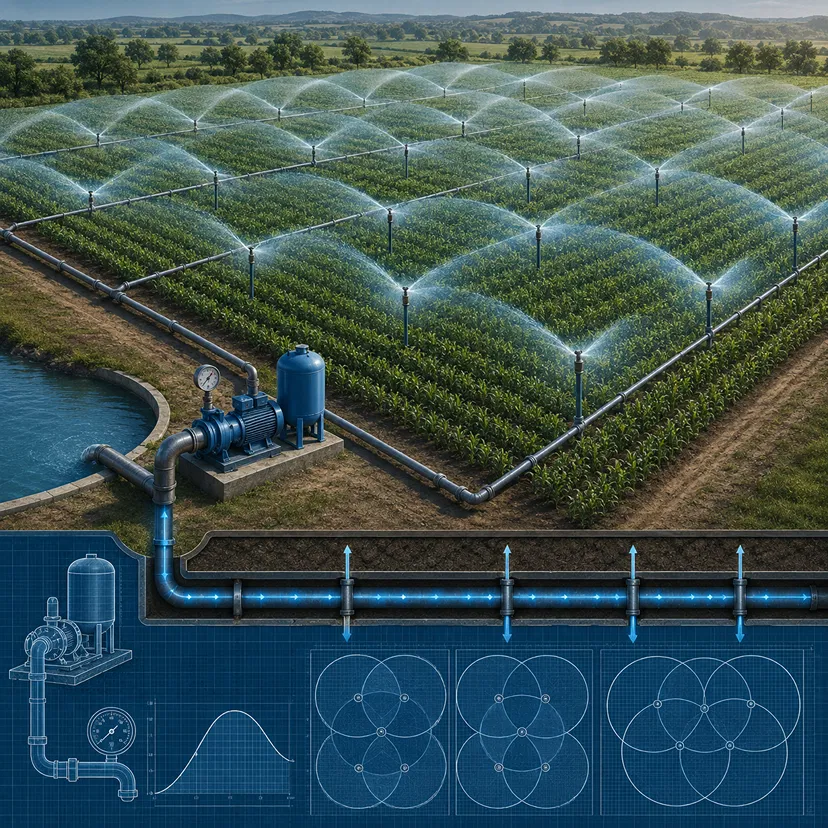
Sprinkler irrigation distributes water over a wide area by spraying it into the air, much like natural rainfall. It is commonly used for lawns, large open landscapes, and some groundcover areas.
Sprinkler systems can be fixed or rotating, pop-up or stationary, and are often designed to cover large zones at once.
Key Benefits of Sprinkler Irrigation
- Wide coverage: Ideal for lawns and large open spaces.
- Convenient: Covers many plants or large areas at the same time.
- Scalable: Works well for both residential and commercial landscapes.
- Familiar system: Common and easy to understand for most homeowners.
Drip vs Sprinkler Irrigation: Main Differences
While both systems deliver water, their performance differs in several important ways. The right choice depends on your landscape, climate, and watering goals.
1. Water Efficiency
Drip irrigation is generally the more water-efficient option. Because it places water directly at the root zone, it reduces runoff, overspray, and evaporation.
Sprinkler irrigation can use more water because some moisture is lost to wind, heat, and evaporation before it reaches the soil. This is especially true in hot or windy climates.
Best for water savings: Drip irrigation
2. Best Use Cases
Drip irrigation is best for:
- Garden beds
- Vegetable patches
- Shrubs and hedges
- Trees
- Raised beds and containers
Sprinkler irrigation is best for:
- Lawns
- Large open areas
- Groundcover
- Parks and sports fields
3. Plant Health
Drip irrigation helps keep plant leaves and stems dry, which can lower the risk of mildew, blight, and other fungal problems. This makes it a strong choice for many ornamental and edible plants.
Sprinklers wet the entire plant surface, which can be fine for turf grass but less ideal for plants that are prone to disease when foliage stays damp for too long.
4. Maintenance
Drip systems often require regular checks for clogged emitters, leaks, or root intrusion. They are precise, but that precision means small issues can affect performance.
Sprinkler systems can also need maintenance, especially if sprinkler heads become misaligned, clogged, or damaged. Leaks underground or poor coverage can go unnoticed until your lawn shows dry spots.
5. Installation Cost
Drip irrigation systems can be less expensive for smaller garden beds, but costs may rise if the layout is complex or if you need many zones. They are often a smart long-term investment because of the water savings.
Sprinkler systems may cost more upfront in some landscapes, especially if trenching and piping are required. However, for lawns and larger properties, they are often the more practical choice.
Drip Irrigation Pros and Cons
Pros
- Highly efficient water use
- Supports healthier root development
- Reduces weed growth
- Works well for mixed planting beds
- Can be automated easily
Cons
- Emitters may clog over time
- Not ideal for large lawns
- Can require more setup for irregular layouts
- Less visible problems can make leaks harder to spot
Sprinkler Irrigation Pros and Cons
Pros
- Excellent for lawn irrigation
- Covers wide areas quickly
- Simple and familiar for many users
- Can be integrated with smart timers and controllers
Cons
- More water loss from evaporation and overspray
- Can encourage fungal disease on foliage
- Uneven coverage if heads are poorly positioned
- Higher risk of watering sidewalks, driveways, and non-plant areas
Which Irrigation System Should You Choose?
The best irrigation system depends on what you are watering. In many landscapes, the answer is not either-or. A combination of drip and sprinkler irrigation often provides the most efficient solution.
Choose Drip Irrigation If You:
- Want to save water
- Have garden beds, shrubs, or trees
- Need precise watering for different plant types
- Want to reduce weed growth
- Are focused on plant health and soil moisture control
Choose Sprinkler Irrigation If You:
- Have a large lawn
- Need broad coverage for open spaces
- Want a simple way to water turf evenly
- Need a system that mimics rainfall
Can You Use Both Systems Together?
Yes, and in many cases, that is the smartest approach. A hybrid irrigation setup lets you use sprinkler irrigation for the lawn and drip irrigation for beds, shrubs, and trees. This gives each part of your landscape the watering method it needs most.
This combined strategy often improves efficiency, reduces waste, and helps plants thrive with less guesswork.
Smart Tips for Better Irrigation
- Water early in the morning to reduce evaporation and allow leaves to dry.
- Group plants by water needs so each irrigation zone is more efficient.
- Check for leaks and clogs regularly to avoid wasted water.
- Use mulch to help retain soil moisture around drip-irrigated plants.
- Adjust watering seasonally based on weather, rainfall, and plant growth.
Final Verdict: Drip vs Sprinkler Irrigation
When comparing drip vs sprinkler irrigation, there is no single winner for every landscape. Drip irrigation is the best choice for water savings, targeted watering, and plant health in beds and planted areas. Sprinkler irrigation is the better option for lawns and broad, open spaces that need even surface coverage.
If you want the most efficient and flexible solution, consider using both systems together. That way, your lawn gets the coverage it needs while your garden gets the precision it deserves.
Bottom line: Match the irrigation system to the plant, not the other way around. The right setup can save water, lower maintenance, and keep your landscape looking its best all season long.