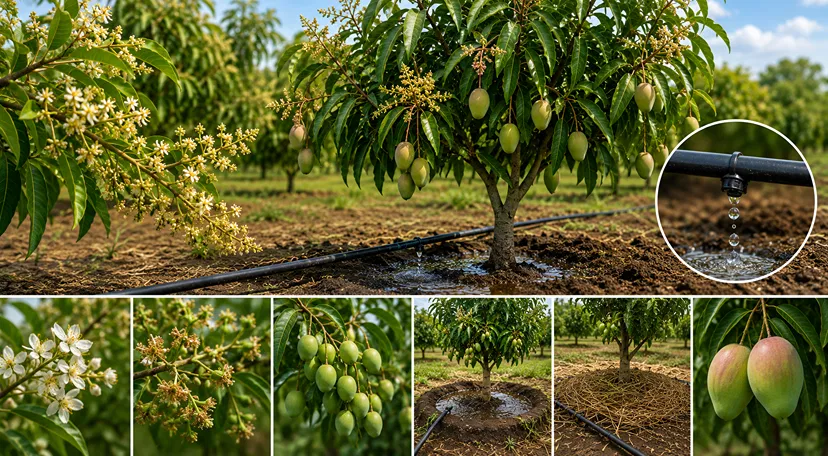
When vegetables get water the right way, everything changes: roots grow deeper, leaves stay healthier, and harvests become more reliable. That is exactly why drip irrigation for vegetables has become one of the most effective ways to save water and boost yield. Instead of soaking the entire garden, drip systems deliver moisture directly to the root zone, where plants need it most.
Whether you grow tomatoes in raised beds, lettuce in rows, or cucumbers on trellises, a crop-wise drip irrigation plan can help you water more precisely and grow more efficiently. In this guide, you’ll learn how to use drip irrigation for different vegetables, how much water each crop typically needs, and how to set up a system that fits your garden.
Why Drip Irrigation Works So Well for Vegetables
Drip irrigation is a low-pressure watering method that slowly releases water through emitters, tubing, or drip tape. For vegetable gardens, this method offers major advantages:
- Water efficiency: Less evaporation and runoff compared to sprinklers.
- Healthier plants: Dry foliage means fewer fungal diseases.
- Better yields: Consistent soil moisture supports steady growth.
- Less weed pressure: Water is delivered only where crops are planted.
- Convenience: Automate watering with a timer and reduce daily labor.
For vegetable growers, consistency matters just as much as volume. Many crops suffer when soil swings between too dry and too wet. Drip irrigation helps smooth out those fluctuations.
How to Plan a Vegetable Drip Irrigation System
Before looking at crop-by-crop needs, it helps to understand the basic setup. A vegetable drip irrigation system usually includes a water source, filter, pressure regulator, mainline tubing, drip lines or tape, and emitters.
Key planning steps
- Group crops by watering needs: Put high-water vegetables together and drought-tolerant crops in separate zones.
- Check soil type: Sandy soil drains faster and needs shorter, more frequent watering. Clay soil holds water longer.
- Match emitter flow to plant size: Small seedlings need less water than mature fruiting crops.
- Use mulch: Organic mulch reduces evaporation and improves drip system performance.
- Water early in the day: Morning watering helps plants absorb moisture before heat peaks.
A well-designed drip system is flexible. You can adjust run times and emitter spacing depending on whether you are growing leafy greens, root vegetables, or heavy-feeding fruit crops.
Crop-Wise Drip Irrigation Guide for Vegetables
1. Tomatoes
Tomatoes are one of the best crops for drip irrigation. They need steady moisture to prevent blossom-end rot and fruit cracking. Water deeply and consistently, especially once fruits begin forming.
- Recommended approach: Two drip lines per bed or emitters placed 8–12 inches from each plant
- Watering tip: Keep soil evenly moist, not soggy
- Common mistake: Letting plants dry out and then overwatering
Tomatoes perform best when the root zone is moist but foliage stays dry. That makes drip irrigation for tomatoes especially valuable in humid climates.
2. Peppers
Peppers need consistent watering to support flowering and fruit development. Like tomatoes, they dislike wet leaves and erratic moisture levels. Drip irrigation helps maintain stable soil conditions.
- Recommended approach: One or two emitters per plant, placed near the root zone
- Watering tip: Reduce water slightly once plants are established, but never let them wilt repeatedly
- Common mistake: Overwatering young pepper plants
For hot peppers and bell peppers alike, regular drip watering leads to stronger plants and better fruit set.
3. Cucumbers
Cucumbers grow quickly and need frequent moisture, especially during flowering and fruiting. If they dry out too much, the fruits can become bitter or misshapen.
- Recommended approach: Drip tape or closely spaced emitters along rows
- Watering tip: Keep the soil consistently moist during production
- Common mistake: Irregular watering during hot weather
Because cucumbers have shallow roots, they benefit from shorter but more frequent drip irrigation cycles.
4. Lettuce and Leafy Greens
Lettuce, spinach, kale, and other leafy greens prefer evenly moist soil. Dry spells can make leaves bitter or cause plants to bolt prematurely.
- Recommended approach: Low-flow drip lines or tape with close emitter spacing
- Watering tip: Keep the top few inches of soil from drying out completely
- Common mistake: Watering too heavily, which can encourage rot
For salad greens, drip irrigation is especially useful because it keeps leaves clean and reduces soil splash.
5. Carrots
Carrots need even moisture during germination and root development. If the soil dries out and then gets drenched, roots may split or grow unevenly.
- Recommended approach: Gentle, shallow drip lines with frequent light watering
- Watering tip: Maintain consistent moisture until seedlings are established
- Common mistake: Allowing crusting or drying during germination
Once carrots are established, reduce watering gradually to encourage deeper roots and better flavor.
6. Beans
Beans are more tolerant of moderate dryness than some vegetables, but they still produce better when moisture is steady during flowering and pod formation.
- Recommended approach: One drip line per row
- Watering tip: Focus on bloom and pod development stages
- Common mistake: Overwatering, which can lead to weak growth
Drip irrigation for beans works well because it supports healthy growth without making the canopy overly humid.
7. Squash and Zucchini
Squash plants are heavy feeders with broad root systems and large leaves that lose water quickly. They need regular irrigation to keep producing tender fruits.
- Recommended approach: Two emitters per plant or drip tape in mounded rows
- Watering tip: Water deeply and consistently during fruiting
- Common mistake: Underwatering during peak summer heat
These crops respond well to mulch plus drip irrigation, which helps reduce stress and improve yields.
8. Root Vegetables: Radishes, Beets, and Turnips
Root vegetables need balanced soil moisture to form smooth, well-shaped roots. Too much water can cause rot, while too little can lead to woody or cracked roots.
- Recommended approach: Moderate drip output with even coverage
- Watering tip: Keep soil moist but not saturated
- Common mistake: Inconsistent watering cycles
For best results, maintain a steady drip schedule throughout early growth and root enlargement.
9. Onions and Garlic
Onions and garlic prefer regular watering early in the season, followed by reduced irrigation as bulbs mature. Too much water late in the season can reduce storage quality.
- Recommended approach: Light-to-moderate drip lines along rows
- Watering tip: Keep soil evenly moist until bulbs begin to size up
- Common mistake: Continuing heavy watering too close to harvest
Drip irrigation makes it easier to taper moisture gradually, which is important for bulb development and curing.
Best Practices for Drip Irrigation in Vegetable Gardens
To get the most from your drip irrigation system, focus on consistency and observation. No two gardens are exactly alike, and weather, soil, and plant stage all affect water demand.
- Test soil moisture: Check below the surface, not just the top layer.
- Adjust seasonally: Increase watering during hot, dry spells and reduce it in cooler weather.
- Inspect emitters regularly: Clogged lines can cause uneven growth.
- Use a timer: Automated watering improves consistency and saves time.
- Flush the system: Periodically clean lines to prevent buildup and blockages.
A simple routine of monitoring and adjustment can dramatically improve the results of drip irrigation for vegetables.
How Much to Water Vegetable Crops
The exact water amount depends on climate, soil, and growth stage, but most vegetable gardens need about 1 to 1.5 inches of water per week, including rainfall. During very hot weather or fruiting stages, some crops may need more.
Tip: Instead of watering by calendar alone, use plant response and soil moisture as your guide. Healthy vegetables typically show steady growth, firm stems, and moist, crumbly soil at root depth.
Drip systems work best when you adapt run time based on crop needs rather than applying the same schedule to every vegetable.
Common Mistakes to Avoid
- Using one watering schedule for all crops: Leafy greens and fruiting vegetables have different needs.
- Skipping filtration: Dirty water can clog emitters quickly.
- Placing emitters too far from roots: Water should reach the active root zone.
- Overwatering: Saturated soil can cause rot and reduce oxygen around roots.
- Neglecting seasonal changes: Water demand shifts as temperatures rise or fall.
Good drip irrigation is not just about installation; it is about ongoing adjustment. The more closely you match water delivery to each crop, the better your garden will perform.
Conclusion
Drip irrigation for vegetables is one of the smartest upgrades a gardener or grower can make. It saves water, supports healthier plants, and improves harvest quality across a wide range of crops. From tomatoes and peppers to lettuce, carrots, and squash, each vegetable responds best when water is delivered steadily and directly to the root zone.
If you want stronger plants and more efficient watering, start by grouping crops by need, setting up a simple drip system, and adjusting it as the season progresses. With a crop-wise approach, you’ll spend less time guessing and more time growing a productive vegetable garden.
Start with one bed, monitor results, and refine your system. Once you see the difference, drip irrigation may become the most valuable part of your vegetable-growing setup.