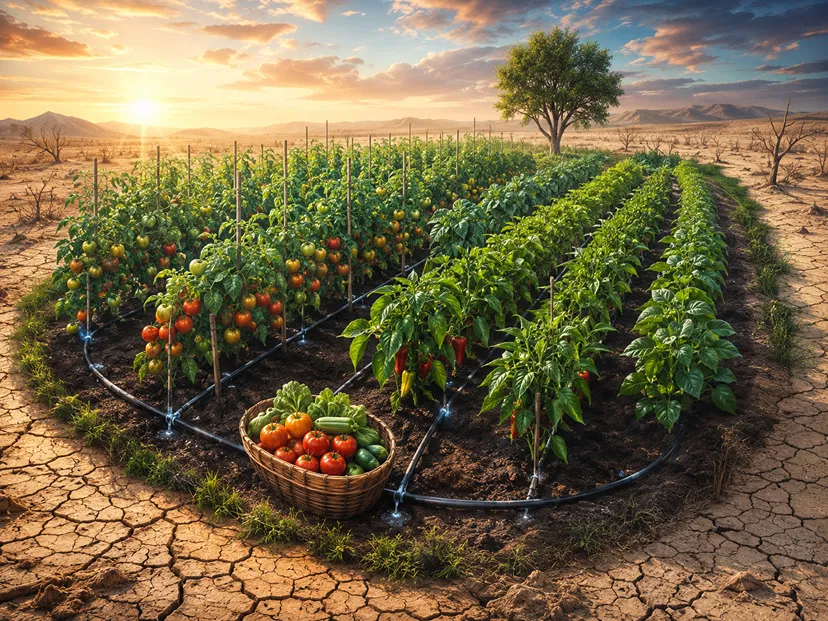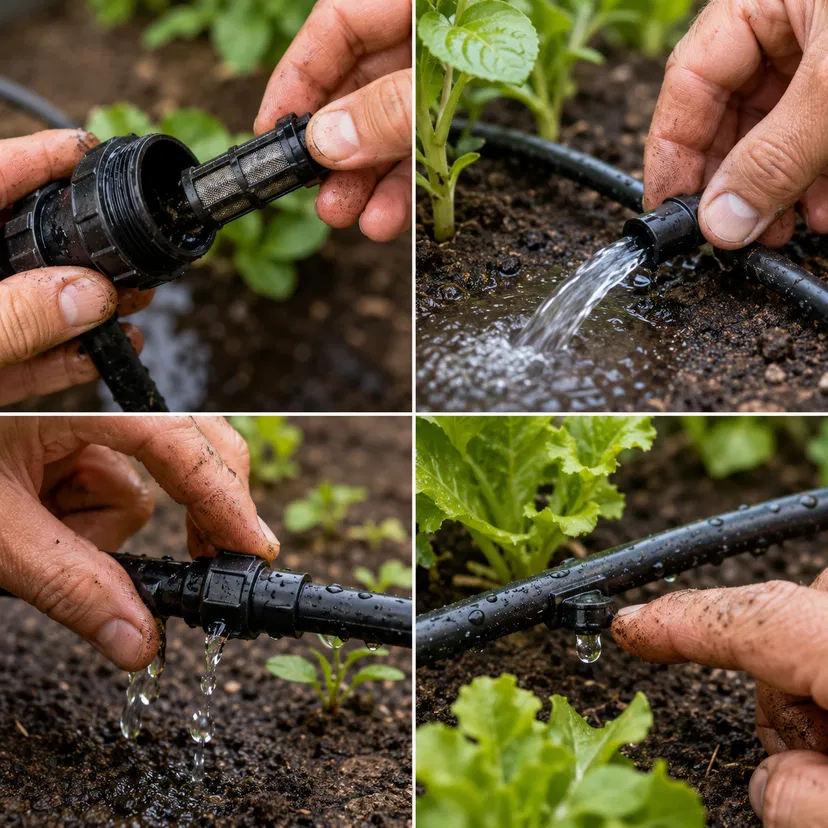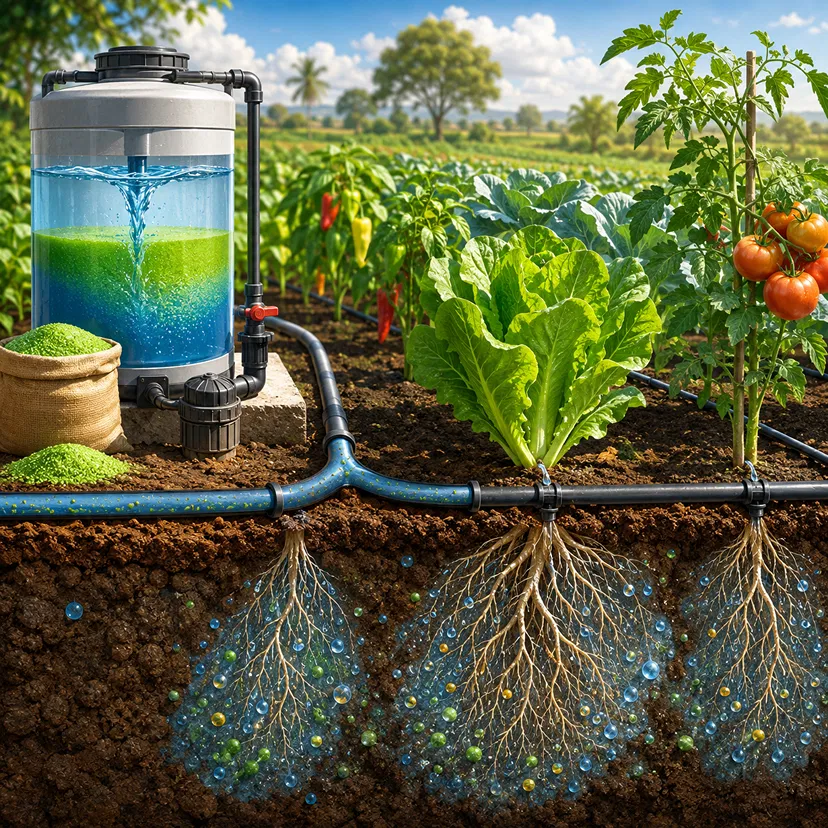
In drip irrigation, water quality can make or break system performance. Even small amounts of debris, algae, or sediment can clog emitters, reduce pressure, and lead to uneven watering. That is why choosing the right drip irrigation filter is essential for protecting your system and maintaining efficient water delivery.
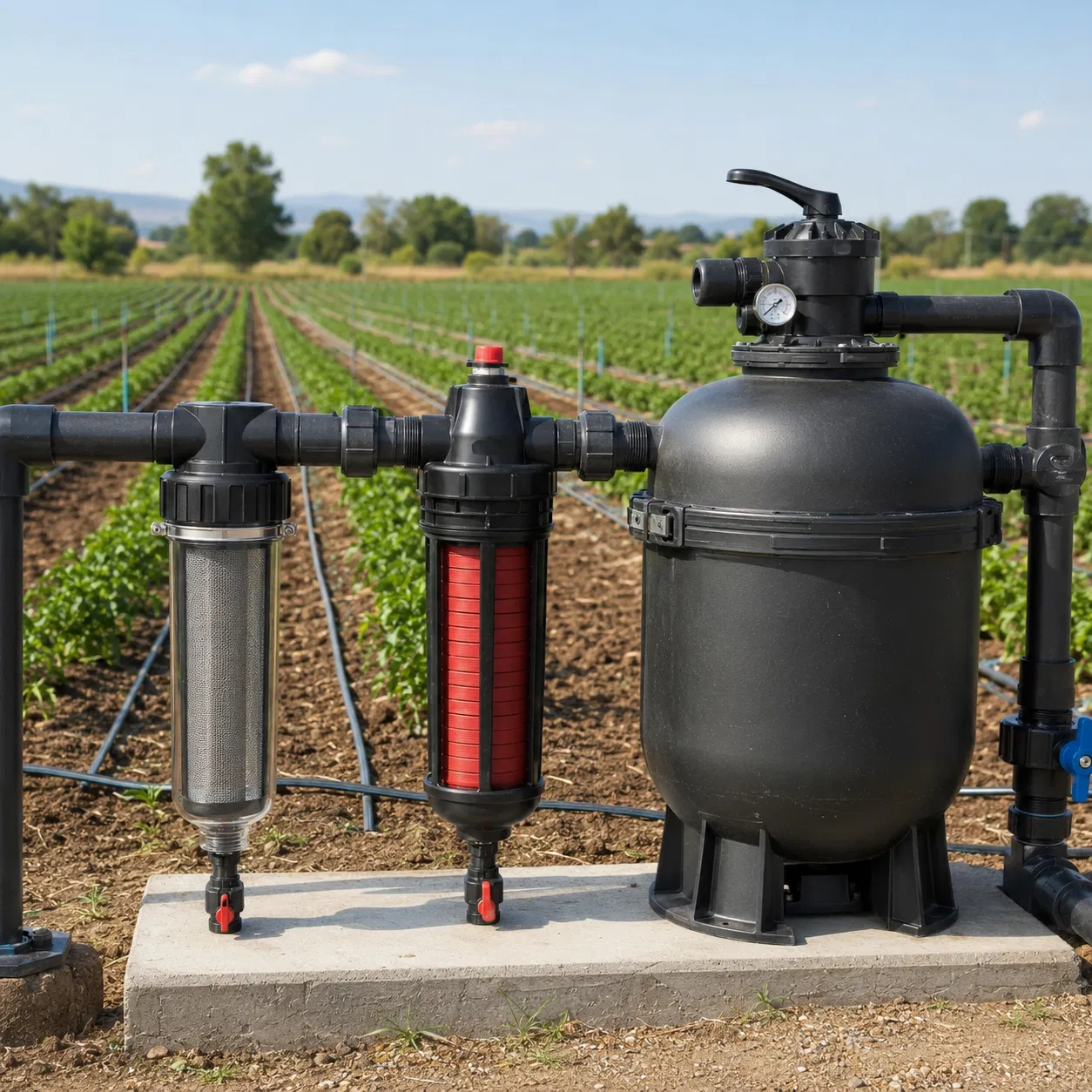
The three most common filter types used in drip irrigation are screen filters, disc filters, and sand filters. Each one works differently, each has its own strengths, and each is suited to specific water conditions. Understanding how they compare will help you choose the best option for your farm, garden, greenhouse, or landscape irrigation setup.
Why Filtration Matters in Drip Irrigation
Drip irrigation systems use tiny emitters to release water slowly and precisely. Those small openings are highly vulnerable to clogging. Without proper filtration, suspended particles such as sand, silt, organic matter, and algae can accumulate inside the system and cause serious problems.
A good filtration system helps you:
- Prevent emitter clogging
- Maintain uniform water distribution
- Reduce maintenance and repair costs
- Extend the life of the irrigation system
- Improve crop health and water-use efficiency
In short, filtration is not optional in drip irrigation. It is a core part of system design.
Screen Filters: Simple, Effective, and Common
Screen filters are one of the most widely used filtration options in drip irrigation. They use a fine mesh screen to trap debris as water passes through. The mesh size determines how small the particles must be before they are removed.
How Screen Filters Work
Water enters the filter housing and passes through a cylindrical or flat screen element. Larger particles remain on the screen surface, while clean water moves through to the irrigation lines. The screen can be removed and cleaned when needed.
Advantages of Screen Filters
- Compact and easy to install
- Low cost compared to other filter types
- Simple design with minimal moving parts
- Suitable for removing inorganic particles such as sand and grit
Limitations of Screen Filters
- Can clog quickly when water has high organic content
- Requires frequent cleaning in dirty water conditions
- Less effective with sticky or soft debris like algae
Screen filters are often a good choice for relatively clean water sources such as wells or pre-filtered water supplies. They are especially useful in systems where sediment is the main concern rather than biological material.
Disc Filters: Better Surface Area and More Flexibility
Disc filters are another popular choice for drip irrigation filtration. Instead of a mesh screen, they use a stack of grooved discs compressed together to form a filtration surface. Water flows through the grooves, and particles are trapped between the discs.
How Disc Filters Work
The compressed discs create a complex filtration path that captures debris more effectively than a basic screen in many conditions. When the filter needs cleaning, the discs are separated and rinsed, allowing trapped material to be removed.
Advantages of Disc Filters
- Excellent filtration performance for both organic and inorganic debris
- More surface area than screen filters, which can reduce clogging frequency
- Easy to clean and reuse
- Good option for moderate water quality challenges
Limitations of Disc Filters
- Usually more expensive than screen filters
- May still require regular maintenance in heavily contaminated water
- Performance depends on proper disc tightening and installation
Disc filters are often considered a versatile middle ground. They work well in agricultural drip systems, orchards, nurseries, and landscape irrigation where water quality varies and a higher level of filtration is needed.
Sand Filters: Best for Organic and Heavy Debris Loads
Sand filters, also called media filters, are designed for water sources with high amounts of organic material, such as ponds, canals, lakes, and recycled water systems. They use layers of sand or other media to trap debris as water flows through the tank.
How Sand Filters Work
Water enters the filter tank and passes downward through the media bed. Particles are captured throughout the depth of the sand, not just on the surface. This makes sand filters highly effective for removing algae, slime, and fine organic matter. When the filter becomes loaded with debris, it is cleaned by backwashing, which reverses the flow and flushes contaminants out.
Advantages of Sand Filters
- Excellent for high-organic and dirty water sources
- Very effective at trapping algae and biofilm-forming material
- Deep-bed filtration provides strong dirt-holding capacity
- Ideal for large-scale and demanding irrigation systems
Limitations of Sand Filters
- Higher initial cost
- Requires more space than screen or disc filters
- Needs backwashing infrastructure and water supply
- More complex system design and maintenance
Sand filters are the preferred solution when water quality is poor or when the source contains significant biological contamination. They are commonly used in commercial agriculture and reclaimed water applications.
Screen vs Disc vs Sand Filters: Which One Should You Choose?
The best filter depends on your water source, system size, and maintenance capacity. There is no single filter that works best in every situation.
Choose the filter that matches your water quality, not just your budget. A cheaper filter may cost more over time if it leads to clogging, downtime, or crop loss.
Here is a simple way to think about it:
- Screen filters are best for relatively clean water with mostly sand and sediment.
- Disc filters are best for mixed water quality and moderate levels of debris.
- Sand filters are best for dirty water with algae, organics, or recycled water.
Key Selection Factors
- Water source: Well water, surface water, or reclaimed water each require different filtration approaches.
- Particle type: Sand and silt behave differently from algae and organic matter.
- Flow rate: Larger systems may need higher-capacity filtration.
- Maintenance routine: Some filters need more frequent cleaning or backwashing.
- Emitter sensitivity: Smaller emitters require finer filtration.
Maintenance Tips for Better Filter Performance
Even the best filter will not perform well without regular maintenance. Keeping your filtration system in good condition is essential for reliable drip irrigation.
- Inspect filters regularly for pressure loss or visible buildup
- Clean screen and disc filters before clogging becomes severe
- Monitor pressure gauges to identify when cleaning is needed
- Backwash sand filters according to system recommendations
- Check for cracks, worn seals, and damaged components
Routine maintenance helps prevent unexpected shutdowns and keeps emitters delivering water evenly across the field or landscape.
Final Thoughts on Drip Irrigation Filters
Choosing between screen, disc, and sand filters comes down to understanding your water source and the level of protection your drip system needs. Screen filters are simple and affordable, disc filters offer versatile performance, and sand filters provide the strongest defense against organic contamination.
If you want consistent irrigation performance, healthier plants, and fewer clogging problems, invest in the right filtration strategy from the start. A well-matched filter system is one of the smartest ways to improve drip irrigation efficiency and protect your long-term results.
Take the time to evaluate your water quality, compare filter options, and choose a system built for your conditions. The right filter will save time, reduce maintenance, and keep your irrigation working at its best.