Stored grain is vulnerable from the moment it enters a warehouse, silo, or bagged storage system. Insects can quietly multiply, damage quality, reduce market value, and create costly losses before the problem is even noticed. That is why deltamethrin for grain storage pest protection has become a trusted option for many grain handlers looking to preserve product quality and minimize infestations.
As a synthetic pyrethroid insecticide, deltamethrin is widely recognized for its fast-acting control and long-lasting residual activity when used correctly. For grain storage operations, it offers a practical layer of defense against a range of common pests that threaten cereals, pulses, and other stored commodities.
What Is Deltamethrin and Why Is It Used in Grain Storage?
Deltamethrin is an insecticide developed for controlling a broad spectrum of insects. In grain storage environments, it is mainly used as a protective treatment on storage surfaces, equipment, and sometimes in specific grain protection programs depending on local regulations and label instructions.
Its popularity comes from a few key advantages:
- Effective pest control against many stored product insects
- Residual activity that can help protect treated surfaces over time
- Low application rates compared with some older insecticides
- Compatibility with integrated pest management programs
When applied properly, deltamethrin helps create a protective barrier that reduces infestation pressure and supports better grain quality during storage.
Common Grain Storage Pests Controlled with Deltamethrin
Stored grain attracts a wide range of insect pests, especially in warm, humid, or poorly managed facilities. Deltamethrin is often used as part of pest control programs targeting insects such as:
- Rice weevils
- Granary weevils
- Maize weevils
- Red flour beetles
- Confused flour beetles
- Sawtoothed grain beetles
- Indian meal moths
- Other stored product beetles and moths
These pests can feed directly on grain kernels, contaminate stores with frass and webbing, and trigger heat buildup that accelerates spoilage. Even a small infestation can spread quickly through a storage system.
How Deltamethrin Works
Deltamethrin affects the nervous system of insects, leading to rapid knockdown and death. It is most effective when insects come into contact with treated surfaces or residues. This makes it especially useful for:
- Walls and floors of grain storage buildings
- Conveyors and handling equipment
- Cracks, crevices, and entry points
- Empty storage bins and surrounding areas before loading
Because grain storage pests often hide in hard-to-reach areas, surface treatment can significantly reduce the chances of infestation taking hold. However, deltamethrin works best as part of a broader storage hygiene and monitoring strategy.
Benefits of Using Deltamethrin in Stored Grain Protection
Grain storage managers often choose deltamethrin because it fits well into modern protection programs. Its benefits include:
1. Strong Residual Performance
One of the biggest advantages of deltamethrin is its residual effect. After application to approved surfaces, it can remain active for a period of time, helping protect storage areas from new pest activity.
2. Fast Action Against Insects
Deltamethrin provides quick control, which is valuable when pest pressure is high or when a facility is preparing to receive new grain.
3. Supports Grain Quality
By helping prevent insect feeding and contamination, deltamethrin supports better grain appearance, lower weight loss, and improved marketability.
4. Useful in Preventive Programs
Rather than waiting for a major infestation, many operators use deltamethrin preventively to protect clean facilities before storage begins.
Best Practices for Grain Storage Pest Protection
Using deltamethrin effectively requires more than just spraying a product. Success depends on a full storage management approach. The following practices help improve results:
- Clean the facility thoroughly before applying any insecticide.
- Remove old grain, dust, and debris that can shelter pests.
- Treat storage surfaces according to label directions and local rules.
- Inspect bins and equipment for cracks, leaks, and harborage areas.
- Monitor regularly using traps and routine inspections.
- Control moisture and temperature to make storage less favorable for insects.
- Rotate pest control strategies to reduce the risk of resistance.
Tip: The best grain storage pest protection comes from combining sanitation, monitoring, and targeted insecticide use—not relying on one solution alone.
Application Considerations and Safety
Deltamethrin should always be used exactly as directed on the product label and in compliance with local agricultural regulations. Proper application matters for both effectiveness and safety.
Important considerations include:
- Only treat approved areas and follow label restrictions
- Use the correct dose and application method
- Avoid contaminating grain directly unless the product is specifically labeled for that use
- Wear required protective equipment
- Allow treated areas to dry before handling grain or re-entering, if required
- Keep records of treatments, pest monitoring, and inspection results
Following these guidelines helps ensure that pest control is effective while maintaining worker safety and regulatory compliance.
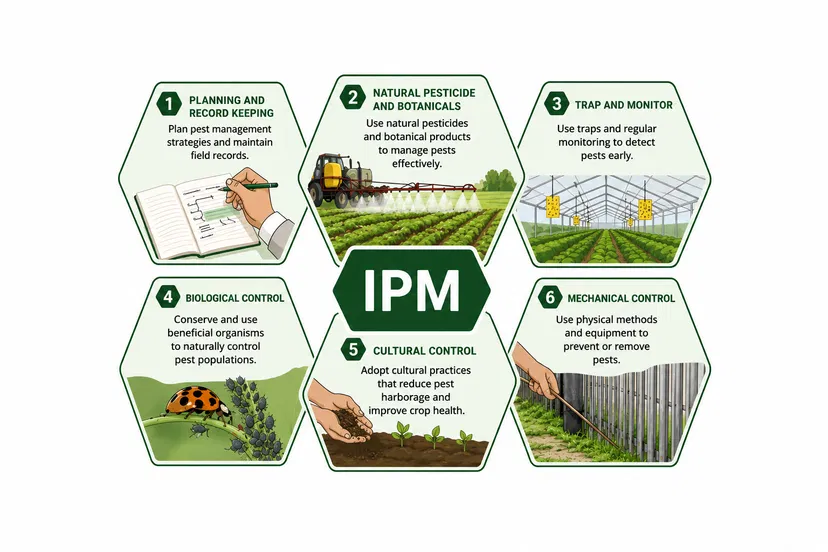
Integrating Deltamethrin into an IPM Strategy
Integrated pest management, or IPM, is the most reliable approach for long-term grain storage protection. Deltamethrin plays an important role in IPM, but it should be used alongside other tactics.
A strong IPM program may include:
- Pre-storage facility cleaning
- Structural sealing and repairs
- Temperature and humidity management
- Grain turnover and first-in, first-out storage practices
- Routine pest inspections and trap monitoring
- Targeted insecticide applications when needed
This balanced strategy reduces dependence on a single treatment method and helps keep pest populations under control throughout the storage cycle.
When to Use Deltamethrin for Grain Storage Pest Protection
Deltamethrin is often most valuable before and during the early stages of storage, especially when facilities are being prepared for a new grain load. It can also be useful when monitoring indicates rising insect pressure in storage structures or handling areas.
It is particularly helpful when:
- A storage facility has a history of insect problems
- Cleanout and sanitation have just been completed
- New grain is about to be stored for an extended period
- Pest activity is beginning to appear around bins or equipment
Early intervention is usually far more effective and economical than trying to recover grain after a severe infestation.
Final Thoughts on Deltamethrin for Stored Grain Protection
Deltamethrin for grain storage pest protection remains a practical and widely used tool for safeguarding stored commodities from insect damage. Its strong residual activity, fast action, and compatibility with IPM programs make it a valuable part of modern grain management.
Still, the best results come from combining deltamethrin with clean facilities, careful monitoring, moisture control, and disciplined storage practices. If you want to protect grain quality, reduce losses, and stay ahead of pest pressure, building a complete storage protection plan is the smartest move.
Protect your stored grain before pests take hold. Use deltamethrin strategically, follow label directions, and make prevention the foundation of your grain storage program.