When pests become a problem, few insecticides are as widely recognized as cypermethrin. This popular pyrethroid is used in homes, agriculture, and public health settings because it works quickly and targets a broad range of insects. But what exactly is cypermethrin, how does it work, and what should you know before using it?
In this guide, we’ll break down the essentials of cypermethrin in clear, practical terms. You’ll learn what it is, where it’s used, why it’s effective, and the safety considerations that matter most.
What Is Cypermethrin?
Cypermethrin is a synthetic pyrethroid insecticide designed to mimic the insect-killing power of natural pyrethrins found in chrysanthemum flowers. It is known for fast knockdown action and long-lasting residual control against many insect pests.
Because it affects insects efficiently at low concentrations, cypermethrin is commonly used in a variety of pest control products. It is especially valued for controlling flying and crawling insects in agricultural and residential settings.
How Cypermethrin Works
Cypermethrin attacks the nervous system of insects. Specifically, it disrupts sodium channels in nerve cells, causing abnormal nerve signaling. This overstimulation leads to paralysis and death in susceptible insects.
One reason cypermethrin is so effective is that insects absorb it quickly, and its action begins soon after contact or ingestion. This makes it a reliable choice for rapid pest suppression.
In simple terms: cypermethrin overwhelms insect nerves, stopping them from functioning normally.
Common Uses of Cypermethrin
Cypermethrin is used in many ways depending on the product formulation and target pest. Its versatility is one of the main reasons it remains popular.
Agricultural Pest Control
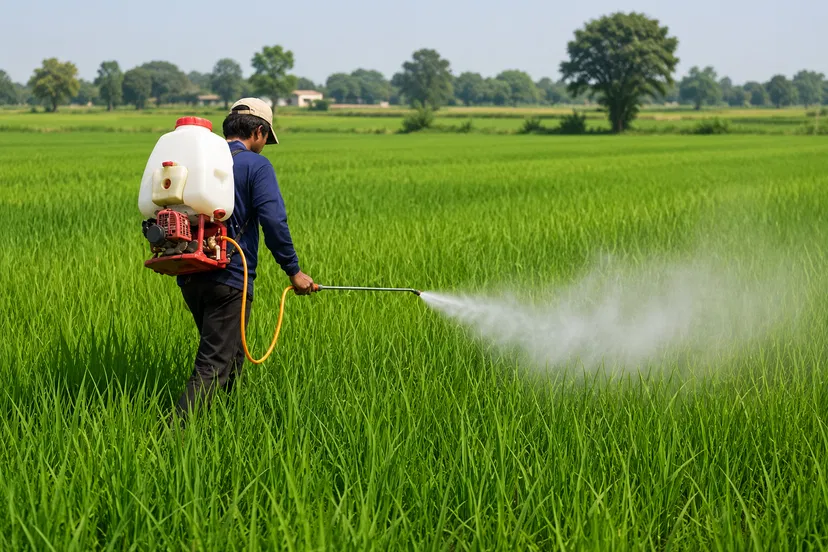
Farmers use cypermethrin to protect crops from insects that can damage leaves, stems, fruits, and seeds. It is often applied to control pests on vegetables, fruits, cotton, grains, and other commercial crops.
Residential Insect Control
In homes and around buildings, cypermethrin may be found in sprays, concentrates, and ready-to-use insecticides. It can help manage ants, roaches, flies, mosquitoes, fleas, and other nuisance pests.
Public Health and Vector Control
Cypermethrin is also used in public health programs to reduce insect populations that spread disease. Its effectiveness against mosquitoes and other vectors makes it useful in specific control efforts.
Structural and Perimeter Treatments
Some formulations are applied around foundations, entry points, or outdoor perimeter areas to create a barrier against invading insects. This helps reduce pest pressure before insects enter a home or business.
Why Cypermethrin Is Popular
Cypermethrin remains a common choice because it combines several useful qualities:
- Fast action: It works quickly on many insect species.
- Broad spectrum: It targets a wide range of pests.
- Residual effect: It can remain active for a period after application.
- Cost effectiveness: It is often affordable compared with some alternatives.
- Flexible formulations: It is available in sprays, concentrates, granules, and other forms.
These benefits make cypermethrin a practical option for both professionals and consumers, depending on the use case.
Types of Pests Cypermethrin Can Control
Cypermethrin is commonly used against a variety of insect pests, including:
- Mosquitoes
- Flies
- Ants
- Cockroaches
- Fleas
- Beetles
- Caterpillars
- Armyworms
- Termite-related pests in some applications
Effectiveness can vary depending on the pest species, application method, and whether the pest has developed resistance in a given area.
Safety Considerations for Cypermethrin
Although cypermethrin is highly effective against insects, it should be handled carefully. Like all insecticides, it must be used according to label instructions to reduce risk to people, pets, and the environment.
Human Safety
Exposure to cypermethrin can cause irritation if it contacts skin, eyes, or the respiratory system. In some cases, higher exposures may lead to symptoms such as dizziness, nausea, or headache. Proper protective measures are important when mixing or applying the product.
Pet Safety
Pets, especially cats and fish, can be sensitive to pyrethroids. It is important to keep animals away from treated areas until the product has dried or until the label says it is safe to re-enter.
Environmental Considerations
Cypermethrin can be harmful to aquatic life and beneficial insects if misused. Avoid contaminating waterways, and do not apply where runoff could carry the chemical into ponds, streams, or drains. When possible, treat only the areas that need control.
Best Practices for Using Cypermethrin
To use cypermethrin responsibly and effectively, follow these best practices:
- Read the label carefully. The label is the law and contains the correct dosage, target pests, and safety guidance.
- Use the right formulation. Choose a product designed for the specific pest and area you want to treat.
- Wear protective gear. Gloves, long sleeves, and eye protection may be recommended during handling.
- Avoid overapplication. More product does not mean better results and may increase risk.
- Store securely. Keep insecticides out of reach of children and pets.
- Rotate control methods. Use integrated pest management strategies to reduce resistance and improve long-term results.
Cypermethrin Resistance and Why It Matters
Over time, repeated exposure can lead some insect populations to develop resistance to cypermethrin and other pyrethroids. When resistance develops, the insecticide may become less effective, requiring alternative products or control strategies.
To help prevent resistance:
- Use cypermethrin only when needed.
- Follow recommended rates and timing.
- Combine chemical control with sanitation, exclusion, and monitoring.
- Rotate to other insecticide classes when appropriate.
This approach helps preserve effectiveness and supports more sustainable pest management.
Cypermethrin vs. Other Insecticides
Compared with some older insecticides, cypermethrin is often preferred because it acts quickly and works at relatively low doses. However, no insecticide is perfect for every situation.
Some products may offer better results for specific pests, while others may be safer for certain settings. The best choice depends on the target insect, environment, and application purpose. For many users, cypermethrin is a strong option when rapid control is needed.
Final Thoughts on Cypermethrin
Cypermethrin is one of the most widely used pyrethroid insecticides for good reason: it is fast-acting, versatile, and effective against many common pests. Whether used in agriculture, around homes, or in public health programs, it remains an important tool in modern pest control.
That said, effectiveness should always go hand in hand with safety. By following label directions, protecting people and pets, and using integrated pest management practices, you can get the most from cypermethrin while minimizing risks.
If you're dealing with a pest problem, choose the right product carefully, use it responsibly, and always prioritize safe application.