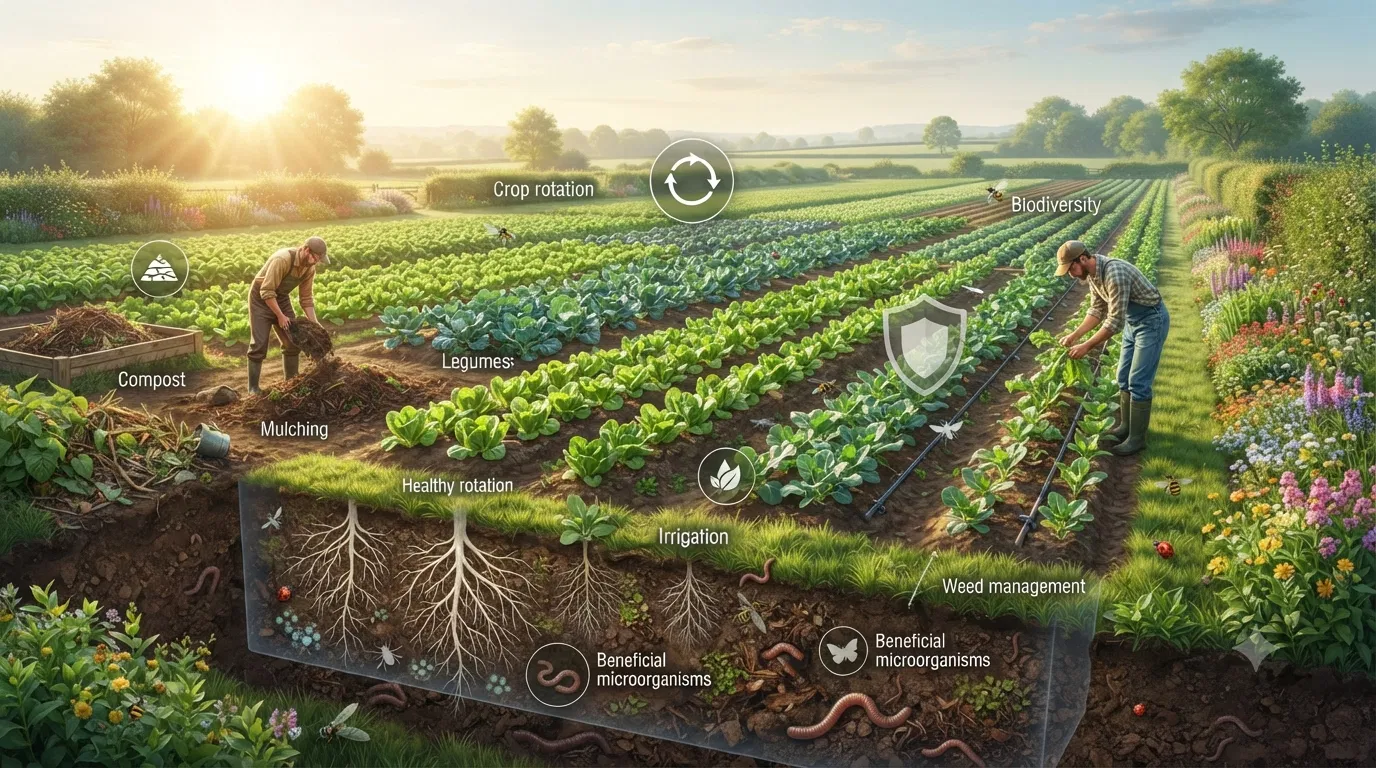
When pests show up in a field, garden, or landscape, the first instinct is often to reach for a spray. But in Integrated Pest Management (IPM), the smartest long-term solutions usually start long before pests become a major issue. That is where cultural practices for pest control come in. By changing how crops are planted, watered, rotated, pruned, and maintained, you can make the environment far less inviting to pests and much healthier for plants.
Cultural controls are one of the most effective, practical, and sustainable parts of IPM. They do not rely on chemicals. Instead, they use everyday farming and gardening decisions to prevent pests, slow their spread, and reduce damage. The result is a stronger system, fewer outbreaks, and less dependence on pesticides.
What Are Cultural Practices in IPM?
Cultural practices are management techniques that make the growing environment less favorable for pests and diseases while improving plant health. In IPM, they are considered a preventive strategy, meaning they help stop pest problems before they start or become severe.
These practices can be used in agriculture, orchards, vineyards, nurseries, landscapes, and home gardens. They work by disrupting pest life cycles, reducing shelter and food sources, and helping plants grow in a way that makes them more resilient.
In IPM, prevention is always easier and more cost-effective than reaction.
Why Cultural Pest Control Matters
Many pest problems are made worse by plant stress, overcrowding, poor sanitation, and unsuitable growing conditions. Cultural practices address these root causes. Instead of simply treating symptoms, they improve the entire production system.
Here are some of the biggest benefits:
- Reduces pest pressure before infestations build up
- Supports healthier crops that tolerate damage better
- Limits disease spread by improving airflow and sanitation
- Decreases pesticide use and resistance risk
- Improves yield and quality through better plant management
Because they are part of a broader IPM program, cultural practices work best when combined with monitoring, biological control, and targeted interventions only when needed.
Key Cultural Practices for Pest Control in IPM
1. Crop Rotation
Crop rotation is one of the oldest and most effective cultural practices for pest control. It involves changing the type of crop grown in a field from season to season, especially when pests or diseases are host-specific.
For example, rotating away from a crop that attracts a particular insect or soilborne disease can interrupt the pest's life cycle. This is especially helpful against pests that overwinter in the soil or on crop residue.
- Breaks pest and disease cycles
- Reduces buildup of soilborne pathogens
- Improves soil health and nutrient balance
2. Proper Sanitation
Sanitation is essential in pest management. Removing diseased plants, crop debris, fallen fruit, and weeds eliminates places where pests can hide, feed, and reproduce.
In orchards and gardens, sanitation also includes cleaning tools, disposing of infested material properly, and removing volunteer plants that may act as pest hosts.
- Prevents overwintering pests from surviving
- Reduces inoculum for plant diseases
- Limits breeding sites for insects and mites
3. Planting Time and Timing Adjustments
Changing planting dates can help crops avoid peak pest populations. If a vulnerable crop is planted too early or too late, it may coincide with the most damaging stage of a pest's life cycle.
By adjusting timing, growers can often reduce injury without adding inputs. This is especially useful in vegetables and annual crops where schedules are flexible.
4. Resistant Varieties
Choosing pest-resistant or disease-resistant plant varieties is a powerful IPM strategy. These varieties may have traits that make them less attractive to insects, less susceptible to infection, or better able to recover from damage.
Resistant varieties do not eliminate all pest issues, but they can significantly lower severity and reduce the need for intervention.
- Decreases plant susceptibility
- Supports better yields under pest pressure
- Works well with other cultural controls
5. Proper Spacing and Plant Density
Overcrowded plants create a humid, shaded environment that many pests and diseases love. Good spacing improves airflow, allows faster drying after rain or irrigation, and makes it harder for pests to spread from plant to plant.
In addition, proper spacing improves access for scouting, pruning, and harvest, making IPM monitoring easier and more effective.
6. Irrigation Management
Watering practices have a huge impact on pest pressure. Overwatering can weaken roots, promote fungal diseases, and create favorable conditions for insects such as fungus gnats. Underwatering, on the other hand, stresses plants and makes them more vulnerable to attack.
Smart irrigation is about delivering the right amount of water at the right time. Drip irrigation often works better than overhead watering because it keeps foliage dry and reduces disease spread.
- Prevents excess humidity around plants
- Reduces disease development
- Supports strong root systems
7. Weed Management
Weeds are more than just competition for water and nutrients. They can also serve as alternate hosts for insects, mites, and diseases. Controlling weeds around crops, borders, and irrigation lines removes shelter and food sources for pests.
Effective weed management can be mechanical, mulching-based, or preventive through good field cleanliness and cover crop strategy.
8. Pruning and Canopy Management
Pruning helps improve light penetration and airflow within plants and tree canopies. This makes conditions less favorable for fungal diseases and some insects that prefer dense, protected growth.
In fruit crops and ornamentals, canopy management also improves spray coverage when treatments are necessary, making IPM tools more effective overall.
9. Balanced Fertility Management
Too much nitrogen can cause lush, tender growth that attracts aphids, mites, and other pests. Overfertilized plants may look vigorous, but they can be more vulnerable to infestation and disease.
Balanced fertility promotes steady growth without creating overly soft tissue. Soil testing and nutrient planning are important parts of cultural pest control.
10. Field and Landscape Design
The layout of a growing area can influence pest movement and survival. Windbreaks, buffer zones, intercropping, trap crops, and diversified plantings can all help reduce pest damage.
Well-designed systems often confuse pests, support beneficial insects, and slow the spread of outbreaks.
How Cultural Practices Fit Into IPM
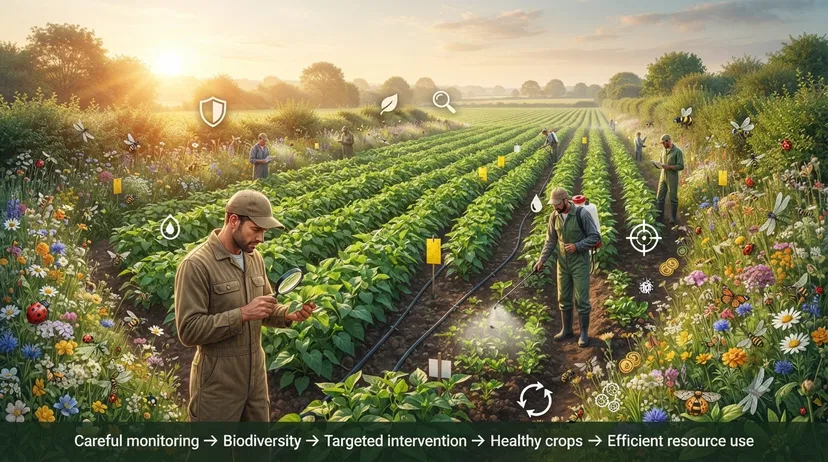
Cultural pest control is not a stand-alone fix. It works best as part of a layered IPM strategy that includes monitoring, accurate pest identification, thresholds, and targeted controls when necessary.
A practical IPM approach might look like this:
- Scout regularly to identify pests early
- Use cultural practices to prevent buildup
- Encourage natural enemies through habitat management
- Intervene only when pest levels reach damaging thresholds
- Evaluate results and adjust practices over time
This approach reduces unnecessary treatments and helps maintain long-term pest suppression.
Best Practices for Success
To get the most from cultural practices for pest control, consistency matters. A single action may help, but repeated, well-planned management creates the strongest results.
- Start with accurate pest identification
- Match practices to the crop and pest problem
- Keep records of pest pressure and management outcomes
- Combine multiple cultural tactics for stronger control
- Review and adjust strategies each season
It is also important to remember that local climate, soil, crop type, and pest species all affect which practices work best. What is effective in one location may need adaptation in another.
Conclusion
Cultural practices for pest control in IPM are among the most reliable ways to reduce pest problems naturally. From crop rotation and sanitation to spacing, irrigation, resistant varieties, and fertility management, these strategies build a healthier growing environment that pests find harder to exploit.
If you want fewer outbreaks and stronger plants, start by improving the system around the crop. That is the core of effective IPM: prevent problems, support plant health, and use intervention only when truly necessary.
Use cultural practices consistently, combine them with monitoring, and you will create a more resilient, productive, and sustainable pest management program.