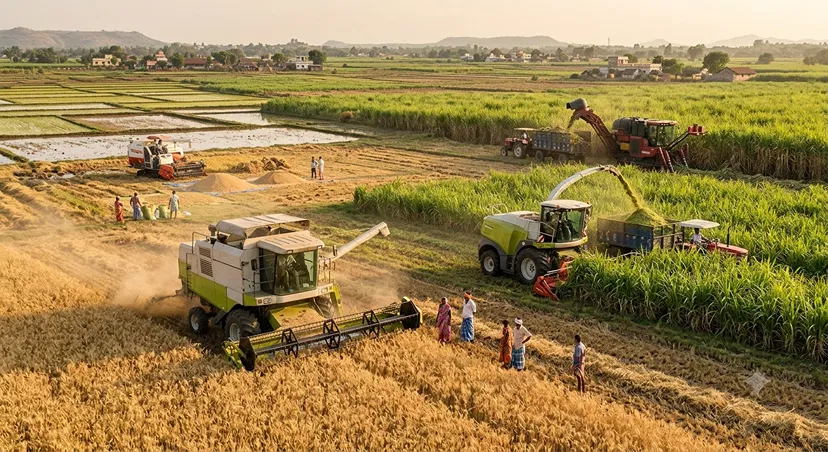
When harvest season arrives, efficiency matters more than ever. A combine harvester is one of the most important machines in modern agriculture because it can cut, thresh, and clean grain crops in a single pass. That means less labor, faster harvesting, and less crop loss in the field. For farmers managing large acreage or tight weather windows, the combine harvester has become an essential tool for getting the job done right.
What Is a Combine Harvester?
A combine harvester is a powerful farm machine designed to harvest grain crops such as wheat, corn, rice, barley, oats, soybeans, and similar plants. The word “combine” comes from the fact that it combines three major harvesting steps: reaping, threshing, and winnowing. Instead of using separate machines or a large manual workforce, one combine harvester performs the entire process efficiently.
This machine is especially valuable on large farms because it saves time and reduces operating costs. It also improves harvest quality by separating grain from the stalk, husk, and chaff with impressive speed and precision.
How a Combine Harvester Works
To understand the value of a combine harvester, it helps to look at how it operates from start to finish. While different models may vary in design, the basic harvesting process follows the same core steps.
1. Cutting the Crop
The process begins at the front of the machine with the header. The header cuts the crop close to the ground and feeds it into the combine. Depending on the crop type, the header may be fitted with reels, blades, or row units. Its job is to gather the standing plants and move them smoothly into the machine.
2. Feeding the Crop Into the Threshing System
Once the crop is cut, it is moved into the threshing mechanism. This is where the grain is separated from the stalk or seed head. The threshing system usually includes a rotating cylinder or rotor and a concave surface. As the crop passes through, the grain is stripped away while the remaining plant material continues onward.
3. Separating Grain from Straw
After threshing, the mix of grain, straw, and other plant matter moves to the separation area. Here, the machine uses sieves, rotors, and shaking mechanisms to separate the heavier grain from the lighter residue. The goal is to recover as much clean grain as possible while minimizing loss.
4. Cleaning the Grain
The grain then enters the cleaning system, where air and sieves remove any remaining chaff, dust, and debris. A fan blows away the lighter unwanted material, while screens allow the clean grain to pass through. This step is essential for ensuring the harvested product is ready for storage, transport, or further processing.
5. Collecting and Storing the Grain
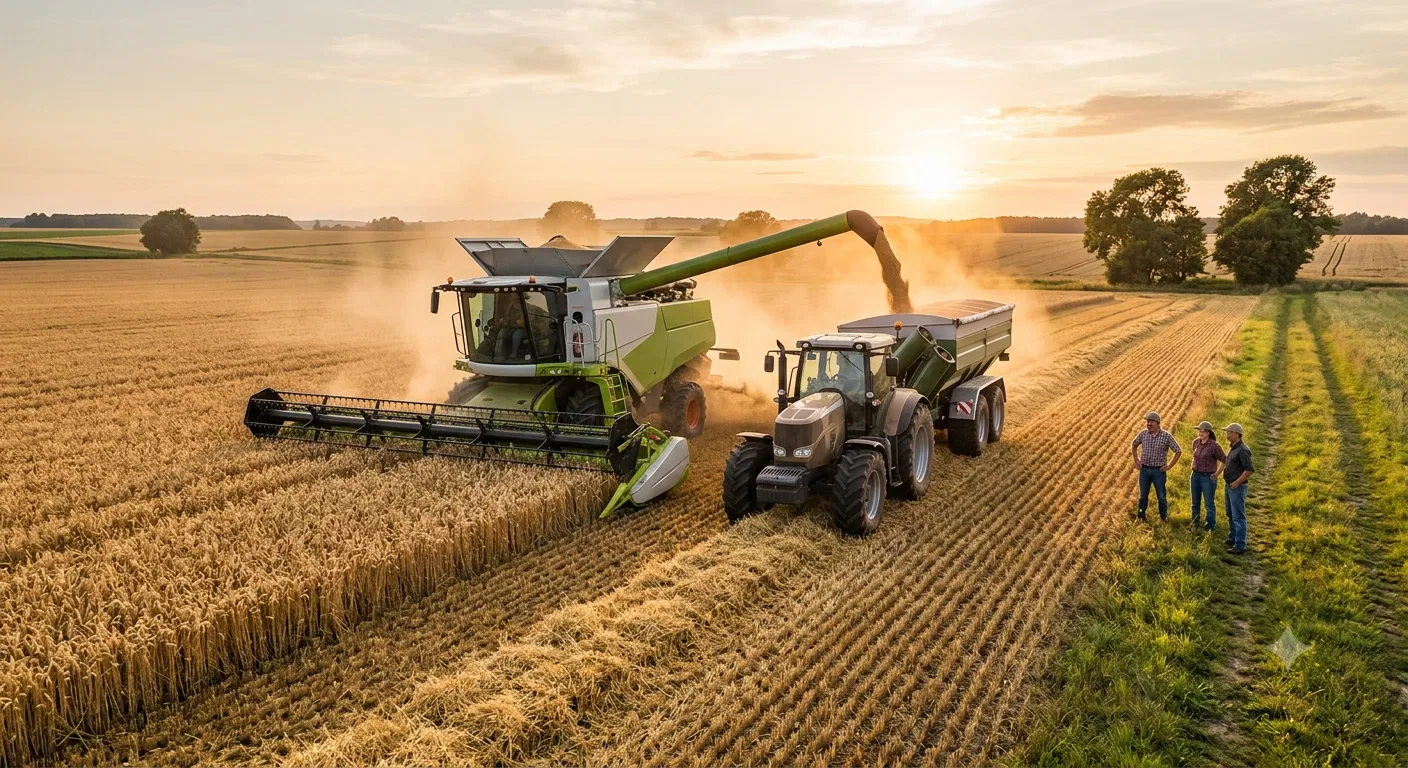
Finally, the clean grain is moved into the grain tank on the combine harvester. When the tank is full, the grain is unloaded into a truck or trailer through an auger. At the same time, the straw and other crop residue are either chopped and spread across the field or collected for baling.
In simple terms: a combine harvester cuts the crop, separates the grain, cleans it, and stores it—all in one continuous process.
Main Parts of a Combine Harvester
Each combine harvester contains several important components that work together to deliver a smooth harvest. Understanding these parts can make it easier to appreciate how the machine performs under demanding field conditions.
- Header: Cuts and gathers the crop.
- Feeder house: Transfers crop material from the header into the combine.
- Threshing cylinder or rotor: Separates grain from plant material.
- Concave: Works with the threshing system to remove grain effectively.
- Separator: Helps separate remaining grain from straw.
- Cleaning shoe: Uses sieves and air flow to clean grain.
- Grain tank: Stores clean grain temporarily.
- Unloading auger: Transfers grain from the tank to a transport vehicle.
- Chopper or spreader: Manages residue left in the field.
- Cab: Provides the operator with control, visibility, and comfort.
Types of Combine Harvesters
Different farming operations require different combine designs. The right type depends on crop, field size, terrain, and budget.
Conventional Combine Harvesters
These machines use a cylinder-and-concave threshing system and are commonly used for a wide range of crops. They are known for reliability and straightforward operation.
Rotary Combine Harvesters
Rotary combines use one or more rotors for threshing and separation. They are often preferred for high-capacity harvesting because they can handle large volumes of crop material efficiently.
Hybrid Combine Harvesters
Hybrid models combine conventional threshing with rotary separation. This design aims to balance grain quality, performance, and throughput.
Benefits of Using a Combine Harvester
The popularity of the combine harvester is no accident. It offers major advantages that have transformed how farms operate around the world.
1. Saves Time
Harvesting is time-sensitive, especially when weather conditions can change quickly. A combine harvester completes multiple harvesting tasks in one pass, allowing farmers to cover more ground in less time.
2. Reduces Labor Needs
Before mechanized harvesting, large crews were needed to cut and process crops manually. Today, one operator can manage a combine harvester and harvest large fields with far less labor.
3. Improves Efficiency
Because the machine combines cutting, threshing, cleaning, and storage, it reduces delays between harvesting stages. That efficiency helps lower fuel use, labor costs, and overall operating expenses.
4. Minimizes Crop Loss
When crops are harvested too slowly or with poor handling, grain can be lost in the field. A well-maintained combine harvester is designed to recover more usable grain and reduce waste.
5. Delivers Cleaner Grain
The cleaning system helps remove chaff and debris before storage. Cleaner grain can improve quality, make transport easier, and reduce the need for additional cleaning later.
6. Handles Large Areas
Modern combines are built for scale. They can harvest large fields faster than manual methods and are especially useful for commercial grain production.
7. Supports Better Farm Management
Advanced combine harvesters often include GPS guidance, yield monitoring, and automated controls. These features help farmers make better decisions about field performance and harvest planning.
Why Combine Harvesters Matter in Modern Agriculture
As farms have grown larger and labor has become more expensive, the combine harvester has become central to agricultural productivity. It allows farmers to harvest at the right time, protect crop quality, and manage operations more effectively. For many growers, it is not just a machine—it is a key part of the business model.
Combine harvesters also support food supply chains by helping bring grain from field to market quickly. That speed and reliability are crucial in regions where weather, timing, and crop quality directly affect profits.
Tips for Better Combine Harvester Performance
To get the most from a combine harvester, farmers should focus on proper setup and maintenance. Small adjustments can make a big difference in harvest quality and efficiency.
- Check the header height and reel settings for the crop type.
- Adjust threshing speed to reduce grain damage.
- Monitor sieve settings for cleaner grain output.
- Inspect belts, chains, and moving parts regularly.
- Keep the machine clean to reduce buildup and fire risk.
- Train operators to spot grain loss and machine inefficiencies early.
Conclusion
The combine harvester is one of the most valuable innovations in agriculture because it makes harvesting faster, cleaner, and far more efficient. By combining cutting, threshing, separation, and cleaning in one machine, it helps farmers save time, reduce labor, and improve grain quality. Whether you manage a large commercial operation or are simply interested in modern farm equipment, understanding how a combine harvester works reveals why it remains essential to productive farming.
If you want a more efficient harvest and better results in the field, investing in the right combine harvester—and using it properly—can make all the difference.