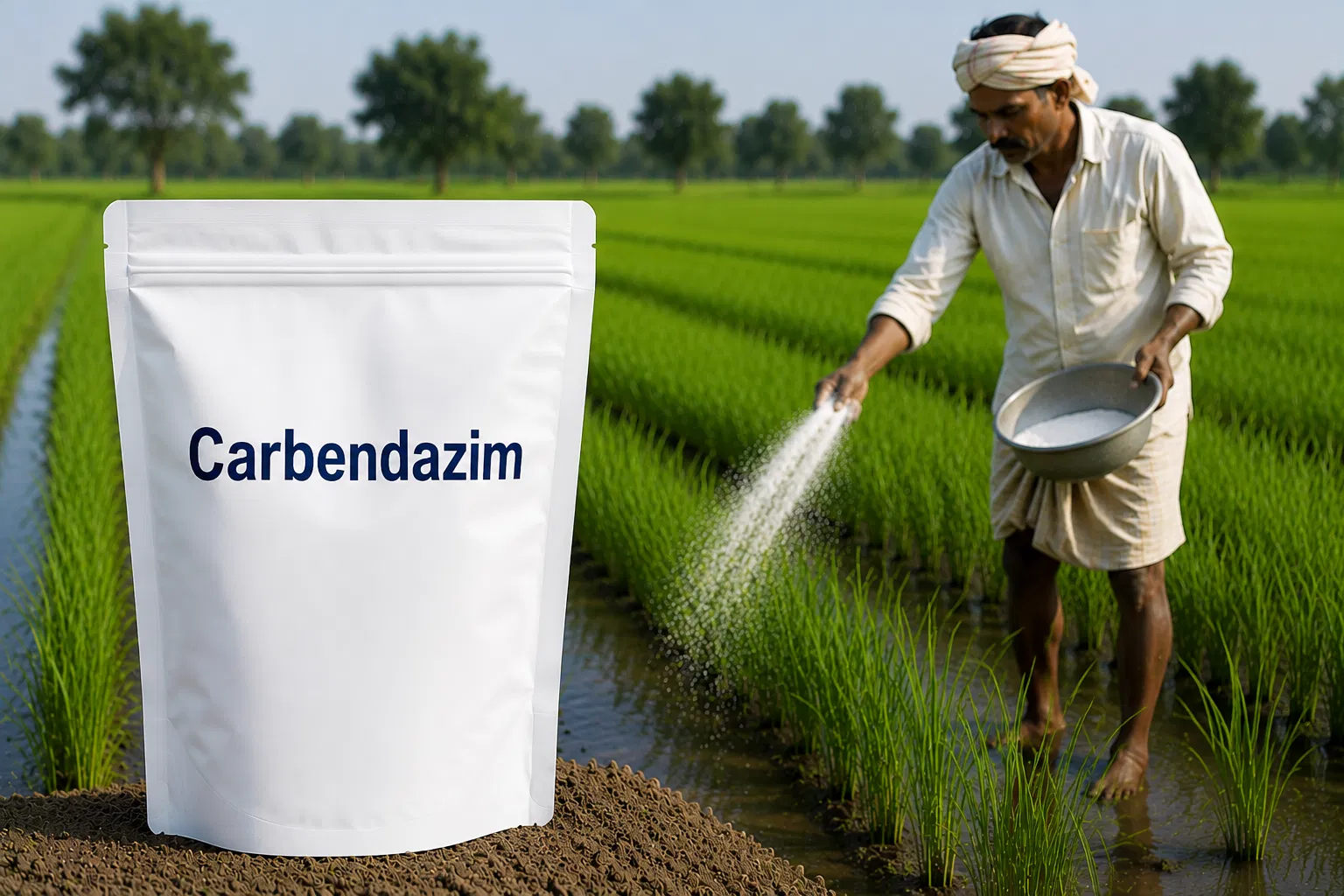
If fungal problems keep returning in your garden or nursery, a soil drench may be the targeted solution you need. Carbendazim for soil drenching is commonly used to help manage soil-borne fungal diseases at the root zone, where many infections begin. Applied correctly, it can support healthier plants and reduce disease pressure before it spreads.
In this guide, you'll learn exactly how to prepare and apply carbendazim as a soil drench, along with safety tips, best practices, and common mistakes to avoid.
What Is Carbendazim Soil Drenching?
Soil drenching is the process of applying a liquid fungicide directly to the soil so it moves into the root zone. Carbendazim is a systemic fungicide that is absorbed by plants and can help suppress certain fungal pathogens affecting roots and lower stems.
This method is often used for:
- Nursery plants
- Vegetable seedlings
- Ornamentals
- Pot-grown plants
- Garden beds with recurring fungal issues
It is most effective when used as part of an overall disease management plan, not as a stand-alone fix.
When to Use Carbendazim for Soil Drenching
Use a carbendazim soil drench when plants show early signs of soil-related fungal stress or when you want to protect vulnerable roots in disease-prone conditions. Common situations include:
- Seedling damping-off concerns
- Root rot symptoms
- Wilt caused by fungal pathogens
- Repeated disease in the same planting area
- High humidity or poorly drained soil conditions
Important: Always confirm that carbendazim is registered and appropriate for your crop and location before use.
Materials You Will Need
Before starting, gather everything you need so the application is smooth and accurate:
- Carbendazim product label instructions
- Clean water
- Measuring container or syringe
- Bucket or watering can
- Gloves
- Mask and protective clothing
- Stirring stick
- Access to the plants or planting area
Step-by-Step Method for Carbendazim Soil Drenching
Step 1: Read the Label Carefully
Start with the product label. The label is the most important source of information for:
- Mixing rate
- Application volume
- Target crops
- Re-entry or waiting periods
- Safety precautions
Never guess the dosage. Different formulations may require different dilution rates.
Step 2: Inspect the Plants and Soil
Check the plant's condition before application. Look for symptoms such as yellowing, wilting, stunted growth, or soft roots. Also assess the soil moisture and drainage.
A soil drench works best when the soil is slightly moist, not waterlogged or completely dry.
Step 3: Prepare the Solution
Measure the carbendazim exactly according to the label instructions. Mix it thoroughly in clean water until fully dissolved or evenly dispersed.
Use only the amount needed for immediate application. Do not store diluted solution unless the label specifically allows it.
Step 4: Apply Evenly Around the Root Zone
Pour the solution slowly around the base of the plant, targeting the soil near the roots. The goal is to let the fungicide move into the root zone where pathogens are active.
For potted plants, apply until the solution begins to move through the potting medium without excessive runoff. For garden beds, apply evenly around the root area rather than directly on the leaves.
Step 5: Avoid Overwatering After Application
After drenching, do not flood the area immediately. Excess water can wash the product away or reduce its effectiveness. Give the fungicide time to move through the soil naturally.
Step 6: Monitor Plant Response
Observe the plant over the next several days or weeks. Healthy improvement may show as:
- Reduced wilting
- Better leaf color
- Improved vigor
- Slower spread of disease symptoms
Keep in mind that damaged roots may take time to recover, and severely infected plants may not fully bounce back.
Best Practices for Better Results
To get the most from carbendazim soil drenching, follow these practical tips:
- Apply early, before disease becomes severe
- Use clean tools and containers
- Improve drainage where possible
- Remove heavily infected plant debris
- Rotate fungicide use when recommended
- Combine with proper watering and sanitation
Healthy soil management is just as important as the fungicide itself.
Safety Precautions
Carbendazim should always be handled with care. Wear protective equipment and avoid contact with skin, eyes, and mouth. Do not eat, drink, or smoke while preparing or applying the solution.
Safety first: Follow all label instructions, local regulations, and disposal guidelines for unused product and containers.
Keep children and pets away from treated areas until it is safe to return, based on label directions.
Common Mistakes to Avoid
Even a useful treatment can fail if it is applied incorrectly. Avoid these common errors:
- Using the wrong dilution rate
- Applying to dry, stressed soil without preparation
- Overapplying the solution
- Using it on crops not listed on the label
- Expecting immediate visible recovery
- Ignoring drainage and sanitation problems
Conclusion
Carbendazim for soil drenching can be an effective way to manage soil-borne fungal diseases when used correctly and responsibly. The key is to follow the label, apply it at the right time, and support the treatment with good watering, drainage, and hygiene practices.
If you want healthier roots and stronger plants, start with careful diagnosis, precise mixing, and consistent follow-up. A well-executed soil drench can make a real difference in disease control and plant recovery.