Every grower wants the same thing: healthy crops, fewer losses, and better yields. But when pests threaten a harvest, the choice often comes down to biopesticides vs chemical pesticides. Both can protect plants, yet they work in very different ways and come with different trade-offs. Understanding the pros and cons of each helps farmers, gardeners, and agribusinesses make smarter, more sustainable decisions.
What Are Biopesticides?
Biopesticides are pest control products derived from natural materials such as plants, bacteria, fungi, and minerals. They are designed to target specific pests while reducing harm to beneficial insects, soil health, and the surrounding environment.
Common examples include:
- Microbial pesticides made from bacteria or fungi
- Botanical pesticides derived from plant extracts
- Biochemical pesticides such as pheromones or growth regulators
What Are Chemical Pesticides?
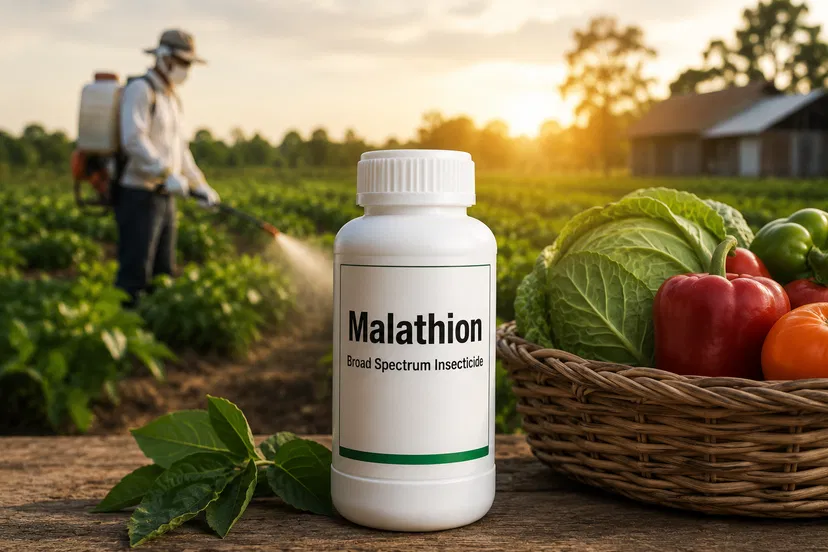
Chemical pesticides, also called synthetic pesticides, are manufactured compounds used to kill or control insects, weeds, fungi, and other pests. They are often formulated for fast action and broad-spectrum control, making them a common choice in large-scale agriculture.
These products typically include:
- Insecticides
- Herbicides
- Fungicides
- Rodenticides
Pros of Biopesticides
Biopesticides are gaining popularity because they align with modern demand for safer and more sustainable crop protection. Here are their biggest advantages.
1. Lower Environmental Impact
Biopesticides generally break down faster in the environment, which reduces long-term residue buildup in soil and water. This makes them a strong fit for eco-friendly farming and integrated pest management.
2. Safer for Beneficial Organisms
Because many biopesticides are highly targeted, they tend to have less impact on pollinators, natural predators, and other beneficial species. That helps preserve ecological balance in the field.
3. Reduced Risk of Human Exposure
Many biopesticides have lower toxicity levels than synthetic alternatives, which can make handling and application safer for farm workers when used correctly.
4. Useful in Organic Agriculture
Many biopesticides are approved for organic farming systems, making them an important tool for growers who want pest control without synthetic inputs.
5. Supports Resistance Management
Because they often work through unique biological mechanisms, biopesticides can help slow the development of pest resistance when rotated with other control methods.
Cons of Biopesticides
Despite their benefits, biopesticides are not a perfect solution. They also have limitations that can affect performance and adoption.
1. Slower Action
Biopesticides often work more slowly than chemical pesticides. In severe infestations, this slower response may not provide the immediate control needed to protect crops.
2. Shorter Shelf Life
Many biopesticide formulations are more sensitive to temperature, light, and storage conditions. As a result, they may expire faster or require special handling.
3. Narrower Pest Spectrum
Some biopesticides are highly specific, which is good for safety but can be a drawback when a field has multiple pest problems at once.
4. More Dependent on Timing
To work effectively, biopesticides often must be applied at the right life stage of the pest. Poor timing can reduce their effectiveness significantly.
Pros of Chemical Pesticides
Chemical pesticides remain widely used for one major reason: they work quickly and reliably in many situations. Their strengths make them valuable in both commercial agriculture and emergency pest control.
1. Fast Knockdown of Pests
Synthetic pesticides are often formulated for rapid action, which is critical when pests are spreading quickly and causing visible damage.
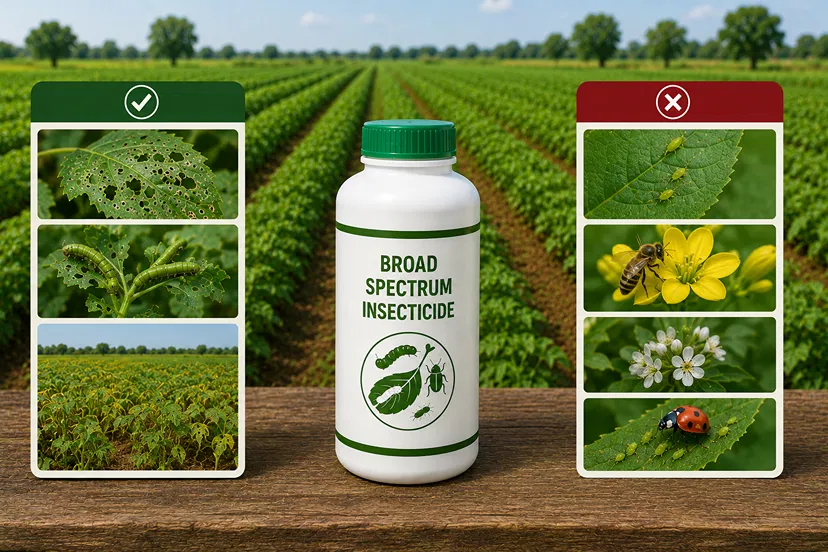
2. Broad-Spectrum Protection
Many chemical pesticides control a wide range of pests at once. This can simplify pest management and reduce the need for multiple products.
3. Longer Residual Activity
Some chemical pesticides remain active on plant surfaces or in the soil for longer periods, offering extended protection between applications.
4. Easy Availability and Familiar Use
Because they have been used for decades, chemical pesticides are widely available and well understood by many growers. This makes them easy to integrate into conventional farming systems.
5. Effective During Severe Outbreaks
When pest pressure is extremely high, chemical pesticides can provide the decisive control needed to prevent major crop losses.
Cons of Chemical Pesticides
Even though chemical pesticides are effective, their use comes with important concerns that cannot be ignored.
1. Environmental Concerns
Runoff, drift, and residue can affect soil, waterways, wildlife, and nearby ecosystems. Over time, this can contribute to ecological imbalance.
2. Harm to Beneficial Insects
Broad-spectrum pesticides may kill pollinators and natural enemies alongside target pests, which can create secondary pest problems.
3. Pest Resistance
Repeated use of the same chemical class can lead to resistant pest populations, making products less effective over time.
4. Health and Safety Risks
Some synthetic pesticides require careful handling, protective equipment, and strict application guidelines to reduce risks to workers and consumers.
5. Regulatory and Public Pressure
As consumers demand cleaner food and more sustainable production, growers may face tighter regulations and market pressure to reduce chemical pesticide use.
Biopesticides vs Chemical Pesticides: Key Differences
When comparing biopesticides vs chemical pesticides, the biggest differences usually come down to speed, selectivity, and environmental impact.
- Biopesticides are typically more targeted and environmentally friendly.
- Chemical pesticides are usually faster and broader in action.
- Biopesticides often support long-term sustainability.
- Chemical pesticides can be more effective in urgent, high-pressure situations.
Neither option is universally better. The right choice depends on the crop, pest type, severity of infestation, weather conditions, and production goals.
Which One Is Better for Farmers?
The best pest control strategy is often not an either-or decision. In many cases, a combined approach works best. Farmers may use biopesticides as part of an integrated pest management program and reserve chemical pesticides for emergencies or highly specific situations.
Smart pest control is not about choosing one tool forever. It is about using the right tool at the right time.
For example, a grower might use biopesticides to manage low to moderate pest pressure and then apply chemical pesticides only when a threshold is exceeded. This balanced strategy can reduce resistance, limit environmental damage, and maintain crop productivity.
How to Choose the Right Option
Before selecting a pest control method, consider these factors:
- Pest identification: Know exactly which pest you are dealing with.
- Infestation level: Light infestations may be manageable with biopesticides, while severe outbreaks may need faster intervention.
- Crop sensitivity: Some crops are more vulnerable to chemical residue or spray damage.
- Environmental goals: Organic and sustainability-focused systems often favor biopesticides.
- Resistance management: Rotate modes of action to reduce the risk of resistance.
The Future of Pest Control
The future of agriculture is moving toward safer, smarter, and more sustainable pest management. Biopesticides are expected to play a larger role as technology improves and growers seek alternatives with fewer environmental consequences. At the same time, chemical pesticides will likely remain important where fast, broad control is still necessary.
The real opportunity lies in using both strategically. By combining innovation, monitoring, and integrated pest management, growers can protect yields while reducing risks to people and the planet.
Conclusion
The debate over biopesticides vs chemical pesticides is not about finding a single winner. It is about understanding the strengths and weaknesses of each tool. Biopesticides offer sustainability, selectivity, and reduced environmental impact. Chemical pesticides deliver speed, broad coverage, and reliable control in urgent situations.
For the best long-term results, choose the method that matches the pest problem, production system, and sustainability goals. When used wisely, both can play a valuable role in protecting crops and supporting productive agriculture.