Choosing the right vegetable seeds can make the difference between a frustrating garden and a thriving harvest. If you want healthier plants, better yields, and less wasted time, the smartest place to start is with your region. Climate, soil, frost dates, and daylight all affect which vegetable seeds will perform best in your garden. The good news is that once you know what to look for, selecting the best vegetable seeds for your region becomes much easier.
Why Regional Seed Selection Matters
Not all seeds are created for the same conditions. A tomato variety that thrives in a long, warm growing season may struggle in a cooler northern climate. Likewise, a fast-maturing lettuce may bolt quickly in hot southern weather if it is not heat-tolerant.
When you choose vegetable seeds based on your region, you improve your chances of:
- Better germination and stronger seedlings
- Higher yields during the growing season
- Reduced pest and disease problems
- Less water stress and weather damage
- A more predictable harvest
Start with Your Climate Zone
The first step in selecting the best vegetable seeds for your region is understanding your climate zone. Most gardeners use USDA hardiness zones in the United States, but your local growing conditions matter even more than the number on a zone map.
Look at:
- Your average last spring frost date
- Your first fall frost date
- Summer temperatures and heat waves
- Rainfall and humidity levels
- Length of your growing season
Example: If you live in a short-season region, choose fast-maturing vegetables like bush beans, radishes, baby carrots, and early lettuce. If you have a long warm season, you can grow heat-loving crops like melons, peppers, eggplants, and full-size tomatoes.
Read Seed Packets Carefully
Seed packets contain more useful information than many gardeners realize. Before buying, scan the packet for details that help match the seed to your region.
Important things to check on a seed packet:
- Days to maturity: This tells you how long the crop needs to mature, which is essential in short growing seasons.
- Planting season: Some vegetables are better for spring, summer, or fall planting.
- Sun requirements: Make sure the crop fits your available light.
- Temperature preferences: Cool-season and warm-season crops need different conditions.
- Disease resistance: This is especially helpful in humid or high-pressure growing areas.
If a seed packet does not clearly list growing requirements, look for a more detailed variety description from a reputable seed company.
Choose Varieties Suited to Your Region
One of the best ways to improve garden success is to choose vegetable varieties bred for your local conditions. Regional adaptation matters a lot, especially for popular crops like tomatoes, peppers, beans, and cucumbers.
For example:
- Cool climates: Select early-maturing and cold-tolerant varieties.
- Hot climates: Look for heat-resistant, bolt-resistant, and drought-tolerant varieties.
- Humid regions: Choose varieties with resistance to fungal diseases like blight and powdery mildew.
- Dry regions: Focus on drought-tolerant vegetables and efficient irrigation planning.
Local extension services, nearby gardeners, and regional seed catalogs are excellent sources for finding varieties that perform well in your area.
Understand Cool-Season and Warm-Season Crops
A common mistake is planting vegetables at the wrong time for the local climate. Some crops prefer cool weather, while others need consistent warmth to grow well.
Cool-season crops
These grow best in spring and fall, and often tolerate light frost:
- Spinach
- Lettuce
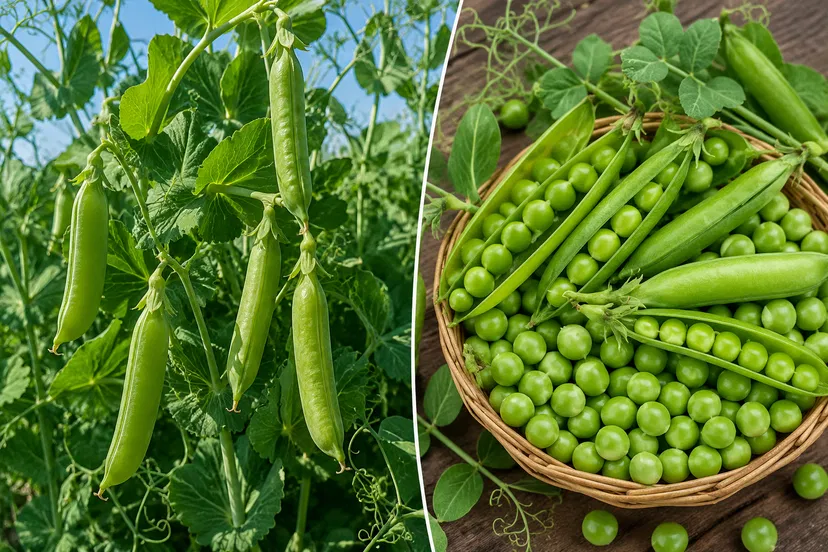
- Peas
- Broccoli
- Cauliflower
- Carrots
- Radishes
Warm-season crops
These need warm soil and air temperatures:
Matching the crop type to your regional weather is one of the simplest ways to improve seed success.
Consider Soil Conditions in Your Area
Your regional soil type should influence the seeds you choose. Some vegetables perform better in heavy clay, while others need loose, sandy soil or rich loam.
If your soil drains slowly, avoid crops that dislike soggy roots unless you can improve drainage. If your area has sandy soil, choose vegetables that can handle quicker drying conditions or plan for more frequent watering.
Tip: Soil testing is one of the smartest moves a gardener can make. It helps you understand pH, nutrient levels, and organic matter so you can select seeds and prepare beds more effectively.
Pay Attention to Disease Resistance
Regional weather often brings regional disease pressure. In humid climates, fungal diseases can spread quickly. In some areas, soil-borne issues may affect tomatoes, peppers, or cucurbits year after year.
When comparing vegetable seeds, look for labels such as:
- V = Verticillium wilt resistance
- F = Fusarium wilt resistance
- TMV = Tobacco mosaic virus resistance
- PM = Powdery mildew resistance
- DM = Downy mildew resistance
These letters can vary by crop and breeder, but they signal that the variety may handle common regional problems better than standard types.
The best vegetable seeds are not always the most popular ones—they are the ones that match your climate, soil, and season length.
Decide Between Heirloom, Hybrid, and Organic Seeds
Seed type matters, but it should be chosen based on your goals and growing conditions.
- Heirloom seeds: Great for flavor, seed saving, and garden diversity. Some are less uniform but often perform well in home gardens.
- Hybrid seeds: Often bred for vigor, yield, and disease resistance. They can be an excellent choice for difficult regional conditions.
- Organic seeds: Produced under organic standards and a strong option for gardeners following organic practices.
If your region has challenging weather or disease pressure, hybrid seeds may offer an advantage. If your priority is saving seeds and preserving older varieties, heirlooms may be the better fit.
Buy from Trusted Seed Sources
Where you buy seeds matters just as much as which seeds you buy. Reputable suppliers usually provide clear variety descriptions, germination rates, and growing recommendations.
Look for seed companies that:
- List maturity dates and growing zones
- Offer region-specific variety recommendations
- Provide high seed germination standards
- Have positive reviews from gardeners in your area
- Store seeds properly to maintain viability
A trustworthy source can save you from planting seeds that are outdated, poorly labeled, or unsuitable for your region.
Test and Track What Works
The best gardeners treat seed selection like an ongoing process. Even within the same region, microclimates can vary from yard to yard. A sunny backyard against a brick wall may behave very differently from a windy open field.
Keep a simple garden journal and note:
- Which seed varieties performed best
- What planting dates worked well
- How weather affected germination and growth
- Which crops had pest or disease issues
Over time, this record will help you choose the best vegetable seeds for your region with far more confidence.
Final Tips for Choosing the Best Vegetable Seeds for Your Region
Before you buy, ask yourself a few practical questions:
- Does this crop fit my growing season length?
- Will it handle my local heat, cold, or humidity?
- Is the variety resistant to common regional diseases?
- Does my soil support this plant’s needs?
- Is the harvest time realistic for my area?
When you choose seeds with your region in mind, gardening becomes easier, more productive, and a lot more enjoyable. You will spend less time fighting the environment and more time harvesting fresh vegetables from your own backyard.
Conclusion
Choosing the best vegetable seeds for your region is one of the most important decisions you can make as a gardener. By considering climate, soil, growing season, disease resistance, and variety type, you set your garden up for success from the start.
Take action today: review your frost dates, study your seed packets, and select a few regionally adapted varieties for your next planting season. The right seeds can transform your garden into a healthier, more abundant, and more rewarding space.