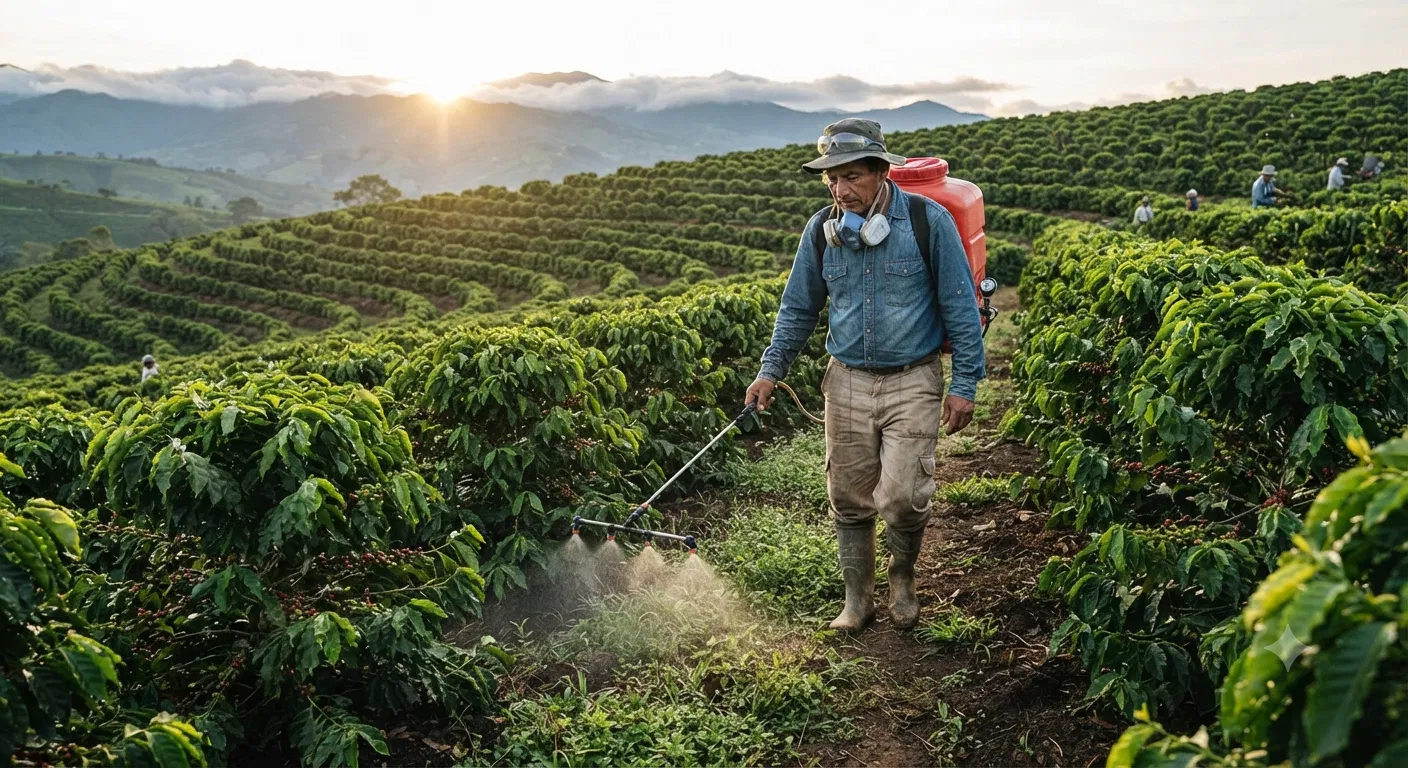
Spraying herbicides at the right stage can be the difference between weak weed control and a clean, healthy field, lawn, or landscape. If you apply too early, the herbicide may miss its target. If you wait too long, weeds may already be too established to control effectively. That is why timing matters just as much as the product you choose.
Why Herbicide Timing Matters
Herbicides work best when weeds are actively growing and vulnerable. At the wrong stage, even a strong herbicide can underperform. Growth stage, weed size, weather, and crop or turf conditions all influence how well a spray works.
The best stage to spray herbicides is usually when weeds are young, actively growing, and before they mature or set seed. In many cases, this means targeting weeds at the seedling or early vegetative stage.
Best Stage to Spray Herbicides
The ideal stage depends on whether you are using a pre-emergent or post-emergent herbicide.
1. Pre-Emergent Herbicides
Pre-emergent herbicides are applied before weeds emerge from the soil. They create a barrier that prevents weed seeds from developing into visible plants.
The best time to spray pre-emergents is:
- Before weed seeds germinate
- When soil temperatures begin to reach germination thresholds
- Ahead of seasonal weed flushes in spring or fall
Timing is critical here because once weeds have already emerged, pre-emergent products will not control them effectively.
2. Post-Emergent Herbicides
Post-emergent herbicides are used on weeds that are already visible. For the best results, spray when weeds are:
- Young and small
- Actively growing
- Not drought-stressed
- Not flowering or producing seed
Early-stage weeds have less developed root systems and smaller leaf surfaces, which makes them easier to control. Mature weeds are often tougher, more resilient, and more likely to survive treatment.
Why Young Weeds Are Easier to Control
Younger weeds absorb herbicides more efficiently and are less likely to recover after treatment. Their cell systems are still developing, and their energy is focused on rapid growth.
As weeds age, they often develop thicker cuticles, deeper roots, and stronger defenses. That means the herbicide may not penetrate as well or may not move through the plant effectively.
Key takeaway: The smaller the weed, the better the spray usually works.
Weather Conditions That Affect Herbicide Timing
Even if weeds are at the right growth stage, weather can still affect performance. Spray herbicides when conditions support active uptake and reduce the risk of drift or wash-off.
Ideal Weather Conditions
- Moderate temperatures
- Light wind or calm conditions
- No rain expected for the label-recommended period
- Healthy, actively growing weeds
Weather to Avoid
- Extreme heat
- Freezing temperatures
- High winds
- Heavy rain shortly after application
- Drought-stressed weeds
Weeds under stress often slow their growth, which can reduce herbicide uptake. Always check the product label for temperature and rainfall guidance before applying.
Spraying Herbicides in the Morning vs. Afternoon
Many applicators ask whether morning or afternoon is better. In general, there is no single perfect time for every herbicide, but there are practical guidelines.
- Morning: Good when weeds are dry and temperatures are moderate.
- Midday: Can work if conditions remain stable, but heat may increase stress on plants.
- Late afternoon: Often favorable if temperatures are dropping and wind is calm.
The most important factor is not the clock, but whether weeds are actively growing and environmental conditions are favorable.
How Weed Type Changes the Best Spray Stage
Different weeds respond best at different stages. Annual weeds are generally easier to control when they are small. Perennial weeds may require careful timing based on growth cycle and energy movement in the plant.
Annual Weeds
Annual weeds complete their life cycle in one season. Spray them early, before they flower or seed. Once they mature, they can spread quickly and become harder to manage the following year.
Perennial Weeds
Perennial weeds return year after year from roots, rhizomes, or other underground structures. These weeds are often best sprayed when they are actively moving energy to roots or shoots, depending on the herbicide type and label instructions.
For many perennial weeds, timing applications during vigorous growth can improve movement of the herbicide throughout the plant.
Best Practices for Herbicide Application
Good timing is only one part of successful weed control. Application technique also matters.
- Read the label carefully. The label gives the legally required timing, dosage, and use instructions.
- Identify the weed correctly. Different weeds need different approaches.
- Spray when weeds are small. Early treatment usually gives better results.
- Use the correct rate. Too little may not work; too much may damage desirable plants or violate label instructions.
- Avoid spraying before rain. Rain can wash herbicide off leaves before it is absorbed.
- Watch for drift. Wind can carry spray onto crops, flowers, or turf you want to protect.
Common Mistakes to Avoid
Even experienced applicators make timing mistakes that reduce herbicide performance.
- Spraying weeds after they are too large
- Applying pre-emergents too late
- Spraying stressed weeds during drought or extreme heat
- Ignoring the product label
- Applying before windy or rainy conditions
Avoiding these mistakes can improve control and reduce the need for repeat applications.
Final Thoughts on Herbicide Timing
If you want the best results, spray herbicides when weeds are young, actively growing, and easy to target. For pre-emergents, apply before weeds emerge. For post-emergents, treat weeds early before they mature or set seed. Pair that timing with favorable weather and proper application practices for the strongest results.
Bottom line: when it comes to herbicides, timing is everything. Spray at the right stage, and you give yourself the best chance of long-lasting weed control.
For the best outcome, always follow the herbicide label and adjust your timing to match the weeds, weather, and site conditions you are managing.