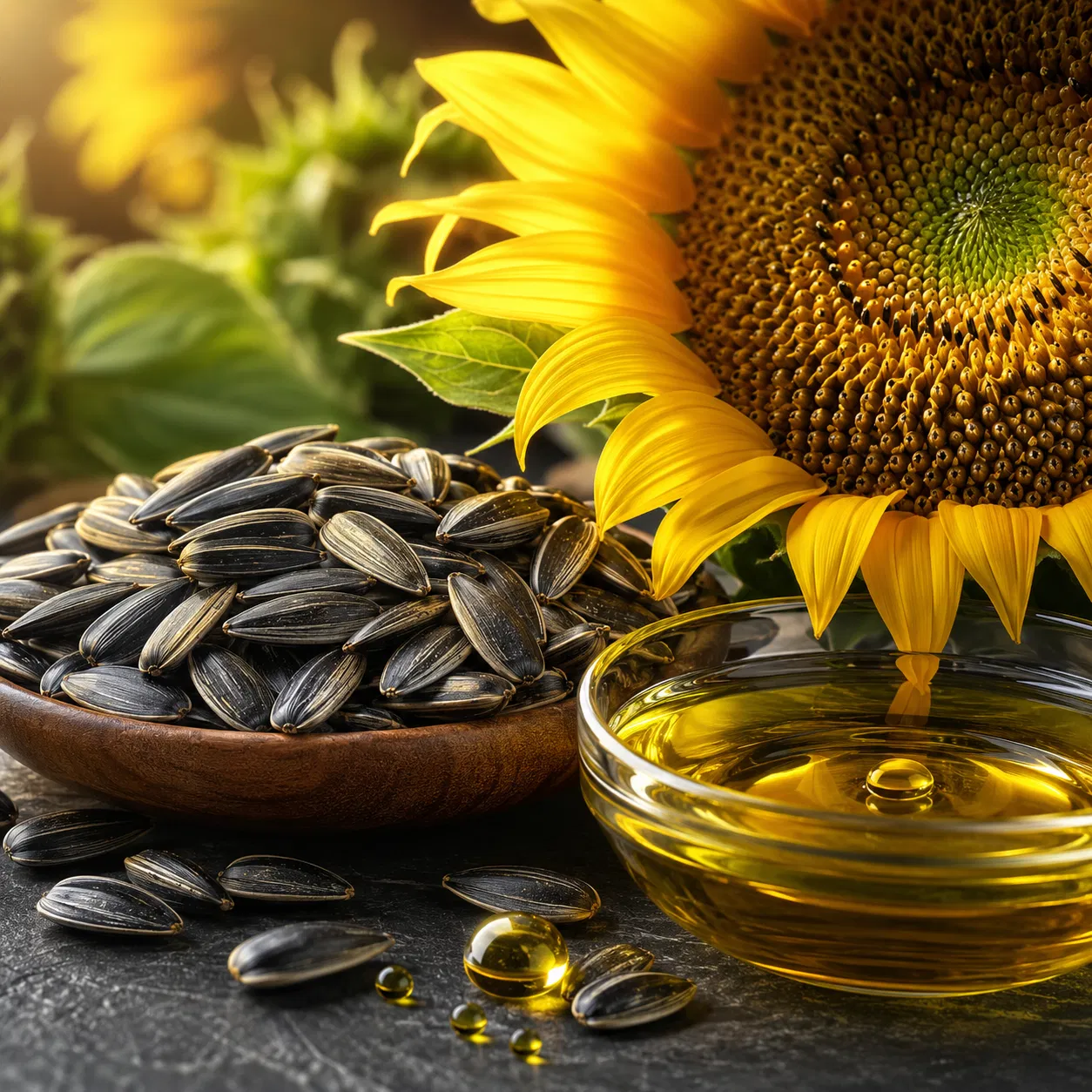
If your goal is to grow sunflowers for premium oil production, seed choice matters more than almost anything else. The best sunflower hybrid seeds for high oil content can dramatically improve your crop’s profitability, oil yield, and overall field performance. Whether you’re a commercial grower or planning a large-scale planting, choosing the right hybrid can make the difference between average results and exceptional returns.
High-oil sunflower hybrids are bred specifically to produce seeds with a greater percentage of oil, strong disease resistance, uniform maturity, and reliable yields. In this guide, you’ll learn what to look for in a high-oil sunflower hybrid, which traits matter most, and how to select the best sunflower hybrid seeds for your growing conditions.
Why High Oil Content Matters in Sunflower Seeds
Sunflower oil is one of the most valuable crop outputs in oilseed agriculture. Hybrids with high oil content are preferred because they can increase extraction efficiency and deliver better market value per acre. In many cases, buyers and processors pay a premium for seed lots that meet oil content standards.
High-oil sunflower hybrids are especially attractive because they often combine:
- Higher oil percentage in the kernel
- Consistent head size and seed fill
- Good standability and harvestability
- Improved tolerance to common sunflower diseases
- Better performance under commercial production systems
For growers focused on oil extraction, the right hybrid should deliver both agronomic reliability and strong oil quality.
Key Traits to Look for in High-Oil Sunflower Hybrid Seeds
Not all sunflower hybrid seeds are created equal. Before selecting a variety, evaluate the following traits carefully.
1. High Oil Percentage
The most important trait is the actual oil content of the seed. Many high-oil hybrids are bred to exceed standard oil levels, making them suitable for crushing and edible oil production.
2. Disease Resistance
Sunflowers can be affected by downy mildew, rust, Sclerotinia, Phomopsis, and other diseases. A hybrid with built-in resistance can protect yield and reduce crop loss.
3. Uniform Maturity
Uniform flowering and maturity help simplify harvest timing and reduce shattering losses. This is especially important when managing large acreage.
4. Lodging Resistance
Strong stalks and good root systems help plants remain upright until harvest. Lodging can reduce harvest efficiency and seed quality, so this trait should not be overlooked.
5. Yield Potential
High oil content is valuable, but yield per acre still matters. The best hybrids balance oil concentration with excellent seed production.
6. Adaptability to Your Region
A hybrid that performs well in one climate may not deliver the same results elsewhere. Look for seeds tested in similar soil, weather, and moisture conditions.
Best results come from choosing a sunflower hybrid that combines high oil content with dependable field performance, not oil percentage alone.
Best Sunflower Hybrid Seeds for High Oil Content
While the ideal hybrid will depend on your location and production goals, certain sunflower hybrid traits consistently stand out in high-oil production systems. Below are the types of hybrids commonly sought by growers for maximum oil output.
1. High-Oleic Sunflower Hybrids
High-oleic sunflower hybrids are among the most popular choices for oil production. They produce oil with a higher percentage of oleic acid, which is valued for its stability, shelf life, and healthy profile. These hybrids are often preferred by processors and food manufacturers.
Benefits include:
- Excellent oil quality
- Strong market demand
- Better storage and frying stability
- Reliable performance in commercial production
2. Confection-Style Hybrids with Good Oil Content
Although confection sunflower seeds are usually grown for snack markets, some hybrids can still offer respectable oil content. These are less ideal for crushing than specialized oilseed hybrids, but they may be useful in diversified operations.
3. Oilseed Hybrids with Disease Packages
Many modern oilseed sunflower hybrids are bred with strong resistance packages. These are excellent options when pressure from rust, mildew, or Sclerotinia is common. A strong disease package helps preserve both seed fill and oil accumulation.
4. Shorter-Maturity Hybrids for Variable Seasons
In regions with shorter growing seasons, earlier-maturing hybrids can still produce high oil content while reducing risk from late-season weather. These are useful where frost, drought, or harvest delays are concerns.
How to Choose the Right Hybrid for Your Farm
The best sunflower hybrid seeds for high oil content will depend on your specific production environment. Use these steps to narrow your selection.
- Check your local climate. Match maturity length to your frost window and heat units.
- Review disease history. Choose resistance traits based on the problems most common in your region.
- Look at oil percentage data. Compare hybrids using actual oil content performance, not just yield claims.
- Evaluate standability. Select hybrids with strong stalks if wind or heavy heads are common.
- Compare harvest timing. Uniform dry-down can improve harvesting efficiency and seed quality.
- Ask about seed treatment. Treated seed may offer better early vigor and establishment.
It also helps to consult local agronomists, seed dealers, and regional trial results. Field-tested information is often more valuable than catalog descriptions alone.
Planting Tips to Maximize Oil Content
Even the best sunflower hybrid seeds for high oil content need the right management to reach their potential. Good agronomy can improve both yield and oil accumulation.
Use Proper Plant Population
Overcrowding can reduce head size and seed fill, while too few plants may limit total yield. Follow recommended spacing for your hybrid and region.
Maintain Balanced Fertility
Sunflowers need adequate nutrients, especially nitrogen, phosphorus, potassium, and sulfur. Excess nitrogen can sometimes increase vegetative growth at the expense of seed quality, so balance is important.
Manage Moisture Carefully
Water stress during flowering and seed fill can reduce oil development. If irrigation is available, prioritize moisture during these growth stages.
Control Weeds Early
Weed competition in the early season can weaken plant stand and lower final yield. A clean field supports stronger, more uniform plants.
Monitor Pests and Diseases
Insects and pathogens can reduce seed set and oil content. Regular scouting helps you act before losses become severe.
What Makes a Hybrid “High Oil”?
High-oil sunflower hybrids are generally bred through selection for genetics that favor oil accumulation in the seed. The actual oil content can vary based on variety, climate, soil fertility, plant stress, and harvest timing. That means the hybrid is only part of the equation.
For best results, growers should aim for hybrids that offer:
- Strong genetic oil potential
- Stable performance across environments
- Resilience under stress
- Good test weight and seed size
- Compatibility with local market requirements
In other words, a “high-oil” label is most useful when paired with real-world performance data.
Common Mistakes to Avoid
Many growers focus only on seed price or advertised yield and overlook traits that directly affect oil production. Avoid these mistakes:
- Choosing a hybrid without checking disease resistance
- Ignoring maturity length for your region
- Planting high-yield seeds that have lower oil percentages
- Skipping field trial comparisons
- Using poor fertility or moisture management
Remember, the highest-performing sunflower hybrid is the one that fits your farm, not just the one with the boldest label.
Final Thoughts on the Best Sunflower Hybrid Seeds for High Oil Content
If you want to maximize sunflower oil production, start with a hybrid designed for high oil content, strong disease resistance, and dependable field performance. The best sunflower hybrid seeds for high oil content are those that deliver a balanced combination of oil percentage, yield, standability, and adaptability.
Before buying, compare regional trial data, talk to trusted seed advisors, and match the hybrid to your field conditions. With the right genetics and smart crop management, you can improve both oil quality and overall profitability.
Choose carefully, plant strategically, and manage consistently—that’s the formula for getting the most from every acre of high-oil sunflowers.