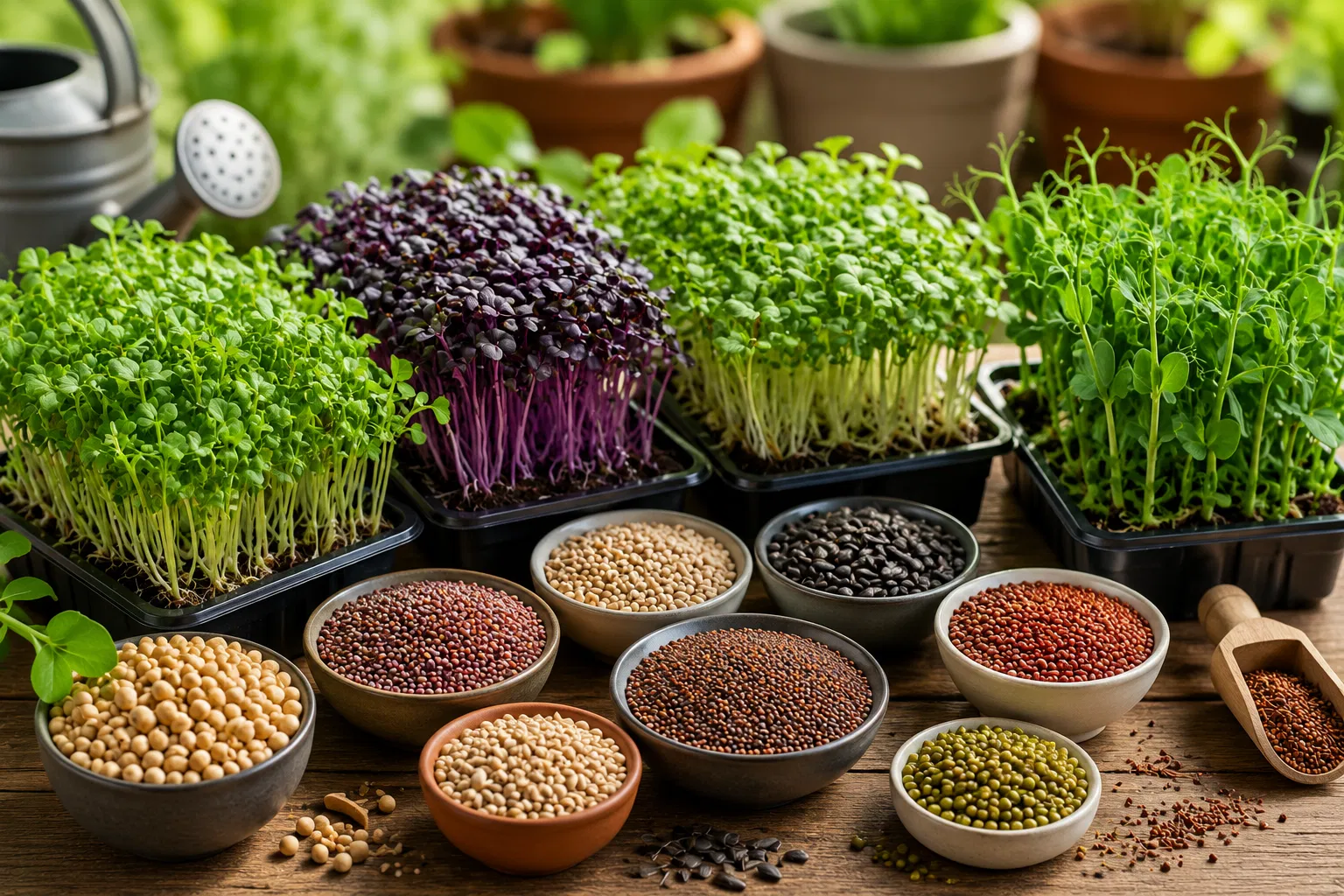
If you want to build a profitable microgreens business, the seeds you choose matter just as much as your growing system. The best microgreens seeds for profit are fast to germinate, quick to harvest, highly productive, and in steady demand from chefs, farmers market customers, and health-conscious buyers. Picking the right varieties can dramatically improve your yields, reduce crop loss, and help you turn small growing spaces into reliable income.
Whether you are starting a home microgreens business or scaling an indoor growing operation, focusing on the most profitable microgreens seeds gives you a strong advantage. Below, you'll find the best seeds for growing profitable microgreens, along with practical tips for choosing varieties that sell well and grow efficiently.
Why Seed Selection Matters in Microgreens Profitability
Not all microgreens are equally profitable. Some crops grow quickly but have low market demand. Others sell at premium prices but may be slower or more difficult to grow. The most profitable microgreens seeds usually balance three things: strong customer demand, fast turnover, and high yield.
When evaluating seeds, think about:
- Germination speed: Faster sprouts mean quicker harvests and more production cycles.
- Yield: Dense, heavy crops provide more sellable product per tray.
- Market value: Some microgreens command higher prices because of flavor, appearance, or nutrition.
- Ease of growing: Low-maintenance varieties reduce labor and crop failure.
- Shelf life: Microgreens that hold up well after harvest are easier to sell and deliver.
Profit tip: The most successful growers usually don't rely on just one crop. They grow a mix of fast sellers, premium specialty greens, and reliable staples to keep cash flow steady.
Best Seeds for Growing Profitable Microgreens
1. Radish Seeds
Radish microgreens are one of the best choices for profitable growing. They germinate quickly, grow fast, and produce a bold, spicy flavor that chefs love. Many varieties are ready to harvest in just 6 to 10 days, making them ideal for rapid production cycles.
Radish microgreens also offer excellent germination rates and strong yields. Their vibrant stems and leaves make them visually appealing, which helps with retail and restaurant sales.
- Why they sell: Peppery flavor, bright color, quick harvest
- Best for: Restaurants, salad mixes, farmers markets
- Profit potential: High, due to speed and consistent demand
2. Broccoli Seeds
Broccoli microgreens are a staple in the microgreens market because they are nutritious, easy to grow, and widely recognized by health-focused consumers. They have a mild flavor and strong nutritional reputation, which makes them attractive for wellness brands and grocery buyers.
Broccoli is also efficient from a production standpoint. It germinates reliably, grows evenly, and can be harvested in about 8 to 12 days. While the flavor is mild, that broad appeal can increase your customer base.
- Why they sell: Nutritional appeal, mild taste, consistent quality
- Best for: Juice bars, health stores, home consumers
- Profit potential: Strong, especially in wellness markets
3. Pea Shoots
Pea shoots are among the most productive microgreens you can grow. They produce thick, tender shoots with a sweet, fresh flavor, and they tend to yield more biomass per tray than many smaller varieties. That makes them especially attractive for growers focused on maximizing tray value.
Pea shoots usually take around 10 to 14 days to harvest and are popular in stir-fries, salads, and garnishes. Their size and texture make them easy to market as both a microgreen and a culinary green.
- Why they sell: High yield, sweet taste, versatile use
- Best for: Chefs, specialty grocers, CSA boxes
- Profit potential: Very high because of yield and repeat demand
4. Sunflower Seeds
Sunflower microgreens are a favorite for their crunchy texture, nutty flavor, and satisfying volume. They grow into large, hearty shoots that stand out in mixed trays and premium greens assortments. Because customers often view them as a "premium" product, they can command strong pricing.
Sunflower seeds require a bit more care than some other crops, especially during germination, but the payoff is worth it. They are typically ready in 8 to 12 days and offer excellent visual and textural appeal.
- Why they sell: Crunchy texture, premium look, strong yield
- Best for: Upscale restaurants, farmers markets, gourmet retailers
- Profit potential: High, especially when sold as premium greens
5. Basil Seeds
Basil microgreens are slower than some of the fastest crops, but they can be extremely profitable because of their aroma, flavor, and premium market value. They are especially popular with chefs who want intense basil flavor in a compact format.
Because basil has a more delicate growth process, it can be harder to produce at scale. Still, the high selling price and strong chef demand make it one of the best seeds for growing profitable microgreens if you can handle the extra attention.
- Why they sell: Strong aroma, gourmet appeal, premium pricing
- Best for: Fine dining, specialty culinary markets
- Profit potential: High, especially in niche restaurant sales
6. Arugula Seeds
Arugula microgreens offer a bold, slightly spicy flavor that appeals to chefs and health-conscious buyers alike. They are relatively fast to grow and fit well into salad mixes or as stand-alone garnishes. Their recognizable flavor profile helps them move quickly in both wholesale and direct-to-consumer channels.
Arugula is a dependable crop for growers looking for consistent sales and solid margins. It also works well in blended microgreen packs, which can increase average order value.
- Why they sell: Distinct flavor, salad-friendly, reliable demand
- Best for: Restaurants, meal prep services, mixed boxes
- Profit potential: Strong and stable
7. Cilantro Seeds
Cilantro microgreens are a niche but valuable crop. They have a fresh, citrusy, herbaceous flavor that chefs use to add brightness to dishes. While cilantro can be slower and more sensitive than easier crops, its specialty flavor often supports premium pricing.
Growers who can produce cilantro consistently may find loyal customers in ethnic restaurants, gourmet kitchens, and specialty food markets.
- Why they sell: Unique flavor, culinary value, premium demand
- Best for: Chefs, specialty cuisines, boutique food buyers
- Profit potential: High in the right market
8. Kale Seeds
Kale microgreens are a dependable, high-demand crop with broad consumer appeal. They are easy to market because kale is already familiar to most buyers, and the microgreen version offers a milder flavor with strong nutritional value.
Kale grows evenly and can be harvested in about 8 to 12 days. It is a good choice for growers who want consistent production and a reliable customer base.
- Why they sell: Familiar name, nutrition, easy marketability
- Best for: Grocery customers, wellness buyers, mixed trays
- Profit potential: Solid and dependable
How to Choose the Most Profitable Microgreens Seeds
The best seeds for growing profitable microgreens depend on your market, your equipment, and your production goals. A crop that sells well in one area may not perform as well in another. To choose wisely, start by understanding your buyers.
- Research local demand: Ask chefs, farmers market shoppers, and stores what they buy most often.
- Test a variety mix: Grow several crops and track which ones sell fastest and at the best price.
- Prioritize quick cycles: Fast-growing crops improve turnover and cash flow.
- Focus on repeat buyers: Stable demand matters more than occasional high prices.
- Consider packaging: Some microgreens sell better in blends, while others perform best as single varieties.
It's also smart to compare seed cost per tray. A less expensive seed with strong yield may be more profitable than a premium seed with limited output. The real goal is not just to grow microgreens, but to grow crops that consistently generate revenue.
Best Seed Types for a Balanced Microgreens Business
If you want a balanced microgreens lineup, consider combining:
- Fast movers: Radish, broccoli, arugula
- High-yield crops: Pea shoots, sunflower
- Premium specialty crops: Basil, cilantro
- Reliable staples: Kale, broccoli, radish
This approach helps spread your risk and gives you a better chance of maintaining steady orders throughout the week. It also lets you target different customer segments without overcomplicating production.
Final Thoughts on the Best Seeds for Profitable Microgreens
The most profitable microgreens seeds are the ones that match your market and your production style. Radish, broccoli, pea shoots, sunflower, basil, arugula, cilantro, and kale all have strong earning potential, but the best results come from choosing a smart mix of fast-growing, high-demand, and premium-value crops.
If you are serious about growing microgreens for profit, start small, track your sales, and focus on the varieties that perform best in your area. The right seeds can turn limited space into a dependable business opportunity.
Next step: Test two or three of these profitable microgreens seeds in your next grow cycle and compare yield, harvest time, and customer response. That data will show you exactly which crops deserve more space in your operation.