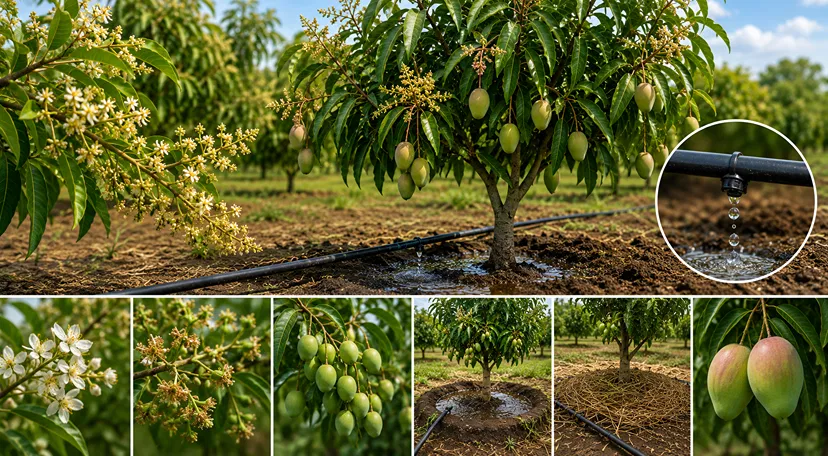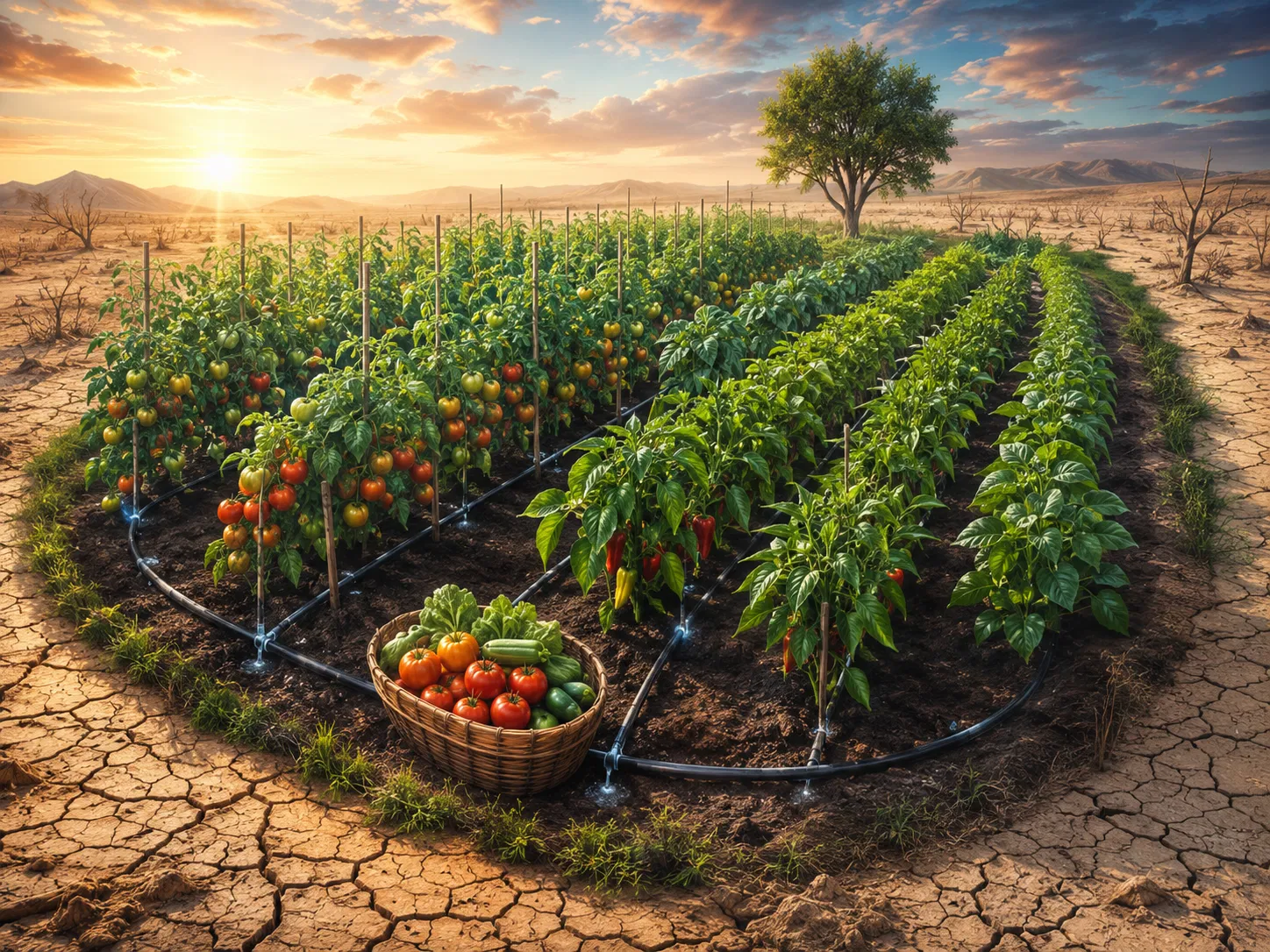
When every drop matters, drip irrigation stands out as one of the smartest ways to grow healthier crops with less waste. Instead of flooding fields or spraying water everywhere, drip systems deliver moisture directly to the root zone where plants need it most. The result is simple: better water efficiency, stronger plant growth, and often higher yields.
For farmers, gardeners, and commercial growers, the benefits of drip irrigation go beyond convenience. It can lower water use, reduce runoff, improve fertilizer efficiency, and create more consistent crop performance. In areas where water is limited or expensive, drip irrigation is not just helpful—it can be a game changer.
What Is Drip Irrigation?
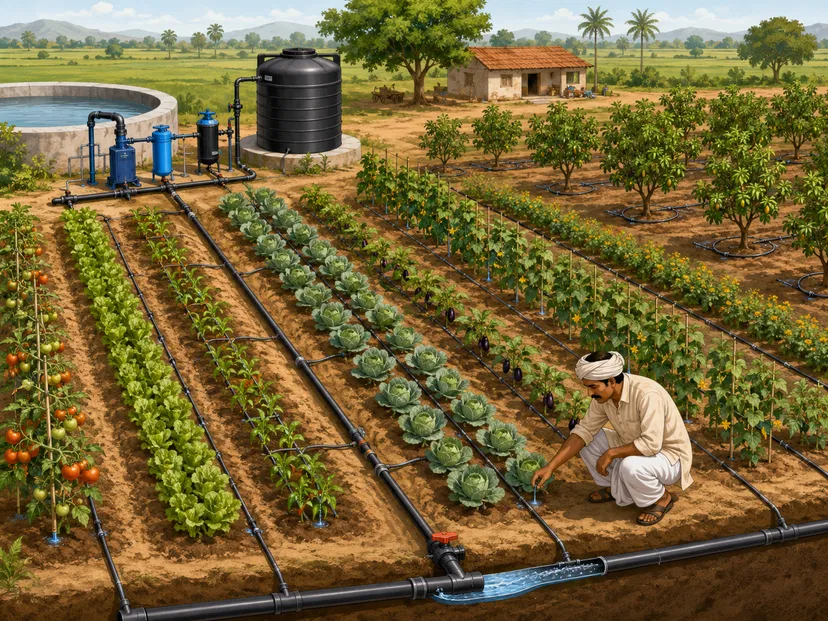
Drip irrigation is a precision watering method that supplies water slowly and directly to plant roots through a network of tubes, pipes, valves, and emitters. Unlike sprinkler systems, which lose water through evaporation and wind drift, drip irrigation targets only the areas that need moisture.
This approach helps maintain ideal soil moisture levels without overwatering. It is widely used in row crops, orchards, vineyards, greenhouses, vegetable farms, and even home gardens.
Key Benefits of Drip Irrigation
1. Significant Water Savings
One of the biggest advantages of drip irrigation is water conservation. Because the system delivers water slowly and directly to the root zone, far less water is lost to evaporation, runoff, or overspray.
In many cases, drip irrigation can use substantially less water than traditional flood or sprinkler methods. That makes it especially valuable in dry climates, drought-prone regions, and areas with rising water costs.
- Reduces evaporation losses
- Minimizes runoff and deep percolation
- Targets water only where plants need it
- Supports sustainable water management
2. Improved Crop Yields
Consistent moisture is critical for crop development. When plants receive irregular watering, they can experience stress that affects flowering, fruit set, nutrient uptake, and final yield. Drip irrigation helps avoid these problems by providing steady moisture throughout the growing cycle.
With better root-zone watering, plants often grow more uniformly and produce higher-quality harvests. In many crops, this improved control over water delivery translates into stronger yields and better marketable produce.
Consistent water delivery often leads to consistent plant growth. That consistency can make a major difference in both yield and quality.
3. Better Fertilizer Efficiency
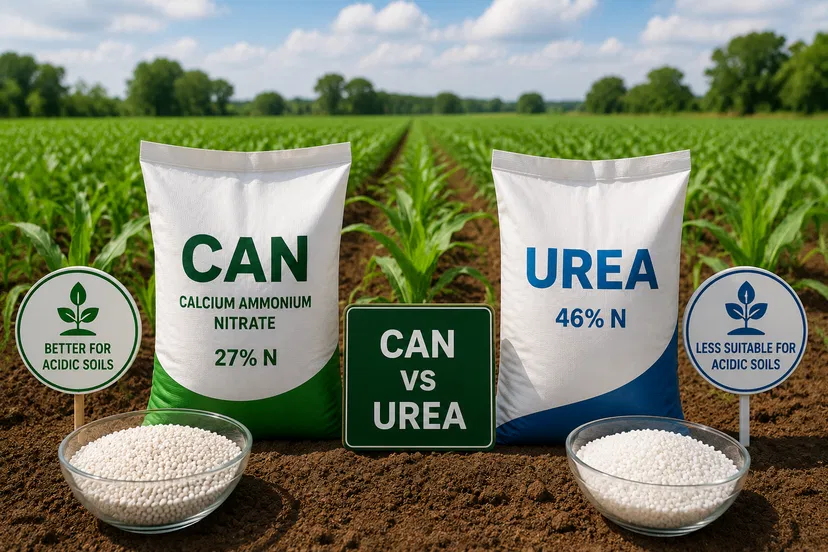
Drip irrigation is commonly paired with fertigation, the practice of applying fertilizer through the irrigation system. This allows nutrients to be delivered directly to the root zone along with water, improving absorption and reducing waste.
Compared with broadcast fertilization, fertigation can help crops use nutrients more efficiently. It also reduces the chance of nutrient leaching, where fertilizer moves below the root zone and becomes unavailable to plants.
- Improves nutrient uptake
- Reduces fertilizer losses
- Supports precise nutrient management
- Can lower input costs over time
4. Less Weed Growth
Because drip irrigation wets only a limited area around the plant, it does not encourage weed growth across the entire field or garden bed. Less water in non-plant areas means fewer opportunities for weeds to thrive.
This can reduce competition for water, nutrients, and sunlight. As a result, crops may grow more vigorously with less need for herbicide use or frequent hand weeding.
5. Lower Disease Risk
Many plant diseases spread when foliage stays wet for long periods. Sprinkler systems often leave leaves and stems damp, creating ideal conditions for fungal growth and disease development. Drip irrigation avoids this problem by keeping water at soil level.
By reducing moisture on leaves, drip systems can help lower the risk of common diseases and improve overall plant health. This is particularly valuable for vegetables, fruits, and other sensitive crops.
6. Reduced Soil Erosion and Runoff
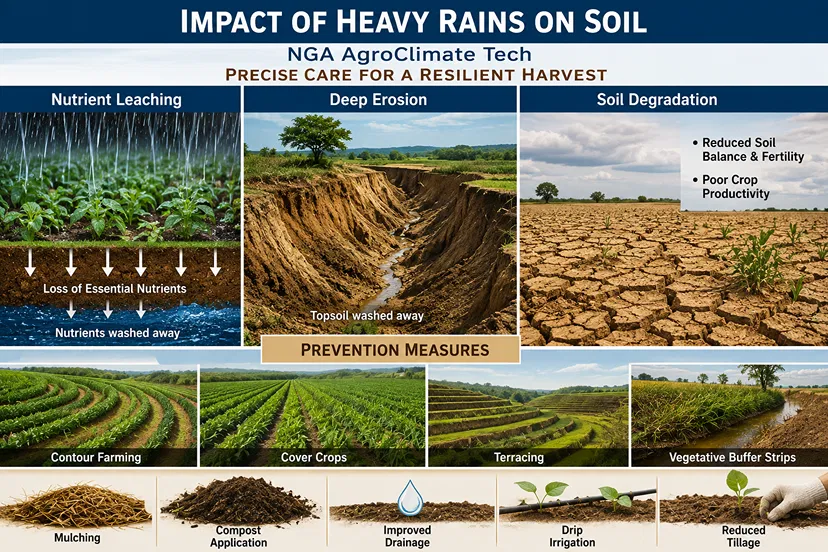
Traditional irrigation methods can sometimes wash away topsoil, especially on sloped land or compacted fields. Drip irrigation applies water slowly, which allows it to soak into the soil rather than run off the surface.
This helps preserve valuable topsoil and keeps nutrients in place. Over time, better soil structure and less erosion can support more productive and resilient growing conditions.
7. More Precise Water Control
Drip irrigation gives growers much better control over when, where, and how much water is applied. This precision is useful for matching irrigation schedules to crop stage, weather conditions, and soil type.
With the right setup, growers can avoid both underwatering and overwatering. That precision can be especially important for crops that are sensitive to water stress or excess moisture.
How Drip Irrigation Supports Water and Yield Gains
The connection between water savings and yield gains is one of the strongest reasons to invest in drip irrigation. When plants receive the right amount of water at the right time, they can focus energy on growth rather than survival.
Healthy root systems absorb nutrients more effectively. Better nutrient uptake supports stronger stems, healthier leaves, more flowers, and improved fruit or grain development. In many growing systems, this creates a direct link between efficient irrigation and better harvest results.
Drip irrigation also improves field uniformity. When every plant receives similar moisture levels, crops tend to mature more evenly. That consistency can simplify harvest timing and improve product quality.
Best Crops for Drip Irrigation
Drip irrigation works well for many crops, but it is especially beneficial for plants that need careful moisture management or have high market value.
- Vegetables such as tomatoes, peppers, cucumbers, and lettuce
- Fruits such as strawberries, grapes, and citrus
- Orchard crops like apples, almonds, and peaches
- Row crops in water-limited regions
- Greenhouse and nursery plants
High-value crops often see the fastest return on investment because even small yield improvements can have a major financial impact.
Factors That Influence Drip Irrigation Performance
To get the full benefits of drip irrigation, system design and management matter. A well-planned system can deliver impressive results, while a poorly maintained system may underperform.
Soil Type
Sandy soils drain quickly and may need shorter, more frequent irrigation cycles. Clay soils hold water longer but require careful scheduling to avoid saturation. Understanding your soil helps determine emitter spacing and run time.
Emitter Placement
Emitters must be positioned to match root development. Incorrect placement can lead to dry root zones or wasted water outside the active root area.
Maintenance
Clogged emitters, leaks, and pressure problems can reduce efficiency. Regular flushing, filtration, and inspection are essential for keeping the system working properly.
Scheduling
Even the best system needs smart scheduling. Irrigation timing should reflect crop stage, weather, and soil moisture conditions to maximize both water savings and yield benefits.
Why Drip Irrigation Is a Smart Long-Term Investment
Although drip irrigation may require more planning and upfront investment than basic watering methods, it often pays off through lower water use, reduced fertilizer waste, improved crop performance, and better quality harvests. For many growers, those gains add up quickly.
In a world where water scarcity, rising input costs, and climate variability are becoming more common, precision irrigation is increasingly important. Drip systems help growers do more with less while supporting healthier plants and more stable production.
Conclusion
Drip irrigation offers a powerful combination of water savings and yield improvement. By delivering water directly to the root zone, it reduces waste, supports better nutrient use, limits weed and disease pressure, and helps crops grow more consistently.
If your goal is to improve efficiency and boost harvest results, drip irrigation is one of the most effective tools available. The right system can protect resources, strengthen plant health, and increase productivity season after season. For growers looking to save water and grow more, drip irrigation is a smart step forward.