Transplanting is one of the most stressful moments in a plant’s life. Roots are disturbed, growth slows, and seedlings can struggle to settle in. That’s exactly why applying mycorrhiza at transplanting can make such a big difference. This beneficial fungus helps plants establish faster, absorb nutrients more efficiently, and handle transplant shock with greater resilience.
If you want stronger root development and healthier plant growth from day one, learning how to apply mycorrhiza at transplanting is a smart move. Used correctly, it can improve establishment in vegetables, flowers, herbs, shrubs, and even trees.
What Is Mycorrhiza?
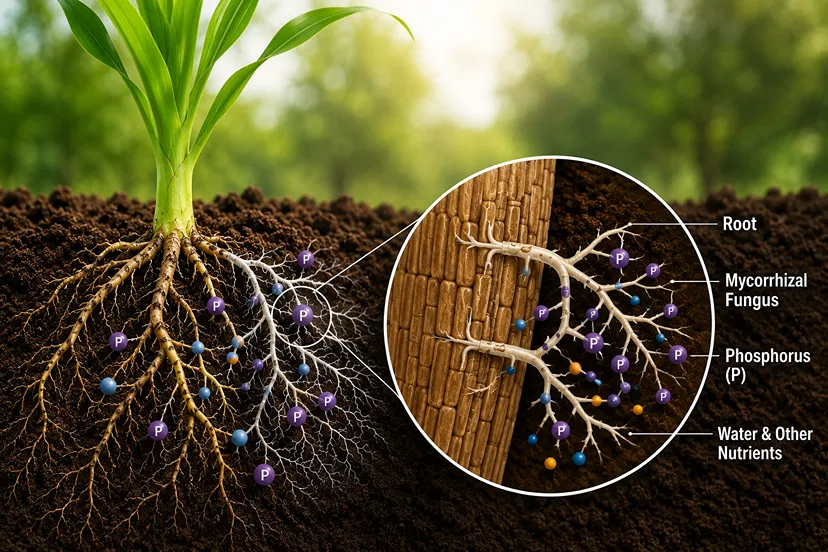
Mycorrhiza refers to a natural partnership between beneficial fungi and plant roots. Once applied, the fungi colonize the root zone and extend the plant’s ability to access water and nutrients from the soil. In return, the plant supplies the fungi with sugars produced through photosynthesis.
This symbiotic relationship is especially valuable during transplanting, when roots need immediate support to recover and grow. Mycorrhizal fungi are commonly available as powders, granules, or liquid products designed for direct root contact.
Why Apply Mycorrhiza at Transplanting?
Applying mycorrhiza at transplanting gives young plants a head start right when they need it most. The root system is just beginning to expand, and the fungi can quickly establish alongside it.
- Reduces transplant shock by helping roots recover faster
- Improves nutrient uptake, especially phosphorus and micronutrients
- Boosts water absorption during early establishment
- Supports root growth and overall plant vigor
- Enhances stress tolerance in heat, drought, or poor soil conditions
For gardeners and growers, that often means better survival rates, more consistent growth, and stronger plants over time.
When to Apply Mycorrhiza
The best time to apply mycorrhiza is during transplanting, when the roots can make direct contact with the inoculant. The fungi work best when placed as close to the root system as possible.
Apply it:
- Into the planting hole before setting the plant in place
- Directly on bare roots before transplanting
- On the root ball for container-grown plants
- As a coating or dust on seedlings during potting up
The goal is simple: make sure the mycorrhizal spores or propagules touch the roots. If they are left too far from the root zone, effectiveness drops significantly.
How to Apply Mycorrhiza at Transplanting
There are a few reliable ways to apply mycorrhiza, and the right method depends on the product form and the type of plant being transplanted.
1. Apply Directly to the Root Zone
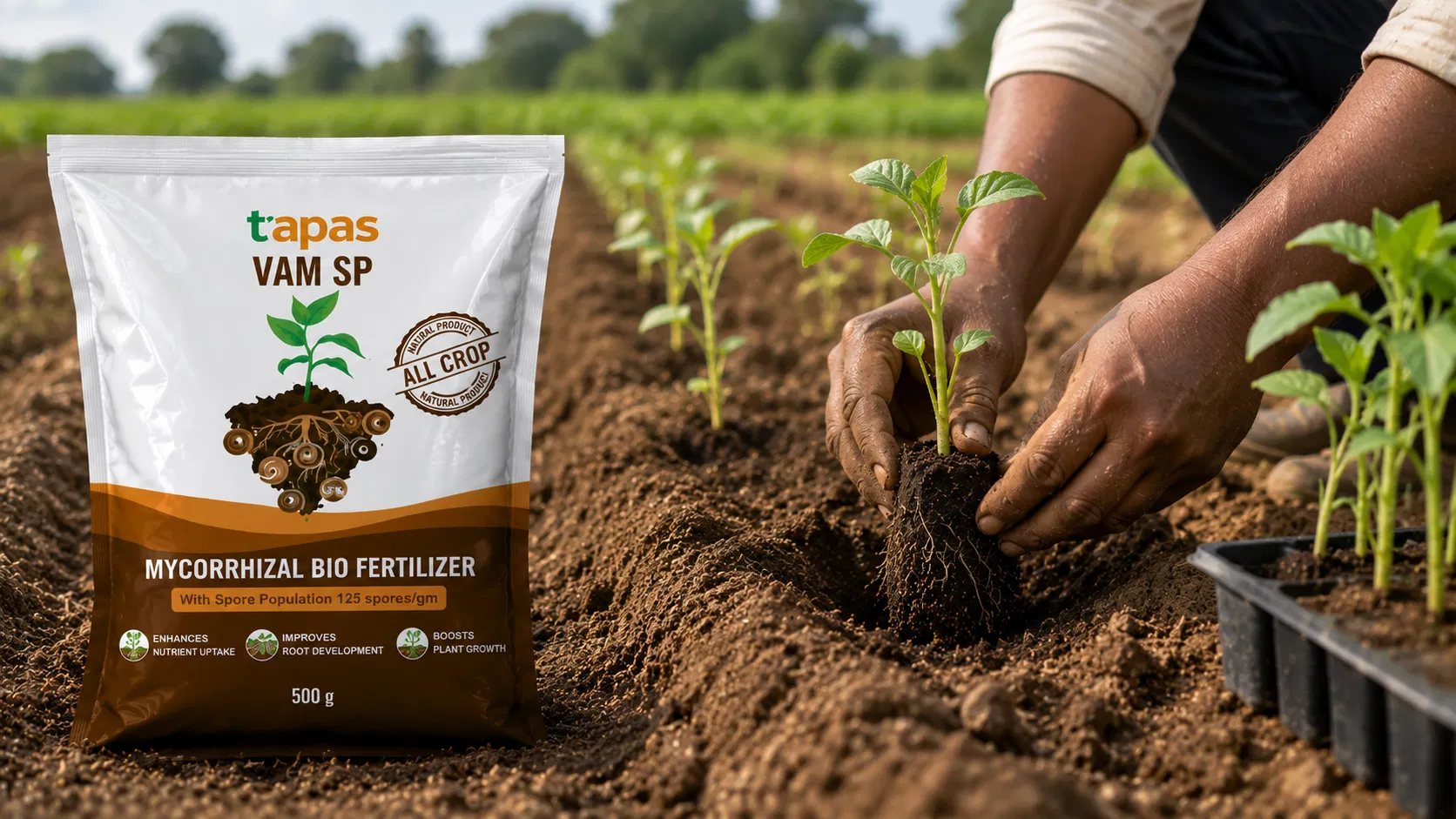
This is the most effective method for most transplants. Sprinkle the inoculant into the planting hole or dust it onto the roots before placing the plant in the soil.
- Dig the transplant hole to the correct size.
- Add a small amount of mycorrhizal inoculant at the bottom and sides of the hole.
- Set the plant in place so roots contact the product.
- Backfill gently and water thoroughly.
2. Coat the Roots Before Planting
For bare-root seedlings, trees, or shrubs, coating the roots is highly effective. Mix the powder with a small amount of water to create a slurry, or dust it directly onto moist roots.
This method helps ensure the fungi are positioned exactly where they can colonize quickly.
3. Use in Container or Plug Transplants
When transplanting seedlings from trays or pots, place the inoculant in the planting hole or around the root ball. This is especially useful for vegetables, annual flowers, and herbs.
If you are transplanting from a nursery container, gently loosen circling roots if needed, then apply mycorrhiza around the root mass before refilling the hole.
Best Practices for Successful Application
Mycorrhiza works best when conditions support root development and fungal activity. A few simple practices can improve results significantly.
- Use fresh inoculant and store it according to label instructions
- Ensure root contact for maximum colonization
- Water after transplanting to help activate the root zone
- Avoid overfertilizing, especially with high phosphorus fertilizers
- Minimize root disturbance during transplanting
- Follow product rates carefully for the crop and application type
One important note: excessive synthetic fertilizer can reduce the plant’s dependence on mycorrhizal fungi. A balanced soil program supports better colonization and long-term benefits.
Common Mistakes to Avoid
Even a good product can underperform if it is applied incorrectly. Avoid these common mistakes when using mycorrhiza at transplanting:
- Placing the inoculant too far from the roots
- Applying it to dry soil without watering afterward
- Using too much fertilizer too soon after transplanting
- Letting roots dry out before planting
- Assuming one application fixes poor soil structure or drainage
Tip: Mycorrhiza is not a replacement for healthy soil, but it is a powerful partner to it.
Which Plants Benefit Most?
Many transplants can benefit from mycorrhiza, but some plants respond especially well. These include:
- Tomatoes, peppers, and eggplants
- Leafy greens and brassicas
- Herbs such as basil, rosemary, and thyme
- Strawberries and other fruiting plants
- Ornamental flowers
- Shrubs, saplings, and young trees
Plants grown in poor, disturbed, or nutrient-limited soils often show the most noticeable response. Transplants in hot weather or dry conditions may also benefit more visibly from mycorrhizal support.
How Long Does It Take to Work?
Mycorrhiza does not act like a quick chemical booster. It works by establishing a biological relationship with the plant roots, and that takes time. In many cases, colonization begins within days to weeks, depending on soil conditions, moisture, temperature, and root growth.
The early benefits may show up as better establishment, fewer wilted transplants, and more vigorous new growth. Longer-term benefits often include improved nutrient efficiency and stronger tolerance to stress.
Final Thoughts
Applying mycorrhiza at transplanting is one of the simplest ways to support plant health from the start. By placing the inoculant directly in contact with the roots, you give your plants a better chance to recover quickly, grow stronger, and make the most of water and nutrients in the soil.
If you want better transplant success, healthier roots, and more resilient plants, make mycorrhiza part of your transplanting routine. The key is straightforward: place it close to the roots, water well, and avoid practices that interfere with fungal establishment. Start with healthy soil, apply it correctly, and let the plant-fungus partnership do the rest.