When hot, dry weather settles in, many gardeners and farmers notice the same frustrating pattern: plants begin to look stressed, leaves may curl or bronze, and tiny insects seem to multiply almost overnight. Those pests are often thrips. Understanding why thrips increase during dry weather is the first step toward protecting crops, gardens, and houseplants from serious damage.
Thrips thrive in warm, arid conditions because dry weather provides ideal conditions for rapid reproduction and aggressive feeding. If you have ever wondered why thrips seem worse during summer or drought, the answer lies in their biology, feeding habits, and the way moisture-stressed plants become easier targets.
Why Thrips Increase During Dry Weather
Thrips populations often rise sharply when humidity drops and temperatures increase. Dry weather creates an environment that favors faster reproduction, quicker development, and greater plant stress, allowing small infestations to become major outbreaks in a short period.
1. Dry Conditions Speed Up Thrips Life Cycles
Thrips develop rapidly in warm weather. Eggs hatch faster, larvae mature sooner, and adults reproduce more quickly when temperatures remain high. Shorter life cycles allow populations to build rapidly, especially during late spring and summer.
A few adults can produce large numbers of offspring before visible damage is even noticed.
2. Low Humidity Favors Thrips Survival
Thrips tolerate dry air better than many of their natural enemies. While some beneficial insects and fungal pathogens become less active under low humidity, thrips continue feeding and reproducing successfully.
This gives thrips a competitive advantage during prolonged dry weather.
3. Stressed Plants Become Easier Targets
During drought or prolonged dry conditions, plants conserve water by slowing growth and reducing normal physiological activity. Tender tissues become more susceptible to feeding injury, making them highly attractive to thrips.
Thrips commonly attack:
- New leaves and buds
- Flowers and petals
- Soft growing tips
- Young fruits
Water-stressed plants also recover more slowly from feeding damage.
4. Dry Weather Reduces Natural Predators
Predatory mites, lacewings, minute pirate bugs, and beneficial fungi naturally help suppress thrips populations. Extended dry weather can reduce the activity of many of these beneficial organisms, allowing thrips populations to expand with fewer natural controls.
How Thrips Damage Plants in Dry Weather
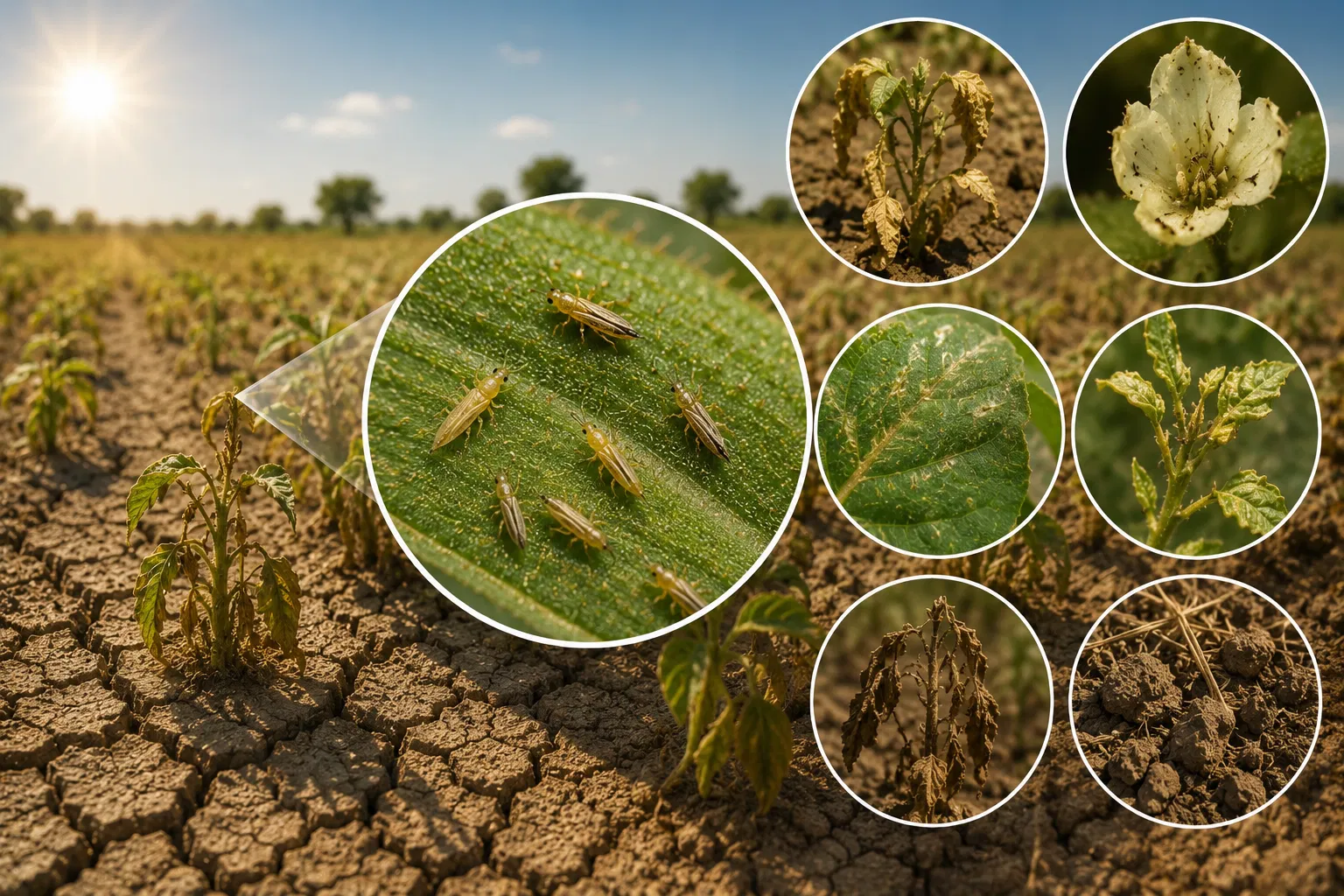
Thrips use rasping mouthparts to scrape plant cells and feed on their contents. Their feeding leaves distinctive symptoms that become even more noticeable on drought-stressed plants.
Common signs include:
- Silvery streaks or bronzed leaves
- Black specks of frass on leaves and flowers
- Curled, twisted, or distorted new growth
- Damaged flower buds
- Brown or scorched leaf margins
Because stressed plants struggle to replace damaged tissue, symptoms often become more severe during hot, dry weather.
Why Thrips Are More Noticeable in Summer
Warm temperatures accelerate thrips activity while dry conditions increase plant stress. Thrips often hide inside flower buds, folded leaves, and young shoots, allowing populations to build before obvious symptoms appear.
Key insight: Thrips become more abundant during dry weather because heat speeds up reproduction, low humidity favors survival, and moisture-stressed plants become easier to attack.
Plants Most Vulnerable to Thrips
Thrips feed on a wide range of plants, but tender ornamentals, vegetables, fruit crops, and greenhouse plants are often most severely affected.
- Roses
- Onions and garlic
- Tomatoes and peppers
- Beans
- Ornamental flowers
- Indoor plants with tender foliage
Any plant suffering from drought stress is generally more susceptible to thrips injury.
How to Reduce Thrips During Dry Weather
1. Maintain Proper Irrigation
Healthy, well-watered plants tolerate thrips feeding better than drought-stressed plants. Consistent irrigation reduces stress and supports vigorous growth.
2. Increase Humidity Where Practical
In protected cultivation or indoor environments, increasing humidity may reduce conditions favorable to thrips while improving plant health.
3. Inspect Plants Frequently
Regular scouting helps detect infestations before they become severe. Examine buds, young leaves, flowers, and leaf undersides carefully.
4. Remove Heavily Infested Plant Parts
Pruning damaged buds, flowers, and leaves helps reduce pest populations and slows further spread.
5. Monitor with Sticky Traps
Blue or yellow sticky traps provide a simple way to monitor adult thrips activity and determine when intervention may be necessary.
6. Protect Beneficial Insects
Conserving natural predators is one of the most sustainable approaches to long-term thrips management. Avoid unnecessary use of broad-spectrum insecticides whenever possible.
7. Apply Appropriate Insecticides When Required
When pest populations exceed economic thresholds, use registered insecticides according to the product label. Ensure thorough coverage of young growth and protected feeding sites while following resistance-management guidelines.
Preventing Future Thrips Outbreaks
Successful long-term management combines prevention with early monitoring.
- Monitor crops regularly during warm, dry weather.
- Maintain adequate soil moisture through proper irrigation.
- Remove weeds that may host thrips.
- Avoid excessive nitrogen fertilization that encourages tender growth.
- Encourage biodiversity to support beneficial insects.
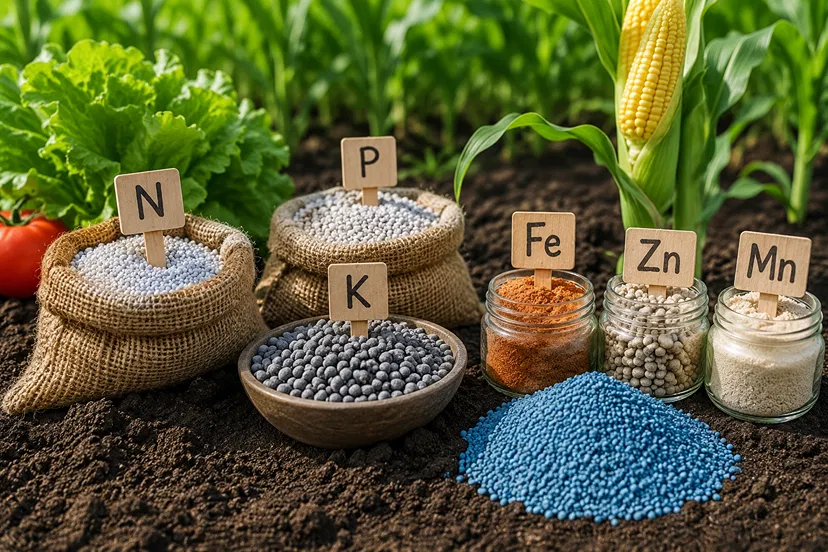
Combining good crop management with effective crop protection practices and balanced fertilizers helps plants remain healthier and more resilient against pest outbreaks.
Conclusion
Thrips increase during dry weather because high temperatures accelerate reproduction, low humidity improves survival, and drought-stressed plants become more vulnerable to feeding. Understanding these factors allows growers to take preventive action before infestations become severe.
By maintaining healthy crops, monitoring regularly, conserving beneficial insects, and applying appropriate control measures when necessary, growers can successfully reduce thrips damage and protect crop productivity throughout the growing season.