If you've heard the word Trichoderma or even seen it spelled Ticodarma, you may be wondering what it actually is. In simple terms, Trichoderma is a naturally occurring fungus that plays a major role in soil health, plant growth, and biological control. It is widely used in agriculture, gardening, and organic farming because of its ability to support strong roots and help protect plants from harmful pathogens.
Whether you are a gardener, farmer, or just curious about soil biology, understanding Trichoderma can help you make smarter decisions about plant care. This guide explains what Trichoderma is, how it works, and why it has become such an important part of modern crop management.
What Is Trichoderma?
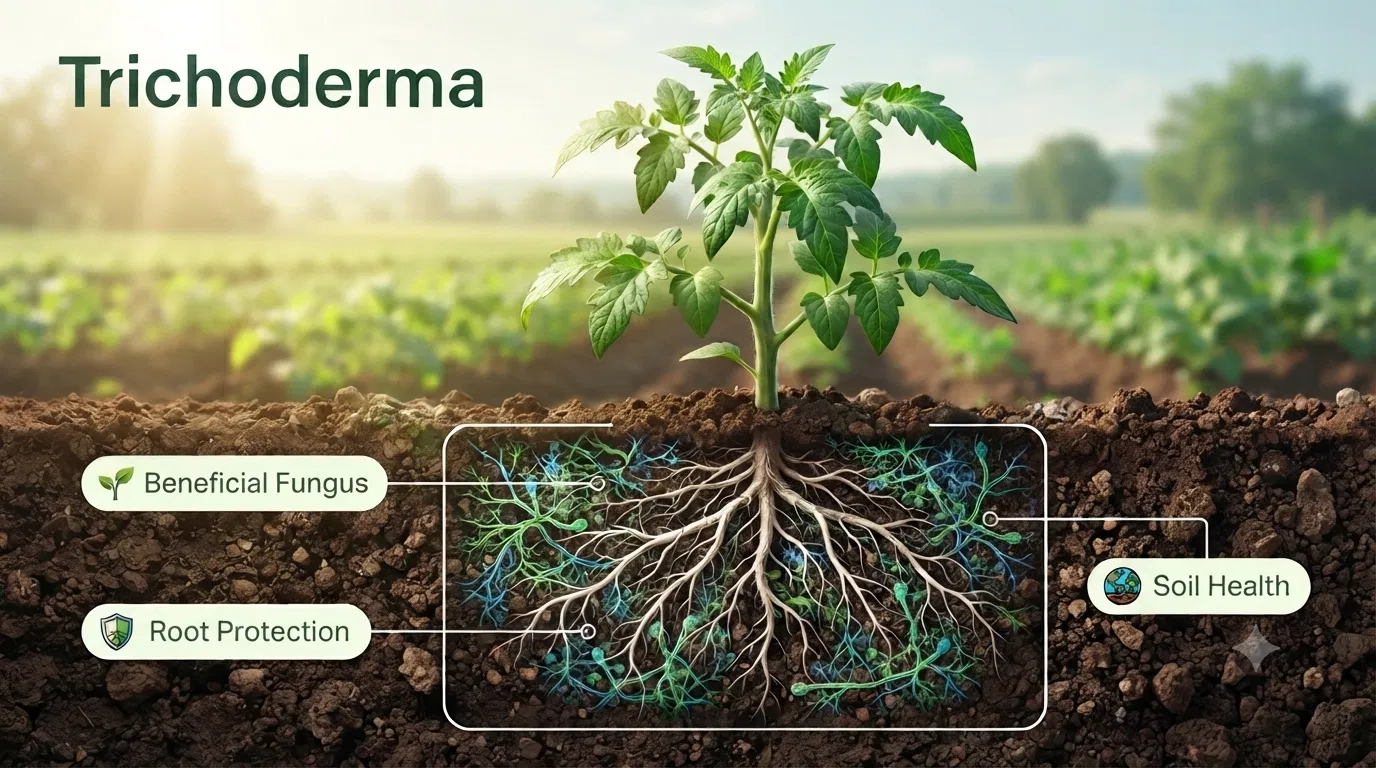
Trichoderma is a genus of beneficial fungi found naturally in soil, compost, and decaying plant material. These fungi are known for their fast growth and their ability to colonize the root zone of plants. Instead of harming crops, Trichoderma often helps them by improving nutrient availability and suppressing disease-causing fungi.
Trichoderma species are commonly used as biocontrol agents, meaning they help control plant diseases through natural biological processes rather than synthetic chemicals. That is one reason they are popular in sustainable and organic farming systems.
Why Is Trichoderma Important?
Trichoderma matters because it supports healthier soil and stronger plants. It works in the root zone, where many plant problems begin. By occupying this space, it can limit the growth of harmful organisms and create a more balanced environment for roots.
Here are some of the main benefits of Trichoderma:
- Improves root development and overall plant vigor
- Helps suppress soil-borne diseases
- Enhances nutrient uptake
- Supports seed germination in some crops
- Promotes healthier soil biology
Because of these benefits, Trichoderma is often included in biofertilizers, compost treatments, seed coatings, and soil inoculants.
How Does Trichoderma Work?
Trichoderma uses several natural strategies to support plant health. It does not act like a chemical pesticide; instead, it works by interacting with the soil environment and other fungi around it.
1. Competition
Trichoderma grows quickly and competes for space and nutrients in the root zone. When it establishes itself first, harmful fungi may find it harder to spread.
2. Mycoparasitism
Some Trichoderma species can directly attack other fungi. They attach to harmful fungal cells, break them down, and use them as a food source. This natural antagonism helps reduce disease pressure in the soil.
3. Antibiosis
Trichoderma can produce compounds that inhibit the growth of certain plant pathogens. These natural metabolites help create an environment that is less favorable to disease-causing organisms.
4. Plant Growth Stimulation
Trichoderma may also stimulate plant defense systems and encourage stronger root growth. In many cases, this leads to better nutrient absorption and improved resilience against stress.
Trichoderma is best known as a beneficial soil fungus that helps plants grow stronger while naturally reducing some disease problems.
Where Is Trichoderma Found?
Trichoderma is found in many natural environments, especially where organic matter is breaking down. It thrives in:
- Healthy garden soil
- Compost piles
- Plant residue
- Forest floor litter
- Rhizosphere soil around plant roots
The rhizosphere is the zone of soil directly surrounding roots. This is where Trichoderma is especially active, because root exudates provide food and support for microbial life.
Is Trichoderma Good or Bad?
For plants and soil health, Trichoderma is generally considered good. It is one of the most useful fungi in agriculture because it often benefits crops without causing disease. However, not all fungi in the Trichoderma genus behave the same way in every setting, so effectiveness can vary depending on the species, crop, soil conditions, and application method.
It is also important to use reliable products if you are applying Trichoderma commercially. Quality, strain selection, and proper storage all matter when trying to get consistent results.
Common Uses of Trichoderma
Trichoderma has many practical uses in farming and gardening. Some of the most common include:
- Seed treatment to help protect young seedlings
- Soil application to improve the root zone environment
- Compost enrichment for better microbial activity
- Root dipping before transplanting
- Organic crop protection as part of integrated pest management
These uses make Trichoderma a practical tool for growers who want to reduce chemical dependence while still supporting plant productivity.
Trichoderma in Organic Farming
One reason Trichoderma has become so popular is its fit with organic farming. Growers who want environmentally friendly solutions often look for biological inputs that support plant health without leaving harmful residues. Trichoderma fits that need well.
In organic systems, it is often used alongside compost, biofertilizers, mulch, and good crop rotation practices. It is not a magic fix, but it can be a valuable part of a broader soil health strategy.
How to Use Trichoderma
Using Trichoderma correctly is important if you want the best results. Products may come in powder, granule, or liquid form, and the application method depends on the crop and product label.
General best practices include:
- Apply to moist soil for better establishment
- Avoid mixing with harsh chemical fungicides unless the label allows it
- Store products in cool, dry conditions
- Use fresh, high-quality formulations
- Follow the recommended dosage carefully
Because Trichoderma is a living organism, handling matters. Extreme heat, direct sunlight, and incompatible chemicals can reduce its effectiveness.
Trichoderma vs. Chemical Fungicides
Trichoderma is often compared with chemical fungicides, but they work very differently. Chemical fungicides usually target pathogens directly and can provide quick control. Trichoderma, on the other hand, works through biological competition, natural antagonism, and plant support.
That means Trichoderma is often better suited for preventive use and long-term soil health, while chemical products may be used in emergency situations. Many growers combine multiple approaches through integrated pest management for the best results.
Final Thoughts
So, what is Trichoderma? It is a beneficial fungus that supports plants, improves soil health, and helps reduce certain fungal diseases in a natural way. Sometimes spelled Ticodarma, it is becoming an essential tool for gardeners and farmers who want healthier crops and more sustainable growing methods.
If you are looking to strengthen roots, improve soil biology, and support plant resilience, Trichoderma is worth learning about and using correctly. Start with a trusted product, follow proper application guidelines, and make it part of a broader plant health routine for the best results.