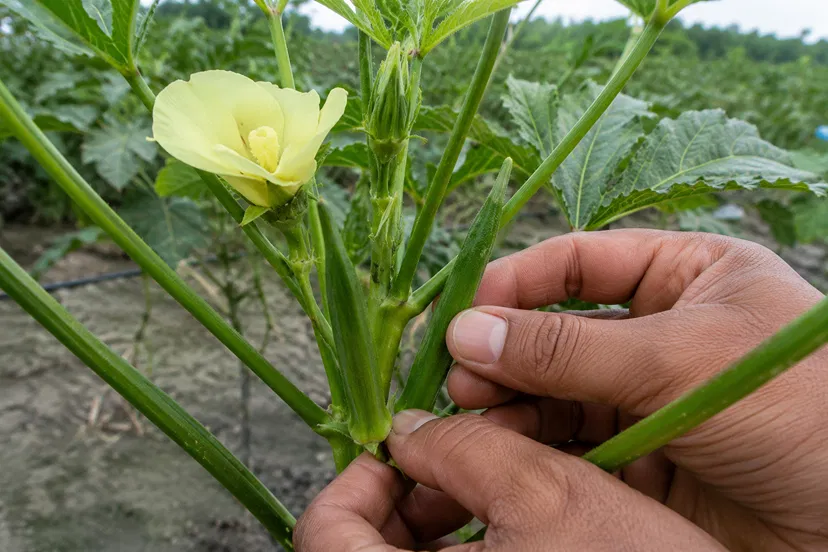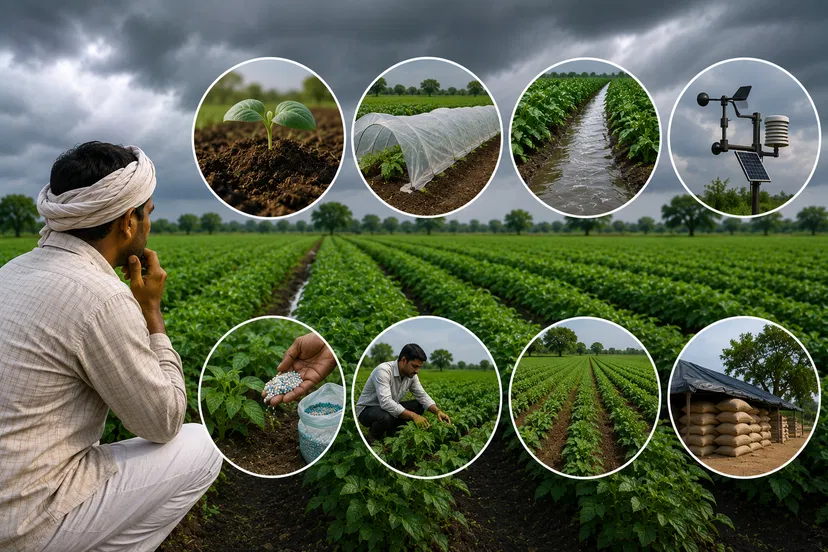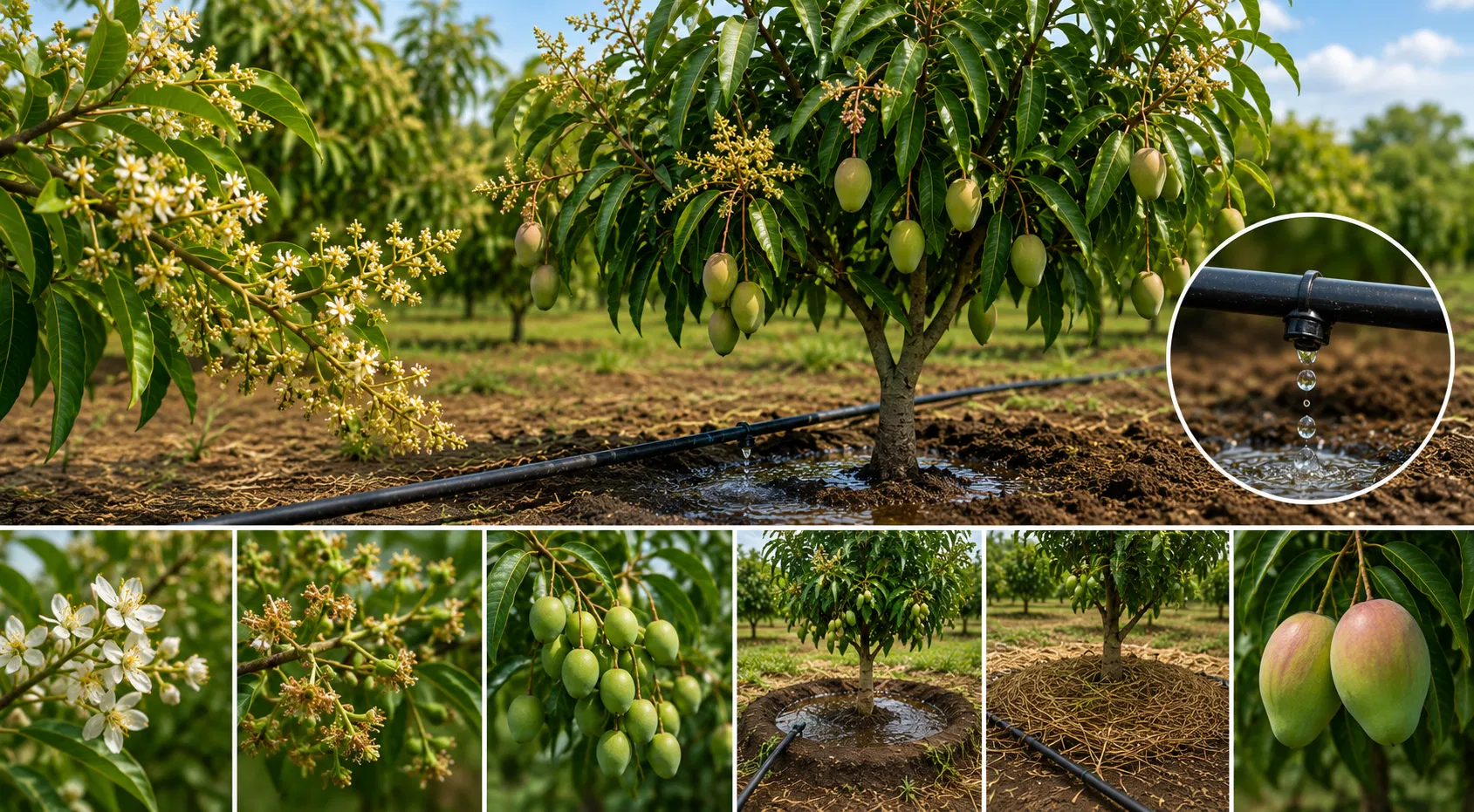
Flowering and fruit set are among the most critical stages in fruit production. During this period, every irrigation decision influences flower retention, pollination, fruit development, and final yield. Too little water can lead to blossom drop and poor fruit set, while excessive irrigation may reduce root oxygen, increase disease pressure, and lower nutrient uptake. Effective water management in fruit crops during flowering and fruit set helps maintain steady crop growth and improves fruit quality.
Rather than applying more water, growers should focus on maintaining consistent soil moisture that supports healthy roots and minimizes plant stress. Smart irrigation scheduling, soil moisture monitoring, and weather-based decisions are essential for maximizing productivity.
Why Water Management Matters During Flowering and Fruit Set
Flowering and fruit setting are highly sensitive growth stages. Moisture stress can reduce pollen viability, interfere with fertilization, and increase flower or fruit drop. Even short periods of drought may significantly reduce yields in crops such as mango, citrus, grapes, pomegranate, guava, and apple.
Proper irrigation during this stage helps:
- Improve flower retention.
- Support successful pollination and fertilization.
- Reduce blossom and fruit drop.
- Maintain healthy cell expansion.
- Improve nutrient uptake.
- Increase fruit size and marketable yield.
Maintaining stable soil moisture is more beneficial than alternating between drought and excessive irrigation.
How Water Stress Affects Fruit Crops
Water shortages during flowering reduce pollen germination, limit pollen tube growth, and increase flower abortion. During fruit set, young fruits require continuous moisture to remain attached to the plant.
Excess irrigation creates equally serious problems by restricting root respiration, encouraging fungal diseases, and reducing nutrient absorption.
The objective is to maintain moist—but never waterlogged—soil throughout the active root zone.
Factors That Influence Water Requirements
Water demand varies according to:
- Crop species and variety.
- Temperature and humidity.
- Wind speed.
- Soil texture.
- Tree age and canopy size.
- Root depth.
- Mulching practices.
Irrigation schedules should therefore be based on crop stage, soil moisture, and weather forecasts rather than fixed calendar intervals.
Best Irrigation Methods for Fruit Crops
1. Drip Irrigation
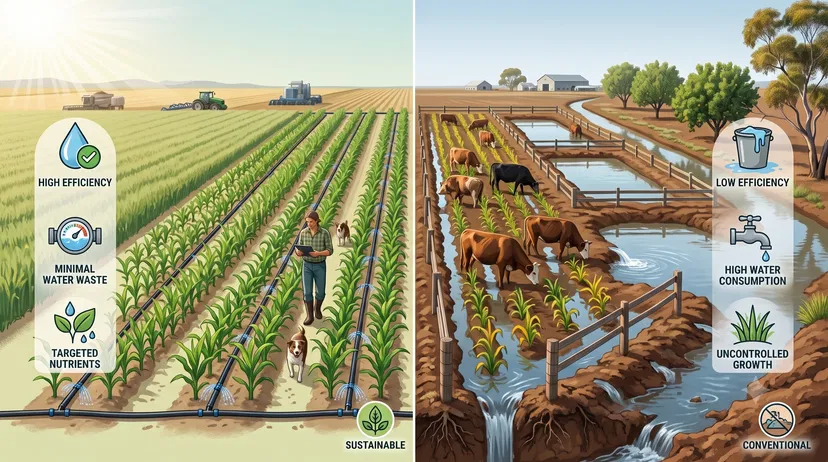
Drip irrigation delivers water directly to the root zone with excellent efficiency. It minimizes evaporation losses, improves water-use efficiency, and maintains consistent soil moisture throughout flowering and fruit set.
2. Micro-Sprinklers
Micro-sprinklers provide wider soil coverage and are useful for orchards with larger root zones. Careful scheduling is necessary to avoid excessive soil moisture.
3. Basin and Furrow Irrigation
Traditional irrigation methods remain common but require careful management to prevent uneven water distribution and waterlogging.
Scheduling Irrigation During Flowering and Fruit Set
Successful irrigation scheduling focuses on maintaining adequate moisture without saturating the soil.
- Irrigate before severe moisture stress develops.
- Avoid excessive irrigation during full bloom.
- Maintain uniform moisture during fruit set.
- Use lighter, more frequent irrigation during hot weather.
- Reduce irrigation only when rainfall adequately meets crop water requirements.
Monitoring soil moisture at root depth provides far more reliable information than judging moisture by the soil surface alone.
Recognizing Poor Water Management
Symptoms of Water Deficit
- Flower drop.
- Poor fruit set.
- Leaf wilting.
- Small fruitlets.
- Leaf curling.
- Reduced fruit retention.
Symptoms of Excess Water
- Yellowing leaves.
- Poor root activity.
- Fungal disease development.
- Root rot symptoms.
- Reduced soil oxygen.
Where disease pressure increases due to prolonged wet conditions, timely application of suitable fungicides may help manage fungal infections as part of an integrated crop management strategy.
The Importance of Mulching
Mulching improves water conservation by reducing evaporation, moderating soil temperature, improving soil structure, and supporting beneficial microbial activity.
Common mulch materials include:
- Crop residues.
- Straw.
- Dry leaves.
- Compost.
- Organic orchard waste.
Balancing Irrigation and Plant Nutrition
Water and nutrient availability are closely connected. Dry soils reduce nutrient uptake, while excessive irrigation may leach valuable nutrients below the active root zone.
Proper irrigation improves the efficiency of fertilizers, particularly nutrients such as potassium, calcium, boron, and nitrogen that support flowering and fruit development.
Practical Water Management Tips
- Monitor soil moisture regularly.
- Prefer drip irrigation where feasible.
- Irrigate during cooler parts of the day.
- Avoid alternating between severe drought and heavy irrigation.
- Apply mulch to conserve soil moisture.
- Use weather forecasts to adjust irrigation schedules.
- Adjust irrigation according to crop load and canopy size.
Integrated Orchard Management
Successful fruit production combines efficient irrigation, balanced nutrition, regular monitoring, and effective crop protection. Together, these practices help reduce stress during flowering and fruit set while improving fruit quality and yield.
Conclusion
Water management during flowering and fruit set plays a vital role in determining final fruit yield and quality. Maintaining consistent soil moisture, selecting efficient irrigation methods, conserving soil moisture through mulching, and integrating balanced nutrition all contribute to healthier fruit crops.
Rather than applying more water, growers should focus on providing the right amount at the right time. Careful irrigation management during these sensitive growth stages helps maximize fruit retention, improve crop health, and achieve higher yields.