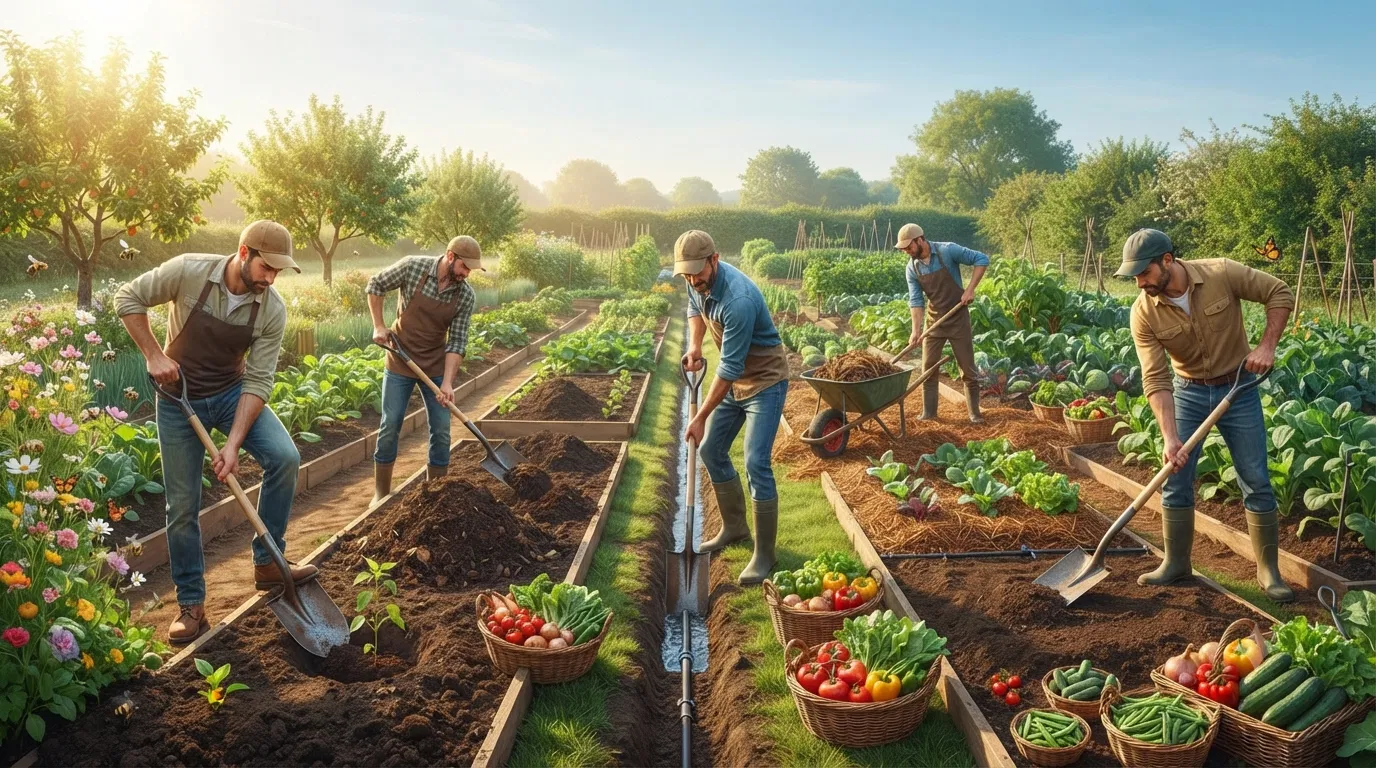
Not all shovels are built the same, and in farming, the right one can save time, reduce strain, and make every task more efficient. From moving soil and compost to digging furrows and transplanting crops, different types of shovels serve different roles on the farm. Choosing the right shovel for the job is a simple way to work smarter, not harder.
Whether you manage a large farm, tend a homestead, or maintain a productive garden, understanding the main types of shovels and their farming uses can help you choose the best tool for each task. Below, we break down the most useful shovel types, what they are designed for, and how they support everyday farm work.
Why the Right Shovel Matters on the Farm
A shovel is more than just a digging tool. In farming, it can be used for soil preparation, moving mulch, cleaning animal stalls, creating planting holes, and more. The shape of the blade, the length of the handle, and the edge design all affect performance.
Using the correct shovel improves productivity and helps prevent unnecessary wear on your body and your tools. A pointed shovel works best in tough ground, while a scoop shovel is better for lifting loose material. Matching the shovel to the task is key to efficient farm work.
1. Round-Point Shovel
The round-point shovel is one of the most versatile tools on a farm. It has a pointed blade that helps break into soil, clay, and compacted ground with less effort than a flat blade.
Common farming uses
- Digging planting holes
- Breaking up compacted soil
- Transplanting small shrubs or seedlings
- Trenching for irrigation lines
This is often the go-to shovel for general digging tasks. If you only own one shovel for farm use, a round-point model is usually the most practical starting point.
2. Square-Point Shovel
The square-point shovel has a flat, squared blade that is ideal for scooping, lifting, and moving loose materials. It is not designed for penetrating hard soil as easily as a pointed shovel, but it excels at cleanup and transport tasks.
Common farming uses
- Moving compost
- Loading soil into wheelbarrows
- Spreading gravel or sand
- Cleaning up barn aisles and work areas
Farmers and homesteaders often use square-point shovels when handling dry, loose, or previously disturbed materials. The broad blade makes it efficient for scooping and transferring large amounts quickly.
3. Drain Spade
A drain spade is a long, narrow shovel with a rounded or pointed tip. Its slim blade is designed for digging deep, narrow trenches with minimal soil disturbance.
Common farming uses
- Installing drainage pipes
- Digging irrigation trenches
- Creating root channels for planting
- Working around existing plants
This shovel is especially useful when precision matters. It allows you to dig deeper in tight spaces without disturbing surrounding crops or beds too much. On farms where water management is essential, the drain spade can be a valuable tool.
4. Scoop Shovel
The scoop shovel has a large, deep blade designed for lifting and carrying lightweight, loose materials. It is often made from metal or plastic and can move high volumes efficiently.
Common farming uses
- Moving grain or feed
- Handling mulch
- Loading compost
- Transferring snow or dry bedding material
This shovel is not meant for digging into hard ground, but it is excellent for bulk handling. On farms with livestock, scoop shovels are especially helpful for moving bedding, feed, and manure-related materials.
5. Trenching Shovel
The trenching shovel is built for narrow, deep trenches. Its blade is long and slender, making it ideal for precise digging in rows or along boundaries.
Common farming uses
- Digging irrigation trenches
- Installing fencing posts
- Creating channels for water runoff
- Setting up underground lines
For farms that depend on well-planned irrigation or drainage systems, a trenching shovel helps create consistent channels with clean sides and minimal extra digging.
6. Garden Shovel
Although often used in smaller growing spaces, the garden shovel is highly useful on farms for light-duty digging and transplanting. It usually has a shorter handle and a smaller blade than a standard farm shovel.
Common farming uses
- Transplanting seedlings
- Digging in raised beds
- Removing weeds with roots
- Working in tight planting areas
This shovel offers better control for delicate work. It is especially useful in herb gardens, market gardens, and nursery operations where precision matters more than raw digging power.
7. Post Hole Shovel
A post hole shovel is designed specifically for digging narrow holes for fence posts, trellises, and support structures. It typically has two blades that help remove soil from deep, narrow spaces.
Common farming uses
- Installing fence posts
- Setting vineyard supports
- Building livestock enclosures
- Installing stakes for tall crops
Farmers who maintain fences, orchards, or climbing crops often rely on this shovel to create uniform holes with less side-wall collapse.
8. Flat Shovel or Edging Shovel
The flat shovel, sometimes used as an edging tool, is ideal for cutting clean lines in soil, turf, or bed borders. Its straight edge makes it effective for shaping and maintaining farm spaces.
Common farming uses
- Defining garden bed edges
- Cutting sod
- Cleaning up paths
- Maintaining field boundaries
When neat rows and organized growing areas matter, a flat shovel helps maintain structure and make plots easier to manage.
How to Choose the Best Shovel for Farming
Choosing the right shovel depends on your common tasks, soil type, and physical comfort. Here are a few simple guidelines to help you decide.
- For digging in hard soil: Choose a round-point shovel.
- For moving loose material: Choose a square-point or scoop shovel.
- For trenches and irrigation: Choose a drain spade or trenching shovel.
- For fence posts and deep narrow holes: Choose a post hole shovel.
- For light planting work: Choose a garden shovel.
It is also worth considering handle length and grip comfort. Longer handles provide more leverage, while shorter handles offer better control. If you use shovels often, look for durable materials and ergonomic designs that reduce fatigue.
Shovel Maintenance Tips for Farm Use
Even the best shovel will wear down without proper care. Regular maintenance keeps your tools reliable and helps them last longer.
- Clean off soil after each use.
- Dry the blade to prevent rust.
- Sharpen the edge when needed.
- Check handles for cracks or loose fittings.
- Store shovels in a dry, protected area.
Well-maintained shovels are safer and more effective. A clean, sharp tool requires less effort and performs better in demanding farm conditions.
Final Thoughts on Types of Shovels and Their Farming Uses
Understanding the types of shovels and their farming uses helps you choose the right tool for every task, from digging and trenching to lifting and cleanup. The round-point shovel, square-point shovel, drain spade, scoop shovel, trenching shovel, garden shovel, post hole shovel, and flat shovel all serve unique purposes on the farm.
The best shovel is the one that matches the job, the soil, and the way you work.
If you want to improve efficiency on the farm, start by evaluating your most common tasks and building a shovel collection that fits your needs. The right shovel does more than move dirt—it makes farm work faster, easier, and more productive.