If your plants are struggling to develop strong roots, produce healthy flowers, or set fruit properly, the problem may be phosphorus deficiency. One of the most effective ways to correct that is by using Triple Super Phosphate (TSP), a concentrated phosphorus fertilizer trusted by farmers and gardeners alike. Understanding the uses and application of TSP can help you improve soil fertility, support early plant growth, and increase overall crop productivity.
What Is Triple Super Phosphate (TSP)?
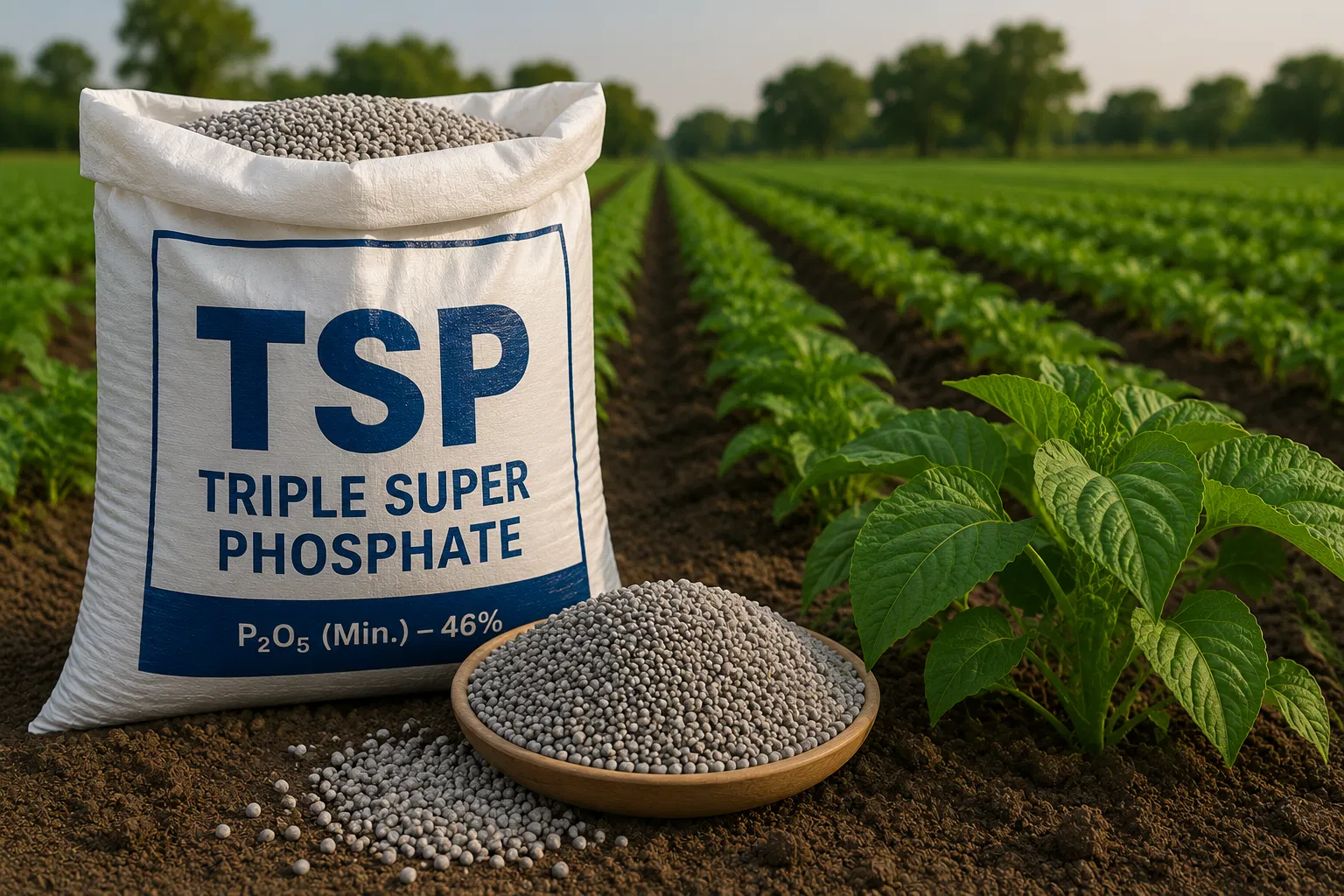
Triple Super Phosphate is a granular phosphorus fertilizer made to provide plants with a highly available source of phosphorus. It is typically produced by treating phosphate rock with phosphoric acid, which results in a fertilizer with a much higher phosphorus content than ordinary superphosphate.
TSP is valued because it contains a concentrated amount of phosphorus with little else added, making it a strong choice when soil tests show phosphorus deficiency. It is commonly used in agriculture, horticulture, lawns, and home gardens.
Why Phosphorus Matters for Plant Growth
Phosphorus plays a major role in plant development. It is essential for root formation, energy transfer, flowering, seed production, and early crop establishment. Plants need it most during the early stages of growth, when roots are developing and the crop is building a strong foundation.
Healthy phosphorus levels help plants grow faster, establish stronger roots, and produce better yields.
When phosphorus is lacking, plants may show slow growth, weak roots, dark green or purplish leaves, and poor flowering or fruiting. TSP helps address these issues efficiently when applied correctly.
Main Uses of Triple Super Phosphate
Triple Super Phosphate is used in many different growing situations. Its versatility makes it one of the most useful phosphorus fertilizers available.
1. Supporting Root Development
One of the most important uses of TSP is to promote strong root growth. This is especially important for newly planted crops, transplants, and seedlings. Better root systems allow plants to absorb water and nutrients more effectively.
2. Boosting Flowering and Fruiting
Phosphorus is closely linked to reproductive growth. TSP can help improve flower formation, fruit set, and seed production in crops that depend on strong flowering stages.
3. Improving Crop Establishment
Applying TSP at planting time gives crops an early nutrient advantage. This helps seedlings establish quickly and compete better with weeds and environmental stress.
4. Correcting Phosphorus Deficiency
When soil tests reveal low phosphorus, TSP is often used as a direct correction. Because it is highly concentrated, it can efficiently raise phosphorus levels in the root zone.
5. Fertilizing a Wide Range of Crops
TSP is used for cereals, vegetables, fruit trees, legumes, oilseeds, pasture grasses, and ornamental plants. It is especially useful where phosphorus is needed without adding too much nitrogen or potassium.
Benefits of Using TSP Fertilizer
Triple Super Phosphate offers several practical benefits for growers looking for reliable phosphorus nutrition.
- High phosphorus content: Provides a concentrated nutrient source for plants.
- Fast nutrient availability: Supplies phosphorus in a form plants can absorb relatively quickly.
- Improves early growth: Encourages strong seedlings and transplant establishment.
- Supports flowering and yield: Helps with flower, fruit, and seed production.
- Easy to apply: Can be broadcast, banded, or used in planting holes depending on the crop.
Because TSP is straightforward and highly efficient, it is often chosen when growers want a precise phosphorus fertilizer without extra nutrients.
How to Apply Triple Super Phosphate
Correct application matters just as much as the fertilizer itself. Applying TSP the right way helps plants benefit fully while reducing waste.
1. Test the Soil First
Before applying any fertilizer, soil testing is the best first step. A test shows how much phosphorus is already present and helps determine the correct application rate. This prevents overuse and ensures better nutrient management.
2. Apply at Planting Time
TSP is often most effective when placed near seeds or roots at planting. This is because young plants need phosphorus early. In many cases, band placement is more efficient than broadcasting because it places nutrients closer to the root zone.
3. Use Band Placement for Efficiency
Band placement means applying the fertilizer in a narrow strip near the seed row or planting line. This improves nutrient uptake and reduces phosphorus fixation in some soils. It is especially useful for row crops and vegetables.
4. Broadcast for Larger Areas
For pasture, lawns, or field crops, broadcasting may be the preferred method. The fertilizer is spread across the soil surface and then incorporated when possible. This method works well when a larger area needs phosphorus replenishment.
5. Avoid Direct Seed Contact
Even though TSP is useful, placing it directly with seed can sometimes cause damage if used in excess. Keep fertilizer slightly away from the seed to prevent injury while still making nutrients accessible.
Recommended Best Practices for Using TSP
To get the best results from Triple Super Phosphate, it helps to follow a few simple best practices.
- Use soil test results to guide application rates.
- Apply during planting or early growth stages.
- Place fertilizer where roots can access it easily.
- Combine with balanced nutrient management.
- Store fertilizer in a cool, dry place to prevent caking.
These steps help ensure that TSP delivers consistent results and supports healthier plant development.
Soil Conditions That Affect TSP Performance
Soil type and pH can influence how well phosphorus fertilizers work. In acidic or alkaline soils, phosphorus may become less available if it binds to soil particles. That is why placement and soil management are important.
In many cases, TSP works best when:
- The soil is low in available phosphorus
- Fertilizer is placed near the root zone
- Soil moisture supports nutrient movement
- pH levels are managed appropriately for the crop
If your soil has a phosphorus tie-up problem, proper placement becomes even more important than high application rates.
Safety and Handling Tips
Triple Super Phosphate is generally easy to handle, but basic precautions are still important. Wear gloves if you are applying large amounts, avoid inhaling dust, and keep fertilizer away from children and pets. Wash your hands after use and store the product in a sealed container.
Also, avoid excessive application. More fertilizer does not always mean better results. Overuse can waste money and may contribute to nutrient runoff.
Triple Super Phosphate vs. Other Phosphorus Fertilizers
Compared with single superphosphate, TSP contains a higher percentage of phosphorus and no added sulfur in significant amounts. This makes it a good choice when phosphorus is the main concern. Compared with complex fertilizers, TSP is more specialized and easier to use when only phosphorus needs to be corrected.
If your crop also needs nitrogen or potassium, TSP may be used alongside other fertilizers as part of a broader nutrient program.
Conclusion
Triple Super Phosphate is a powerful and practical phosphorus fertilizer that supports root growth, flowering, fruiting, and early crop establishment. When applied based on soil test results and placed correctly in the soil, TSP can make a noticeable difference in plant performance and yield.
If you want stronger plants and better harvests, start with proper soil testing, apply TSP at the right time, and use it as part of a balanced fertilization plan. The right phosphorus strategy can help your crops grow with greater strength from the very beginning.