Healthy soil is the foundation of healthy plants, and one of the most effective natural allies in building that foundation is Trichoderma. This beneficial fungus is widely used in modern agriculture, gardening, and organic farming because it helps improve soil health, supports stronger roots, and protects plants from harmful pathogens. If you want better crop performance with less dependence on chemicals, Trichoderma offers a powerful biological solution.
What Is Trichoderma?
Trichoderma is a genus of beneficial fungi found naturally in soil, compost, and plant root zones. Unlike harmful fungi that cause disease, Trichoderma works as a plant-friendly microorganism that helps maintain balance in the rhizosphere, the area around plant roots.
These fungi colonize root surfaces quickly, compete with harmful pathogens, and promote better nutrient uptake. Because of these qualities, Trichoderma is often used as a biofertilizer, biocontrol agent, and soil enhancer in sustainable farming systems.
Key Benefits of Trichoderma for Soil Health
1. Improves Soil Microbial Balance
Soil is alive with microorganisms, and not all of them are beneficial. Trichoderma helps create a healthier microbial environment by increasing the population of helpful fungi and suppressing disease-causing organisms. This improves overall soil biology and supports long-term fertility.
2. Enhances Organic Matter Breakdown
Trichoderma plays a role in decomposing organic residues such as crop waste, compost, and plant debris. By accelerating the breakdown of organic matter, it helps release nutrients back into the soil more efficiently. This makes nutrients more available to plants and improves soil structure over time.
3. Boosts Nutrient Availability
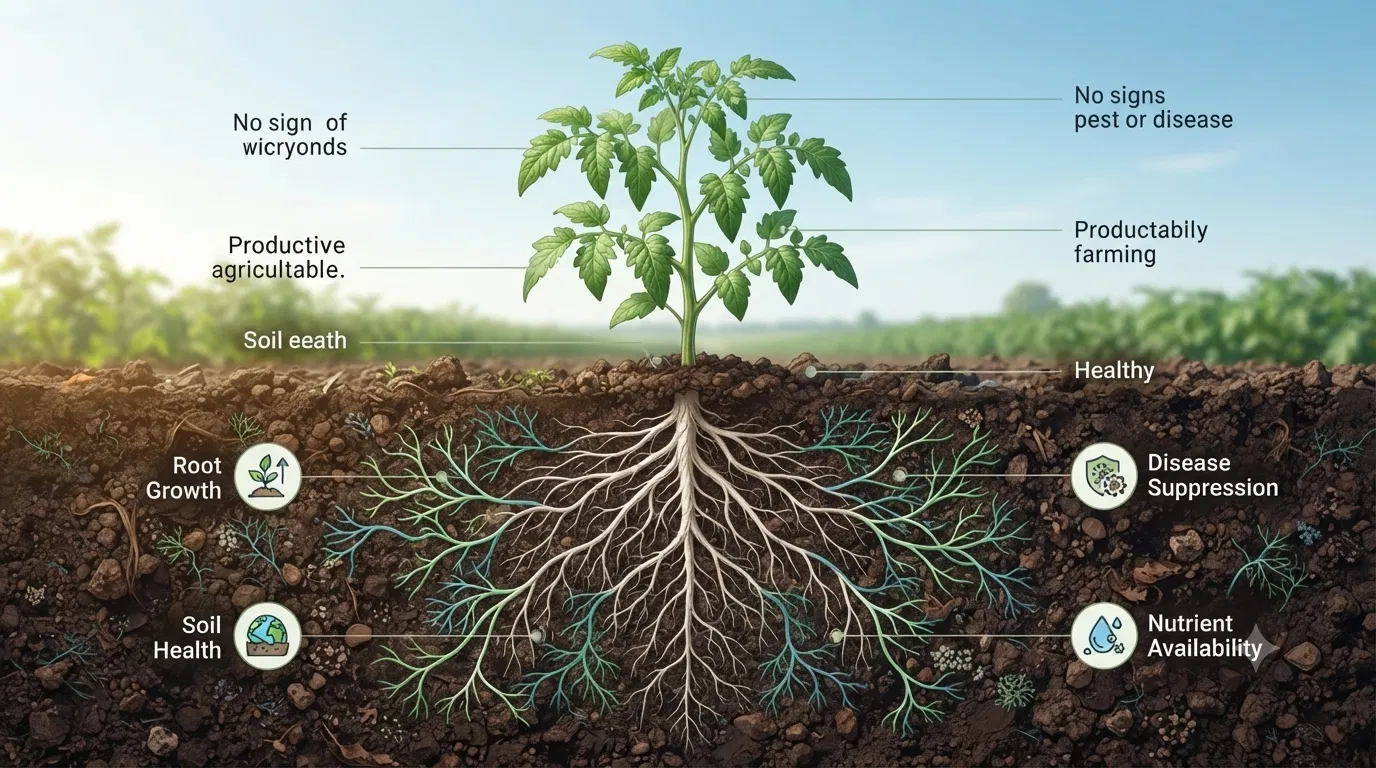
One of the biggest benefits of Trichoderma for soil and plant health is its ability to make nutrients easier for plants to absorb. It helps unlock essential elements like nitrogen, phosphorus, and micronutrients that may otherwise remain tied up in the soil. As a result, plants grow more vigorously and efficiently.
4. Improves Soil Structure
Healthy fungal activity contributes to better soil aggregation, which means soil particles bind together in a way that improves aeration and water retention. This leads to stronger root development, better drainage, and reduced soil compaction.
Trichoderma does not just protect plants; it helps build a living soil system that supports growth from the ground up.
Benefits of Trichoderma for Plant Health
1. Promotes Strong Root Growth
Roots are the engine of plant growth, and Trichoderma helps roots grow deeper and stronger. It colonizes the root zone and stimulates root branching, increasing the plant's ability to absorb water and nutrients. This is especially valuable during early growth stages and transplanting.
2. Protects Against Soil-Borne Diseases
Trichoderma is best known for its biocontrol abilities. It helps suppress harmful fungi such as Fusarium, Rhizoctonia, Pythium, and Sclerotium by competing for space and nutrients, producing antifungal compounds, and attacking pathogen structures directly. This natural protection reduces disease pressure and supports healthier crops.
3. Reduces Plant Stress
Plants often face stress from drought, heat, salinity, and poor soil conditions. Trichoderma helps plants tolerate stress better by improving root efficiency and activating natural defense responses. Healthier plants are more resilient and better able to recover from environmental challenges.
4. Supports Better Germination and Seedling Vigor
When seeds and young seedlings are treated with Trichoderma, they often show improved germination, faster establishment, and more uniform growth. This gives plants a stronger start and lowers the risk of early-stage disease losses.
5. Encourages Higher Yield Potential
By improving nutrient uptake, root development, disease resistance, and overall plant vitality, Trichoderma can contribute to better yield performance. In many crops, stronger plant health translates into improved flowering, fruiting, and harvest quality.
How Trichoderma Works
Trichoderma benefits plants through several natural mechanisms:
- Competition: It competes with harmful fungi for space and food in the root zone.
- Mycoparasitism: It attacks and breaks down the cell walls of pathogenic fungi.
- Antibiosis: It produces natural compounds that inhibit disease-causing microbes.
- Root colonization: It establishes itself around roots and helps protect them continuously.
- Induced resistance: It activates a plant's internal defense system, making it harder for pathogens to cause damage.
These combined actions make Trichoderma a highly effective biological tool for improving plant health without relying heavily on synthetic inputs.
Best Ways to Use Trichoderma
Trichoderma can be applied in several ways depending on the crop and growing system. Common application methods include:
- Seed treatment: Coating seeds before planting helps protect early growth.
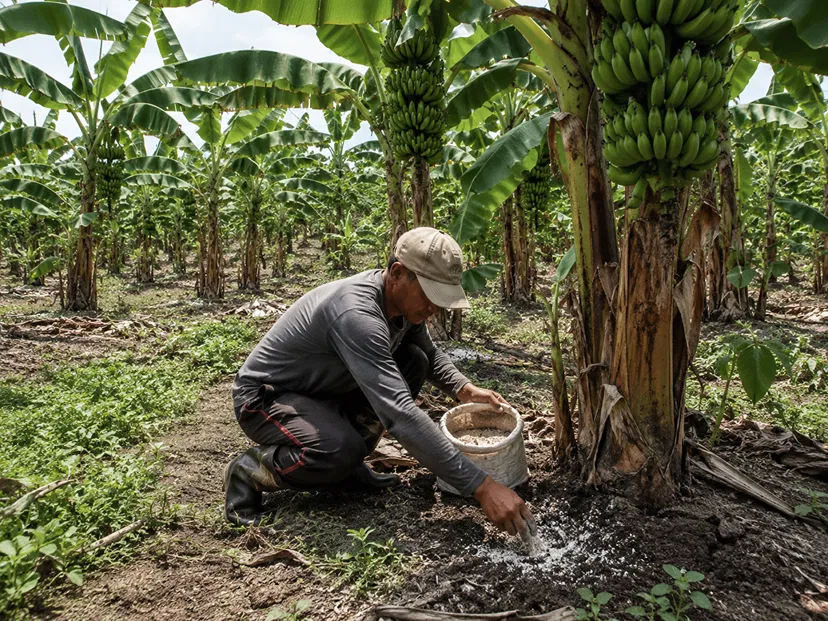
- Soil application: Mixing with compost or soil helps build beneficial microbial activity in the root zone.
- Root dip: Dipping seedlings before transplanting supports strong establishment.
- Drip irrigation: Applying through irrigation systems can distribute it efficiently in fields and gardens.
- Compost enrichment: Adding Trichoderma to compost can enhance its biological quality.
For best results, Trichoderma should be used according to product instructions and applied in conditions that favor microbial activity, such as moist soil and moderate temperatures.
Why Trichoderma Is Important for Sustainable Agriculture
As farmers and gardeners look for ways to improve productivity while reducing environmental impact, Trichoderma stands out as a practical and sustainable option. It supports soil regeneration, reduces reliance on chemical fungicides, and promotes healthier crops through natural biological processes.
This makes it especially valuable in organic farming, integrated pest management, and regenerative agriculture. By strengthening the soil ecosystem, Trichoderma helps create a more balanced and productive growing environment.
Common Crops That Benefit from Trichoderma
Trichoderma can be useful for a wide range of crops, including:
- Vegetables such as tomato, chili, cucumber, and leafy greens
- Fruit crops such as banana, citrus, grape, and strawberry
- Field crops such as maize, wheat, rice, and pulses
- Plantation crops such as tea, coffee, and sugarcane
- Ornamental plants and nursery seedlings
Its broad usefulness makes it a versatile addition to both home gardens and commercial farming operations.
Conclusion
Trichoderma offers a natural and highly effective way to improve soil and plant health. From boosting nutrient availability and strengthening roots to suppressing harmful pathogens and increasing plant resilience, its benefits are both immediate and long-term. For growers who want healthier soil and stronger crops, Trichoderma is more than just a biofungicide — it is a soil-building, plant-supporting ally.
If you want better growth, fewer diseases, and more sustainable results, consider making Trichoderma part of your soil management strategy today.