Boron Deficiency in Chilli: Signs, Damage and Right Spray Time
Chilli plants that flower heavily but drop many of the flowers, or that produce curled, yellowing leaves and uneven fruits, may be short of boron. It is needed in very small amounts, yet it plays a big part in flowering and fruit set, and the gap between too little and too much is narrow. Spotting the signs early and spraying at the right stage can help protect the crop without risking damage from overdosing.
Why Boron Matters for Chilli
Boron supports cell division, the movement of sugars within the plant and the development of pollen. Pollen germination and pollen tube growth are both sensitive to boron, which is why a shortage tends to hit flowering and fruit set harder than leaf growth. Extension sources note that peppers generally need more boron during flowering than earlier in the season, and that fruit crops may respond to boron sprays even where no deficiency symptoms are visible.
Symptoms of Boron Deficiency in Chilli
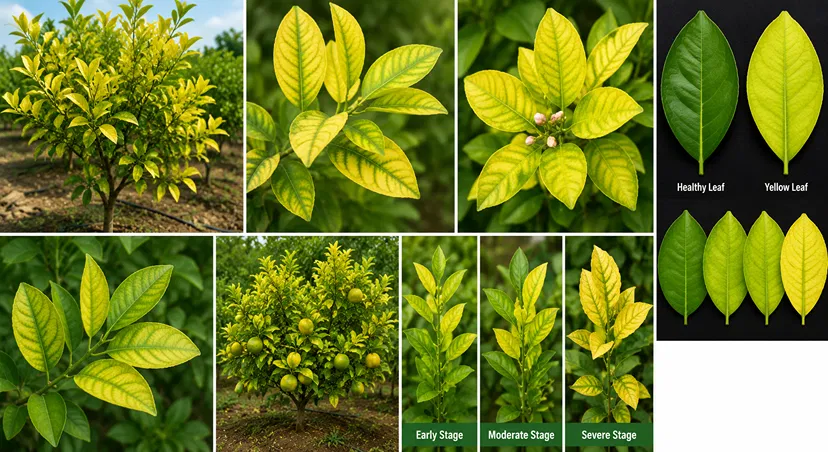
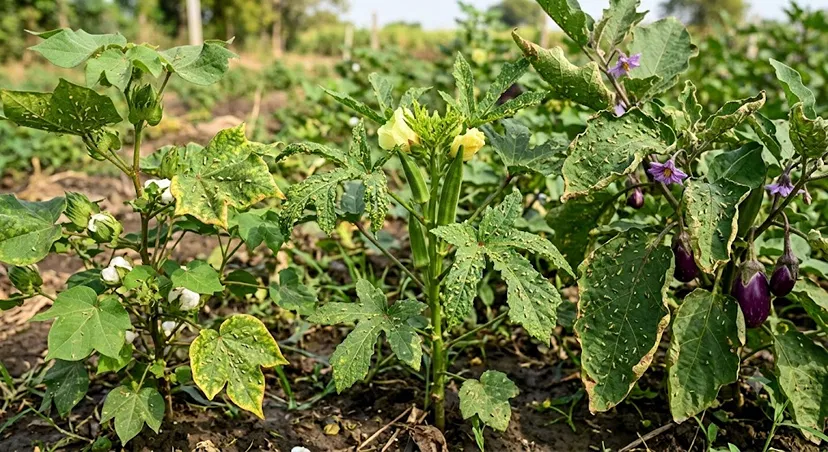
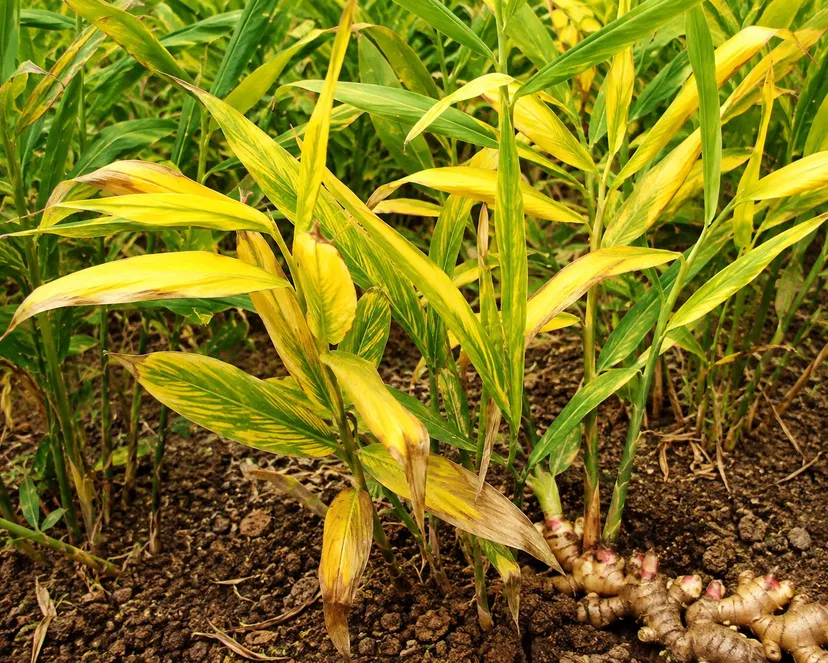
Yellowing, loss of colour and cupping or curling of the leaves
Thick, brittle leaves and shortened distance between the nodes
Stunted, bushy growth at the tips, and death of the growing point in severe cases
Flower and bud drop, with poor fruit set despite heavy flowering
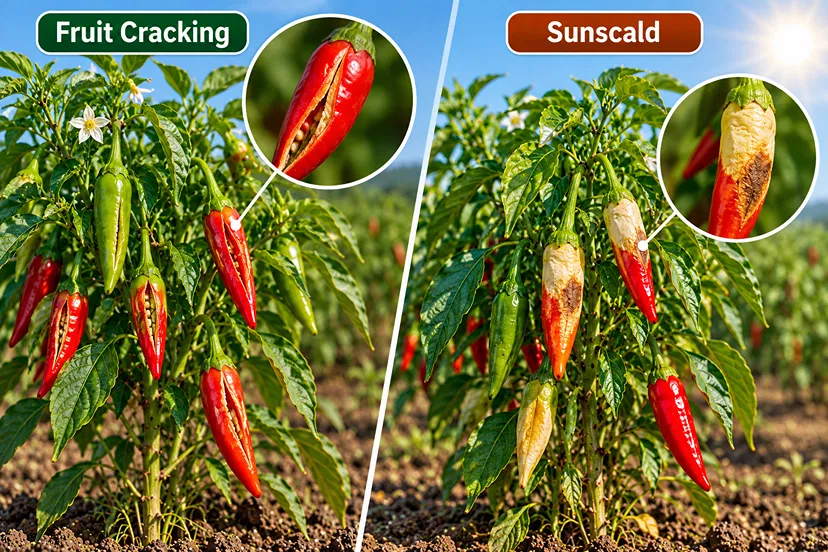
Small, misshapen or cracked fruits, and uneven ripening
Poorly developed roots
Damage Caused by Boron Deficiency
Fewer fruits: poor pollen function and flower drop can reduce the number of fruits that set
Lower quality: uneven maturity and distorted fruits may reduce the share of marketable chilli, and can affect colour and texture
Weaker plants: poor root and shoot development may leave the crop less able to cope with stress
Calcium-related problems: boron works closely with calcium in the cell wall, so a shortage may add to fruit disorders
Causes of Boron Deficiency in Chilli
Sandy, light soils: boron leaches easily and may be lost in heavy rain or irrigation
Alkaline soils or excess lime: high pH may reduce boron availability to the roots
Drought or dry topsoil: boron moves to the roots with soil water, so dry spells may limit uptake
Cold, wet weather: slow root activity may restrict absorption
Low organic matter: soils poor in organic matter often hold less boron
High potassium or calcium inputs: heavy application of these nutrients may add to the imbalance
Right Spray Time for Boron in Chilli
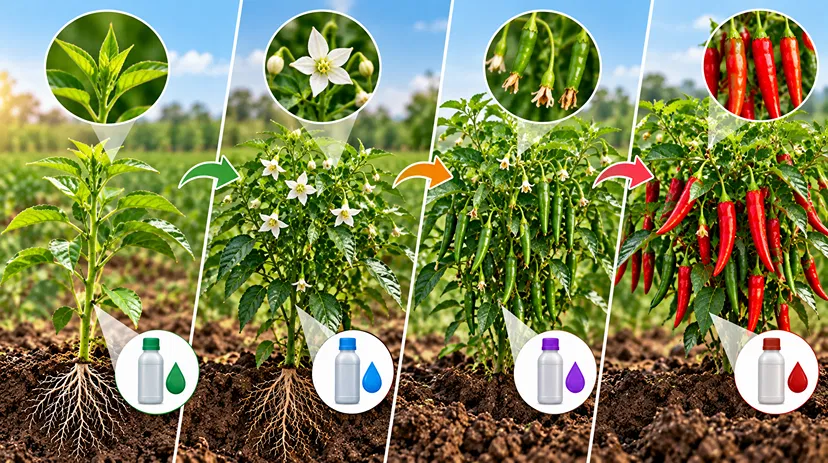
1. Before flowering and at early flowering
This is generally the most important window. Boron is needed for pollen formation and fertilisation, so a foliar spray just before or at the start of flowering may help make sure the plant has enough when demand peaks.
2. At fruit set
A second spray after fruit set may help where flower drop has been a problem, provided the label allows repeat applications.
3. Early growth through the soil
Where a soil test shows low boron, a small basal application early in the crop may support root establishment.
4. Spray at the cooler time of day
Early morning or late evening sprays may reduce the risk of leaf burn, and covering both leaf surfaces helps absorption.
Management Tips
Confirm the problem with a soil or leaf tissue test before applying, since similar symptoms can come from disease, viruses, heat stress or other nutrient shortages
Keep the dose within the label rate. Excess boron may cause yellowing and burning of leaf tips and margins, and can harm the crop
Keep soil moisture steady, because dry soil may limit boron uptake
Add organic matter to improve boron holding in light soils
Avoid tank mixing with products that may clash with it unless the labels allow it, and do a small trial first
Product Recommendation
If a soil or leaf test points to low boron, the products below may help.
Solubor Micronutrient Fertilizer
S-BOR 20%
Conclusion
Boron deficiency in chilli generally shows up as flower drop, curled leaves and misshapen fruits, and the damage tends to be greatest around flowering. A soil or tissue test, a foliar spray just before or at early flowering, and careful attention to the label dose can often protect fruit set while avoiding overdose. Local agronomist advice can help match the programme to the soil and season.
Disclaimer: Always confirm current label registration, approved dosage, water volume, and pre-harvest interval (PHI) for your state before using any product - labels are periodically revised by regulatory authorities.
This guide is a general advisory. Do your own research and verification before using any product. Always confirm suitability for your crop stage, region, and field conditions before making any purchase, spray, or crop-management decision.