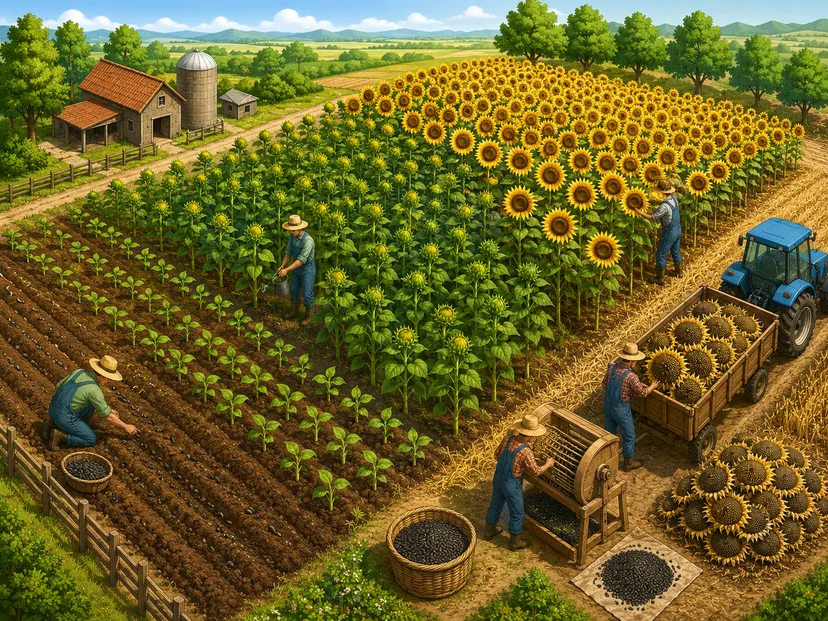
Sunflower cultivation is gaining attention among farmers looking for a profitable oilseed crop with strong market demand, manageable production costs, and versatile end uses. With its bright blooms and valuable seeds, sunflower is more than just an attractive plant—it is a smart agricultural choice for oil extraction, bird feed, snacks, and edible seed production. When grown with proper planning and good agronomic practices, sunflower can deliver steady returns and fit well into crop rotation systems.
For growers seeking a reliable cash crop, sunflower stands out because it adapts to different climates, requires relatively less water than some other oilseed crops, and has a wide market for both seed and oil. Whether you are a commercial farmer or exploring diversification, understanding the essentials of sunflower farming can help you maximize yield and profitability.
Why Sunflower Is a Profitable Oilseed Crop
Sunflower is widely recognized as one of the most valuable oilseed crops in the world. Its seeds contain high-quality edible oil with strong consumer demand, making it a preferred choice for processors and buyers. The crop also offers farmers flexibility because the seeds can be sold for oil extraction, direct consumption, or value-added products.
Here are a few reasons sunflower cultivation is considered profitable:
- High market demand: Sunflower oil is popular for cooking and food processing.
- Multiple revenue streams: Seeds can be sold for oil, snacks, or feed.
- Lower water requirement: Sunflower is relatively drought-tolerant compared with some crops.
- Crop rotation benefits: It helps break pest and disease cycles in farming systems.
- Good adaptability: It grows well in a variety of soil and climate conditions.
Because of these advantages, sunflower farming can improve farm income while supporting sustainable agricultural planning.
Ideal Climate and Soil for Sunflower Cultivation
Sunflower performs best in warm, sunny conditions with moderate rainfall. It is a short-duration crop that can fit into many farming calendars, making it suitable for both rainfed and irrigated areas.
Climate Requirements
- Temperature range: 20°C to 30°C is ideal for growth.
- Sunlight: Full sun is essential for healthy flowering and seed formation.
- Rainfall: Moderate rainfall is suitable, but waterlogging should be avoided.
Soil Requirements
Well-drained loamy soil with good fertility is best for sunflower. The crop can tolerate a range of soil types, but heavy clay or poorly drained soils can reduce yield. A soil pH between 6.0 and 7.5 is generally ideal.
Tip: Conduct a soil test before planting to determine nutrient status and lime or fertilizer needs.
Choosing the Right Sunflower Variety
Selecting the right variety is one of the most important steps in sunflower cultivation. The variety should match your local climate, disease pressure, and market demand. Farmers often choose varieties based on maturity duration, oil content, and resistance to pests and diseases.
When selecting a sunflower variety, look for:
- High oil content
- Good yield potential
- Disease resistance
- Uniform maturity
- Adaptation to local growing conditions
Hybrid varieties often produce higher yields and better uniformity, although seed cost may be higher. Open-pollinated varieties can also be profitable in low-input systems.
Land Preparation and Sowing
Proper land preparation helps create a favorable seedbed for strong germination and root development. Sunflower seeds require good soil contact and adequate moisture for successful establishment.
Steps for Land Preparation
- Clear the field of weeds, debris, and leftover crop residue.
- Plough or till the soil to a fine tilth.
- Level the field to ensure uniform moisture distribution.
- Incorporate compost or well-decomposed manure if available.
Sowing Method
Sunflower can be sown directly into the field. Planting depth should generally be around 2.5 to 5 cm, depending on soil moisture. Seeds should be spaced properly to reduce competition and encourage strong head development.
Recommended spacing is usually:
- Row spacing: 45 to 60 cm
- Plant spacing: 20 to 30 cm
Timely sowing is important because delayed planting may expose the crop to heat stress, pest pressure, or reduced pollination success.
Fertilizer and Nutrient Management
Sunflower needs balanced nutrition to produce large heads and filled seeds. Nitrogen, phosphorus, potassium, and micronutrients all play an important role in crop development. However, excessive nitrogen can encourage leafy growth at the expense of seed production.
A balanced fertilization plan should be based on soil test results. In general, sunflower benefits from:
- Nitrogen: Supports vegetative growth and seed filling
- Phosphorus: Helps root development and flowering
- Potassium: Improves water regulation and seed quality
- Boron: Important for flower formation and seed set
Healthy nutrition leads to healthier heads, better seed filling, and stronger oil content.
Split application of nitrogen is often recommended, while phosphorus and potassium are usually applied during planting or land preparation.
Irrigation and Water Management
Although sunflower is fairly drought-tolerant, timely irrigation can greatly improve yield, especially during critical growth stages. Water stress during flowering and seed filling can reduce seed size and oil percentage.
The most important stages for moisture are:
- Germination
- Bud formation
- Flowering
- Seed filling
Avoid overwatering, since sunflower roots are sensitive to waterlogging. If irrigation is available, apply water at key stages rather than frequent shallow watering.
Pest and Disease Management
Like any field crop, sunflower can be affected by pests and diseases. Monitoring the crop regularly helps prevent serious losses. Good field hygiene, resistant varieties, and balanced nutrition are essential parts of integrated pest management.
Common Pests
- Aphids
- Head borers
- Cutworms
- Whiteflies
Common Diseases
- Downy mildew
- Rust
- Powdery mildew
- Alternaria leaf spot
Control measures may include crop rotation, removal of infected plant material, proper spacing, and approved plant protection products where necessary. Early action is always more effective than late treatment.
Pollination and Head Development
Sunflower depends heavily on pollination for good seed set. Bees and other pollinators play a major role in improving seed formation and overall yield. Farmers can encourage pollinator activity by avoiding unnecessary spraying during flowering and maintaining a healthy field environment.
Strong head development depends on uniform plant growth, balanced nutrition, and adequate moisture. Heads should mature evenly, with seeds filling from the outer edge toward the center.
Harvesting and Post-Harvest Handling
Harvesting at the right time ensures better seed quality and lower losses. Sunflower is ready for harvest when the back of the head turns yellow to brown, the bracts begin to dry, and the seeds are firm with reduced moisture content.
Harvesting Steps
- Cut the mature heads carefully.
- Dry them further in a clean, ventilated area.
- Thresh the seeds gently to avoid damage.
- Clean and sort the seeds before storage or sale.
Proper drying is essential because excess moisture can lead to fungal growth and reduced oil quality. Store sunflower seeds in cool, dry conditions in clean containers or bags.
Profitability of Sunflower Farming
Sunflower farming can be highly profitable when managed well. Returns depend on seed yield, oil content, input costs, labor, and market price. Compared with some other crops, sunflower offers a good balance of lower production risk and market value.
Profit increases when farmers focus on:
- Using certified high-yield seeds
- Following correct agronomic practices
- Reducing pest and disease losses
- Harvesting at the right time
- Selling through reliable buyers or processors
In addition to direct seed sales, farmers may benefit from contract farming, local oil mills, or cooperative marketing. Value addition can significantly improve margins.
Best Practices for Better Yield
To maximize sunflower yield and profit, keep these best practices in mind:
- Choose a suitable variety for your region.
- Prepare the land thoroughly before sowing.
- Maintain proper spacing for healthy plant development.
- Apply balanced fertilizers based on soil testing.
- Protect the crop from pests, diseases, and weeds.
- Ensure adequate moisture during flowering and seed filling.
- Harvest promptly and dry seeds properly.
Conclusion
Sunflower cultivation is a smart choice for farmers seeking a profitable oilseed crop with strong commercial potential. Its adaptability, manageable input needs, and wide market demand make it an excellent option for both small and large-scale growers. With the right variety, proper field management, and timely harvesting, sunflower can deliver impressive returns while supporting sustainable farming systems.
If you are looking to diversify your farm income, sunflower farming deserves serious consideration. Start with good planning, follow best practices, and focus on quality from planting to post-harvest handling. The result can be a productive crop and a more profitable season.